Growing Up Without a Father
Interview By Brandi Fleck
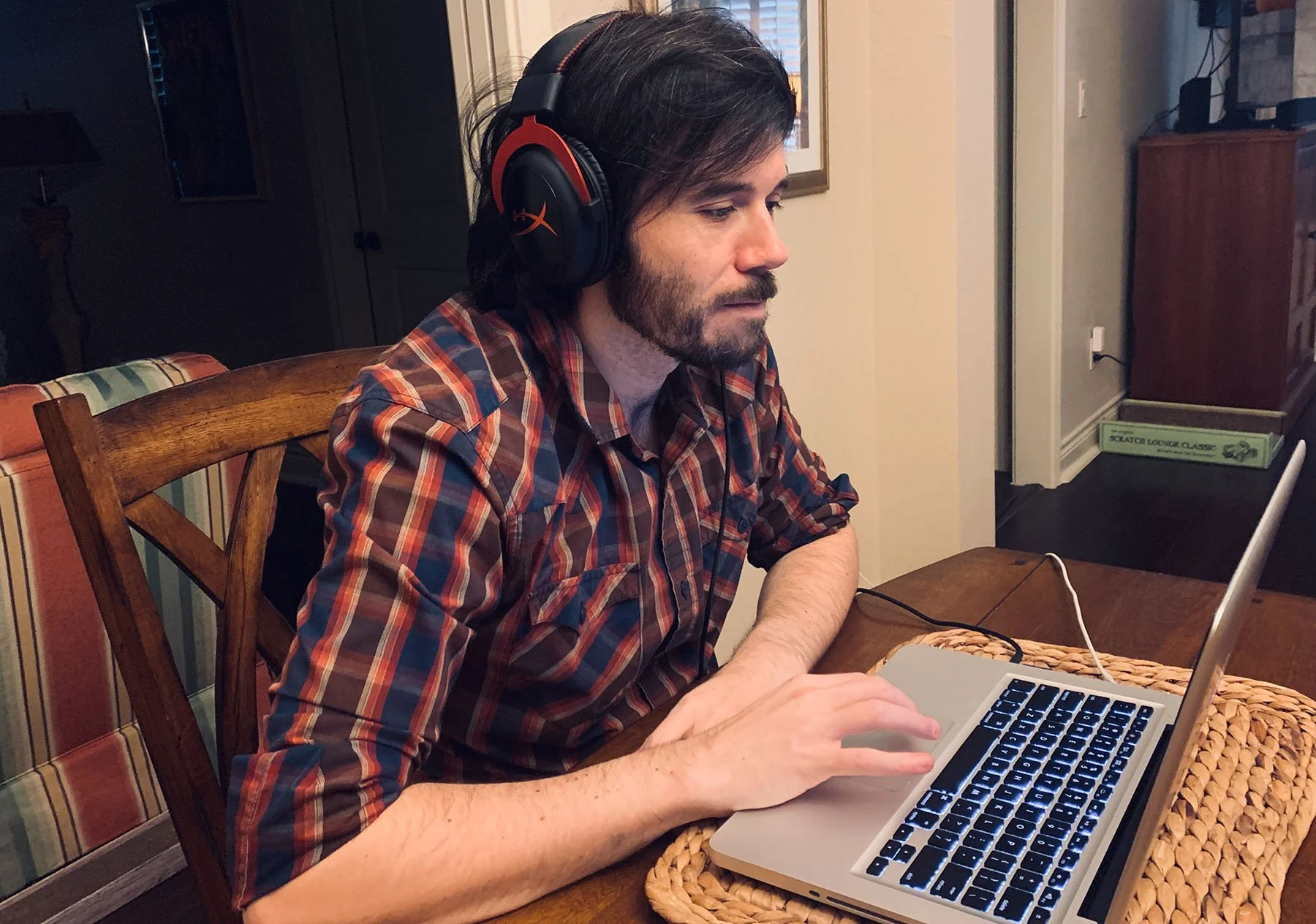
Mal Foster shares how growing up without a father shaped his self-worth, relationships, mental health, and ultimately his path toward healing.
Children are remarkably good at filling in the blanks.
When a parent leaves, the explanation isn't always clear, but the story a child tells themselves about that absence can linger for decades.
For Mal Foster, growing up without a father shaped everything from his sense of self-worth to the way he approached relationships, health, and personal growth.
His story offers a thoughtful look at how childhood experiences continue to influence adulthood, and what it takes to stop carrying responsibilities that were never yours to begin with.
Listen to Mal Foster’s Interview
Watch Mal Foster’s Interview
What Children Need Most From a Parent
Mal Foster: So yeah, my name is Mal Foster. Me and my dad, incidents of disappointment, this dangerous pathway of self-comparison. I fell into a pattern of being comfortable with my discomfort, but now, as cliché as it may sound, I've learned to love myself a bit more.
The chapter in this book is well and truly finished.
Brandi Fleck: If a large part of being human involves an importance on relationships because we so deeply need connection to thrive, what happens when one of the most important relationships in a human life is purposefully absent?
In this episode, Mal Foster shows us the answer to this question by so eloquently and clearly connecting the dots in his own life and journey with abandonment. He shows us how the initial trauma event evolves and plays out in negative cycles, as well as how to turn those patterns around and love yourself.
On the surface, this episode is about dealing with complex parental relationships and the far-reaching impact they have, but underneath, we really dig deep into what it looks like to choose self-destruction when your self-worth is tied to the love, or lack of love, you receive from a parent, especially when you equate love and caring with being present.
Then we explore the turning point when Mal realized he could keep going down the path of self-destruction or he could choose to start healing mentally and physically.
So many times in our society, we consider things that come up, such as health issues or events that happen to us, for example, to all be separate entities, ignoring how one stepping stone leads to another, essentially cause and effect, because the bigger picture isn't always immediately clear as life unfolds in front of us.
When we look back with hindsight, we can see how intertwined each event was and how each culminates into the present moment.
Mal so generously presents his hindsight view to us so we can see a holistic experience, or in other words, the bigger picture, of how cause and effect played out in his life. Not only does it become clear how Mal's life events fit together, but he even expresses how necessary each stepping stone was.
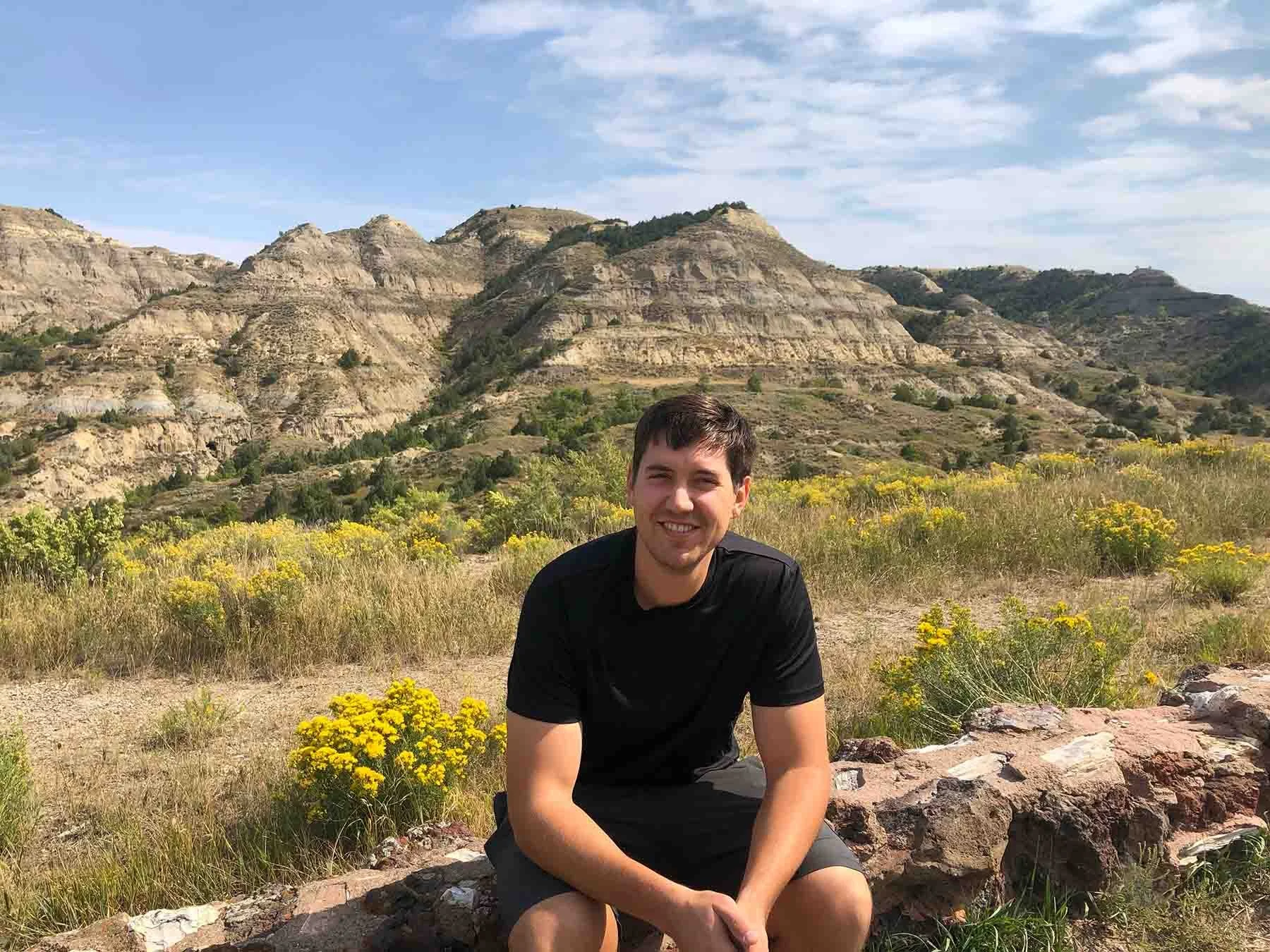
Mal Foster is living in Texas by way of Northern England. He's been known to wear many hats. The most prominent one right now is that of creator, presenter, and producer of the Dimed Out podcast. Part personal journal, part universal microscope, Dimed Out has become an audio journey of anthropology, an exploration of everything from self-growth and science to subcultures and curious life experiences.
Outside of this, Mal is a self-described proverbial round peg to the world's square hole.
So guys, I have some really awesome announcements for you real quick before we dive in.
Mal interviewed me on the Dimed Out podcast recently, so go check out Season 2, Episode 6 to hear sort of a precursor to this interview where we talk about connection, human nature, and vulnerability, and all kinds of things that really play into what I've learned from working on Human Amplified since 2018.
Subscribe to his show. Show him some love on your favorite podcast platform. You're just going to love Mal and Dimed Out.
Brandi Fleck: Mal, thanks for coming on. How are you doing today?
Mal Foster: I'm doing pretty good. Thank you for having me.
Brandi Fleck: Yeah, I'm super excited. It's so good to be here.
All right, well, before we dive in, will you please introduce yourself to our listeners and just give them an idea of who you are and what you do?
Mal Foster: Wow, okay. It's so strange. I'm not used to that, but all right. Yeah, I'll do my best.
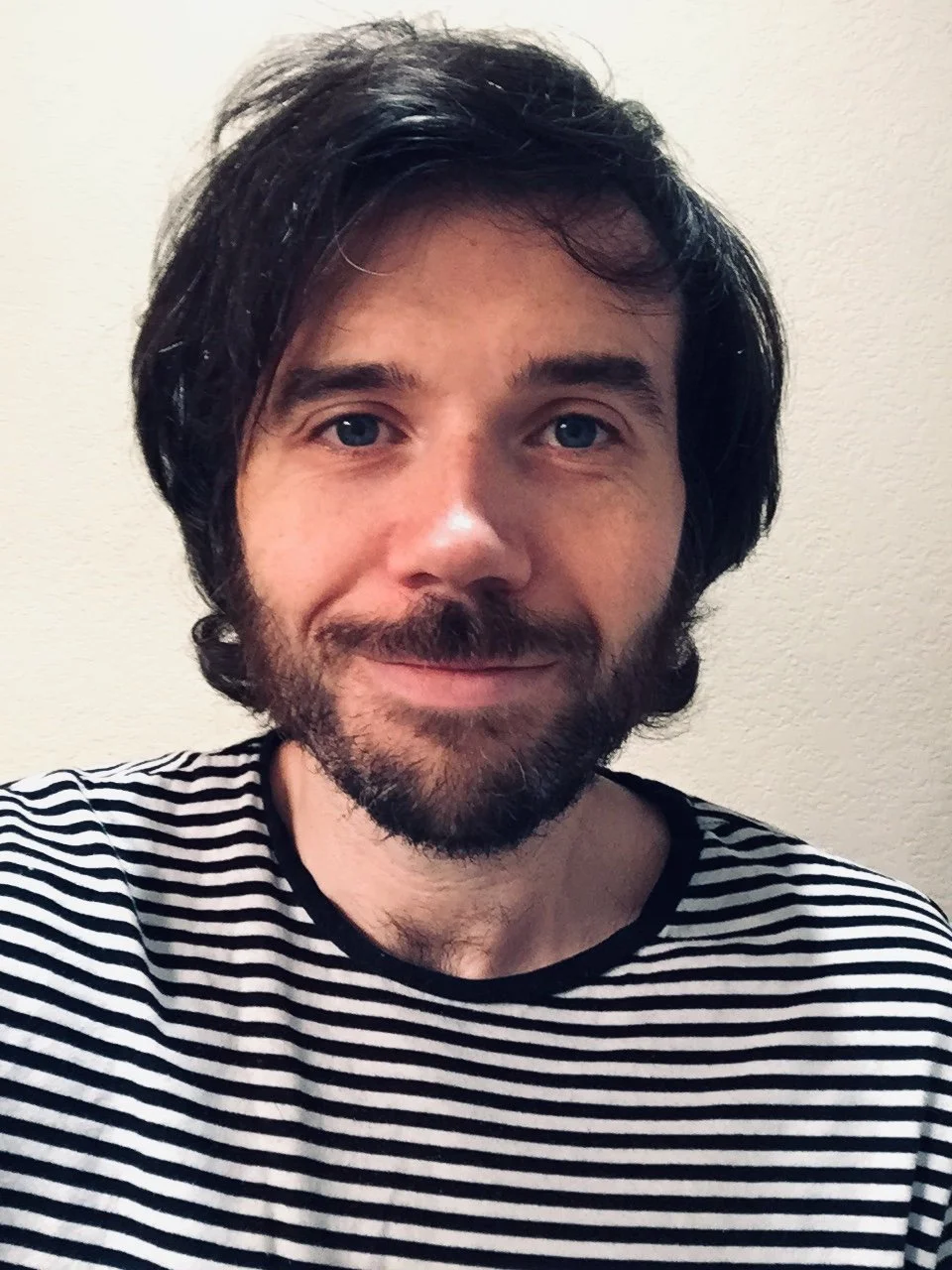
So yeah, my name is Mal Foster. As you may or may not be able to tell, because a lot of people can never place my accent ever, I get so many interesting variations from New Zealand to Scotland, but I am actually from Northern England and have lived there for 33 years.
In the last two years, I found myself living in Texas in the U.S.
And yeah, I host a show called Dimed Out, which is sort of, it's always difficult to describe what the show is because I'm still figuring that part out. It started off part personal journal and also just an excuse for me to look into things I've had a passing or vague interest in, or things that just catch me off guard.
In the process, I've managed to have conversations with family, friends, and now expanding into different territories with people I've never known before, and I'm learning all kinds of interesting and unique and strange things.
Brandi Fleck: That's awesome. What's the strangest thing you've learned so far?
Mal Foster: That's a good question. Probably the idea of mind uploading.
Recently, I did an episode on transhumanism, which is the integration of technology with humankind for the aim of life preservation, life enhancement, and in some cases life extension.
It's something I've known about in a tiny amount a little while back. Again, it's like a passing thing where I knew of it, but I didn't know about it. So it's been on my bucket list to dig into for a little while.
I put out on Reddit, of all places, a sort of call to arms for anybody that had any knowledge about it to come and talk to me about it.
A fellow called James came on the show who has written quite a bit about the subject, and he was telling me about all different types of things, including, as I say, mind uploading. The idea of scanning a person's brain, a person's consciousness, and replicating it into zeros and ones, in basic terminology, and creating a replica of it to be preserved, I guess.
I went in, as I do with a number of subjects, with a certain amount of skepticism, thinking, "Yeah, okay, surely that's not a real thing, right? We're talking Philip K. Dick territory here."
And evidently, he was like, "No, it's a possibility."
Now, how much that is true, I don't know, but yeah, that's probably the stranger end of the spectrum I found myself at at the minute.
Brandi Fleck: Okay. Okay. Well, that's pretty cool.
Mal Foster: Yeah.
Brandi Fleck: So I just want to say, guys, we'll have links to all of the things we mention in our show notes, so make sure you go check that out.
You did say you found yourself in Texas, so let's go ahead and jump into that, actually.
So what made you decide to move to the U.S.?
Mal Foster: Okay, so this is a very long story, so I'll try and truncate it as best as possible. We can dip into this to whatever extent you want throughout the show.
Long before 2015, I suffered a great deal of anxiety and depression and found myself in very much a black hole throughout most of my twenties. I suffered really bad insomnia.
One of the things that eventually helped me get to sleep reasonably soundly for a regular period of time was a thing that is now known on the internet as ASMR.
At the time, it was pretty much known as the Whisper Community on YouTube.
Some people may be familiar with it, and I think most people might have heard of it in passing because it has become a pretty big subculture, especially online.
Basically, the core foundation of it was people making videos that were designed to help people sleep, to relax.
As I said, it was initially called the Whisper Community because that's what it was. There was no video. It was just audio of people whispering about anything. It could be stories that were in the public domain. It could be poetry they'd written. It could be relaxation scripts.
This began to help me sleep and ease some of the issues that I was having. It kind of helped me feel a little bit calmer, more serene.
Because it was working, because I got a great benefit from it, I wanted to dive into it because I would notice in the comments that other people seemed to be having similar problems and that there was somewhat of a community there.
I wanted to kind of reach out and be a part of it, but also give back to it as well.
So I started making videos myself.
One day, another person who was making videos left a comment. I found that they were making videos of a similar nature, and we sort of swapped comments back and forth over YouTube.
Then we started Skyping each other, and then staying on the phone with each other on Skype overnight, and then just, yeah, talking for the longest time. We had a sort of period of no communication for a little bit.
Brandi Fleck: Okay.
Mal Foster: Then in 2015, after basically radically altering my life, which we can get into in a little bit as well, I decided to give myself a challenge. To challenge my anxiety and to challenge my self-esteem and self-confidence and kind of show myself, more than anyone, that I can do things that I never thought I could. That included going traveling by myself for the first time.
So in 2015, I decided to do that. I decided to travel from coast to coast by myself in the U.S., starting off in New York and ending up in San Francisco.
Brandi Fleck: I love it.
Mal Foster: Yeah, that in itself is a long story because I ended up having to cut it short for financial reasons. But yeah, it proved a lot to me, and it was also the time that I actually met the woman who is now my wife.
Brandi Fleck: Oh, yay!
Mal Foster: Who was leaving me the comments in the YouTube videos.
I was passing through Texas. I was going to Austin, and I was like, "This is very unprecedented, I guess, and we may not have this opportunity again, but if you want to, I'm going to be in Austin on these dates. Do you want to meet finally?"
And so we did. Then from there, we began the long journey of getting me over here eventually, where I now reside.
So yeah, long story short, I met my wife on YouTube, which is always fun to tell security at airports when they ask you why you're here.
Brandi Fleck: That's awesome, though. Gosh, I have so many questions, and I know we have limited time, but let me just ask. What made you decide to move here instead of your wife going there to the UK?
Mal Foster: Essentially, my wife has more immediate family here. My immediate family is very little. We do have blood relatives that we are in contact with, but for me, my immediate family is pretty much my mom that we see and speak to and engage with frequently.
Whereas my wife has a lot more, and at the time she was just starting a career. She literally just started it the year that I asked her to marry me.
Brandi Fleck: Oh.
Mal Foster: And so it was a lot more to ask her to uproot and leave.
I was in a job where it was okay, but I didn't particularly foresee a career in it, and I wasn't too upset about leaving it.
Brandi Fleck: There's a great segue into your family and sort of the journey you're going to take us through a little bit. So let's start off with what role do you think a father should play in a boy's life?
Mal Foster: See, it's interesting because I think we are at a point now, because we've had so much history before us, that there are certain predetermined, somewhat stereotypical expectations and assumptions for that.
For me, going from my experience, or lack of experience, with a father figure, I think ultimately it's presence. Both physical, mental, and emotional. Being there. Making it very clear that a father is there for their son or for their child, period.
I think first and foremost that's what it is.
As I said, there's been sort of predetermined set markers and expectations and attributes that I think society has come to expect. That a father needs to teach a son how to be strong and firm and have a certain control over particular emotions. Then you kind of get into other gender-stereotyped aspects.
But honestly, I don't see that as being an integral part.
If that's a part of the father's persona and that's what they're wanting to kind of share with their child, then yeah, absolutely, to an extent, because that's them being themselves and opening who they are to their child.
But yeah, primarily it's presence in every sense.
Brandi Fleck: That's an awesome answer that I honestly did not expect, even though now that you say it, it seems so obvious. Like, well, yeah, you need them there in all those ways.
So you did hit on the gender stereotypes a little bit and how things are predetermined since we have so much history before us, which is a good point. But do you think that the role of a father is different in a daughter's life versus a son's life?
Mal Foster: Yeah, and I think, to kind of borrow a little bit from a previous answer, based on previous history and expectations, it's more of a protector role.
I think it's become assumed, wrongly in my opinion, that a father needs to protect his daughter more than he does his son because there's that sort of pre-built expectation that a male child is more capable of protecting themselves, looking after themselves, etc.
Again, it doesn't really fall into certain column A, column B expectations that attribute to me.
It does all stem around presence, and that's probably primarily because of, as I said, my experience or lack of experience.
But yeah, presence in every way. Physical, emotional, mental. And just listening, primarily.
It's one thing to impart things by talking to people. That's an amazing tool that as humans we have and that we can do for other people by imparting our own experience, our background, our history.
But listening is just as key, I think, in any parent-child role as talking and leading.
Brandi Fleck: Okay. So how would you describe a father's role as being different from a mother's role?
Mal Foster: I don't think there necessarily is, to be honest.
I think there's a sense of understanding, perhaps, that is different for a father and a son because a father has been in the son's shoes. So there, again, going back to experience, it kind of stems from that.
But honestly, I don't really think there is.
People that have children will probably be able to articulate a much more defined and detailed answer than me from their experiences being parents.
But really, I don't think there is much. I think it's just a case of awareness and openness.
Again, it boils down to presence.
There probably are differences, but from my perspective, no, I can't say I can define any particular differences.
Brandi Fleck: Yeah, okay. Well, your perspective, as you've mentioned, is that of, not that you're a child now, but it's the perspective of you being the child of two parents.
The Last Time He Saw His Dad
How about tell us about the last time you saw your dad in person as a child? Because you mentioned there was a lack there.
And just so the listeners know, you do have an article up on our blog that talks about this, so they may want to read that. But do any particular vivid details stand out from that moment?
Mal Foster: The sad thing is, Brandi, the most vivid and detailed memory that I actually have of my father now is of that last image, of that last moment that we had.
A lot of my memory of him is fading. My wife recently asked me, "Do you remember what he looked like?"
And I was like, "I have the equivalent of a pencil outline of him, as it were."
Brandi Fleck: Oh wow.
Mal Foster: Yeah. If I were asked to give a police sketch-type report, I honestly don't think I could at this point.
But my last image of him is the longest-lasting one. It's the strongest one I have.
And it was the culmination of numerous repeated incidents of disappointment, of telling me, "Oh, I'll be here next week. We'll do this next week. I'll be here for your birthday. At half term," which is when schools break up in England, "we'll do this."
Most of the time, those were empty promises. Most of the time, those things didn't happen.
I would wait and I would wait and I would waste a whole day waiting, hoping that it would get to a point where you'd get past the threshold and he would actually turn up.
Despite it being six or seven o'clock at night, you'd think, "Okay, well, he's coming. Something's happened."
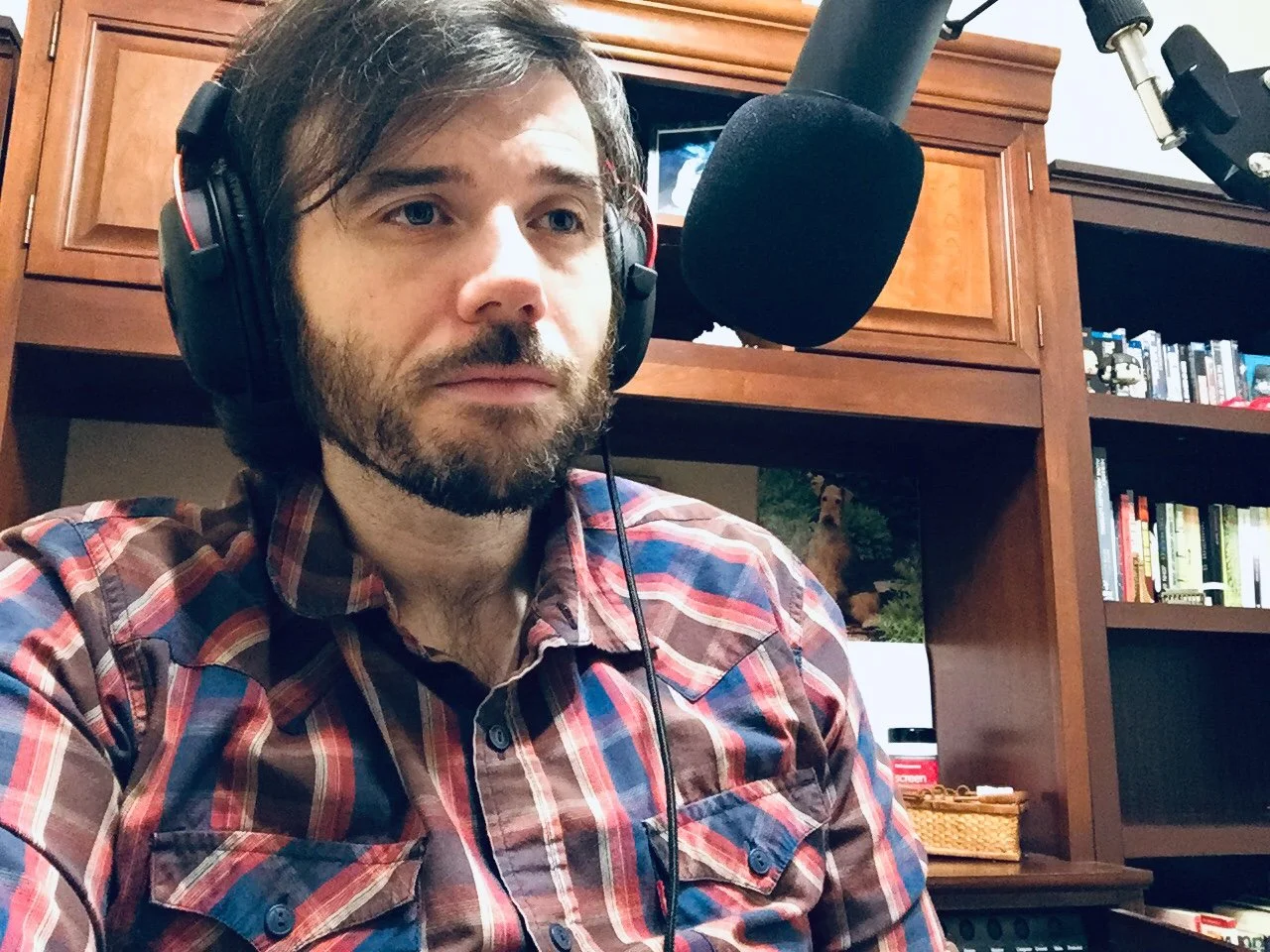
So it was a long string of incidents like that. And something that's really formed, I think, my persona and my sort of detachment from materialism and material goods is that from an early age my father would try and compensate for his lack of presence with physical presents, as it were. Gifts. Items. Things that he would buy me and think, "Oh, it's okay. I haven't seen him for six weeks, but he'll love this."
And it's like, no. No, I wouldn't. I would much rather have had the six weeks, or at least one of those six weeks that you said you were going to come.
So yeah, my longest-lasting, strongest memory is the last memory I have of him. It was on one such occasion after missing God knows how many promised visits.
He turned up outside of my school. I must have been about eight or nine, give or take.
He was waiting outside in his car and again tried to give me something. Like, "Oh hey, here's something to smooth the gap, paper the crack. Here's a gift. Let's arrange to do something on Saturday."
Because I'd been away for a little bit longer than I usually was, my school was located at the end of my street where I lived. So my mom came out to see, "Well, where's Malcolm? You should be home by now."
She saw me talking to my dad and, furious that this was happening again for the umpteenth time, it created an argument. A very public argument in the street. A lot of shouting. My mom basically told him to leave, and he did. Without question. Without argument.
The last vivid sort of reel in my head of that particular portion of my life is me running home crying and seeing him just drive off.
Angry, obviously, because he'd been in an argument, but showing no sort of resolve to be like, "No, I mean it. We can sort this out. We can do something."
So yeah, just a cluster of emotions. Anger. Genuine heartbreak from my perspective. And just a sort of nonchalant aspect of, "Okay, well, I guess that's me done now," as he drove off.
Brandi Fleck: Okay. Do you have any pictures of him?
Mal Foster: No. And this is the thing. I don't have any pictures of him. My mom doesn't because he was never really in a genuine relationship with my mom.
He basically hoodwinked my mom and a bunch of other women, apparently. He was married, but he kind of omitted that fact from anybody he started a new relationship with.
Brandi Fleck: Okay.
Mal Foster: So they never really had a conventional relationship, as it were. And I can't find anything about him on the internet.
So when it came to filling in my visa to come over here, they obviously ask you every question imaginable, and that includes a section on your parents to do background checks and what have you.
There was a section about my dad, about his birthday, his death date if he had one, his address if he was still living.
I was like, well, I don't have to fill most of this in, but I have to fill in his name and his birthday and his date of death, which I didn't know. So I had to go visit his grave for the first time and get it because I couldn't find anything about him on the internet.
Brandi Fleck: Yeah.
Mal Foster: Which is frustrating in a way because I don't necessarily so much want to know about him, but as I'm getting a little bit older, I am going through that stage I think a lot of people do where they are more curious about the side of their family history that they don't know.
So I have a whole side of my family tree which I really don't know anything about and don't seem to be able to find anything.
Discovering a Hidden Side of the Family
Brandi Fleck: Do you know if you have brothers and sisters out there?
Mal Foster: Yeah. I have about six half-brothers or sisters, I think. Maybe more. There's certainly three or four that I know for sure from his immediate family. But as I say, there were a few more of us out there.
Brandi Fleck: And you haven't met them?
Mal Foster: No, I haven't. As far as I know, I'm the youngest. Yeah, it's crossed my mind at times.
When I was younger and I was kind of processing a lot of that stuff, a part of me really did want to try and track them down, but I kind of came to the conclusion that they most likely didn't want to meet me. Understandably, for certain reasons, from his immediate family they may not want that.
But yeah, I've never met them, which is a peculiar feeling. It's something I don't really think about too much until I actually start talking about it, and then that realization comes to the surface again. Like, yeah, I do actually have brothers and sisters somewhere.
Brandi Fleck: Yeah, yeah. It's interesting. I met my dad for the first time when I was 18, and I have six or seven half-siblings on both sides of my family too. So I'm completely relating to what you're saying.

It's interesting, but I have met mine.
Mal Foster: Right.
Brandi Fleck: Which is interesting, but we have different types of relationships than you would have with siblings you grew up with.
Mal Foster: Right.
Brandi Fleck: So it's interesting.
But in your situation, I guess you were saying they might not want to meet you because it was an affair situation?
Mal Foster: Yeah. Certainly with some of what would be considered the quote-unquote legitimate children from his nuclear, standard family, as it were, I think that may be something that they just don't want to associate themselves with, maybe.
Brandi Fleck: But it's not your fault. It's not your fault.
Mal Foster: Yeah.
Abandonment and Self-Worth
Brandi Fleck: Let's go on to what happened after that initial heartbreak.
I know that you've gone through an evolution with your outlook in life based on some key experiences. So what happened?
Mal Foster: First and foremost, that's a great way of putting it. I don't think I've ever framed it that way myself.
But yes, I would say that's really sort of crystallized how life has been for a long stretch. An evolution of different phases and stages and circumstances for me.
Following that, weirdly enough, I was actually okay for the first number of years.
A big part of that is because I actually did have, despite having a sort of flimflam father presence who was there and not there in my life, I did actually have a really steady home base.
I lived with my mom and I lived with her mother, my grandma. That was pretty much what I knew throughout my entire childhood and teenage years. It was that dynamic of having two women raise me, essentially, and shape my initial being, who instilled a lot of stuff in me that I feel like I probably wouldn't have gotten had I had my father's presence in my life.
So it's a weird dichotomy in the sense that obviously, as a younger person, as a child, I missed that. I wanted that.
But as an adult, I've kind of reaped the benefits of him not being who I wanted him to be at the time because it gave both my mom and my grandma space to teach me things that he wouldn't have taught me. To kind of help shape my outlook in ways that I don't think he ever could.
So yeah, for the first few years, it was pretty okay, to be honest.
I'd kind of sadly gotten used to his absence and him not being there, so it just kind of felt like a transitional period that got me to the point of realizing this is it. Everything that I've known in terms of his absence is now the norm.
As I said, helping me with that transition was my mom and grandma.
But it wasn't until later on, about 12, maybe 13, which is early on in what we consider high school in the UK, around about that sort of pre-teen age, where I began to really question things a little bit more.
Because at a young age, as a child, I always just assumed his absence, his disinterest in spending time with me, or his disinterest in me as a whole, was down to me. Solely because of me.
But it wasn't until I got to that stage in life where I began to question things that I began to realize, okay, there's more dynamics in this than just me.
There is, as we've touched upon, his regular family, his normal life, as it were.
Then that began to push things outside of just thinking it was me. It was because of other people.
Then that began to have me question the idea of him perhaps choosing other people over me.
At that age, you're not really that fully emotionally formed. Your emotional intelligence is still in its very early gestation period. So I didn't really have the clarity or foresight to think, of course it's not as cut and dry as he likes his real family more than he does me.
But at that stage, that's kind of what I was thinking and kind of what I was feeling. It felt more of a rejection. In a weird way, it kind of added a deeper cut than it had when I was a child because now you've got external factors.
It's not just that there's something wrong with me. There's something other people have that I don't.
Brandi Fleck: Gotcha. Yeah, that's really big.
When Self-Comparison Takes Over
So, okay. You mentioned anxiety a little bit earlier, and I'm guessing that might be related. But how did your outlook and that evolution manifest itself in your mental and physical health?
Mal Foster: Sure. Yeah, I think the anxiety did come down the line at some point from that, or as a sort of side effect or byproduct of that, for sure.
It wasn't something that was immediate. Anxiety and depression is something that didn't really affect me until I was about 19 or 20, essentially.
But I think, yeah, definitely it was kind of like a residual knock-on effect of sorts.
Entering that stage, I think my worldview changed in the sense that I began a bad habit that I still unfortunately do have, of kind of beating myself up in a lot of ways and sort of berating myself for not trying hard enough or doing as much as I can.
It's more controlled now than it has been before, but it made me begin to think, as I say, I questioned why he was choosing other people over me and what other people had that I didn't, essentially.
So it began this dangerous pathway of self-comparison from a pretty low standpoint to begin with.
It would become a case of, well, I'm obviously not cool enough. I'm not funny enough as those people. I'm not as interesting.
And yeah, it kind of began a pathway to pretty damaging self-comparison that got worse over the years and gradually built.
It kind of made me open up everything else around me and then compare myself to it unnecessarily.
Brandi Fleck: Okay. Now you mentioned to me off-air that you have lost half of your body weight.
Mal Foster: Yeah.
Brandi Fleck: Is that related, or what happened there?
Mal Foster: It is, and it kind of is a continuation of the previous question, I guess.
So yeah, kind of falling into that mindset of comparison and self-criticism and kind of self-destruction. I have a self-destructive tendency. Again, it's not so bad as it used to be. I think I have a lot more control over it after hitting a breakthrough.
But yeah, I went into a sense of self-destruction through different periods of my life, whether that was drinking to excess or eating too much, which I did through a big part of my teenage years.
Self-isolating, partly by my own design and my own choice, partly through high school bullying, which I went through a little bit, which also didn't really help with the whole self-comparison aspect, I guess.
But yeah, it got to a point where after graduating from university, I couldn't afford to live where I was staying anymore, so I moved back home and, as I mentioned a little bit earlier, kind of fell into a black hole in my twenties.
That included a lot of overeating to basically compensate. It was an emotional comfort of sorts.
It got to a point where I had ballooned in physical size to a certain amount. I actually have to work it out on a calculator because you get your measurements differently.
Brandi Fleck: Oh yeah. We have different measurements.
Mal Foster: Yeah, that's right. We use stones.
So yeah, I was about 385 pounds at my heaviest after that point.
Brandi Fleck: Okay.
Mal Foster: For a long time, I was conscious to a degree, but I fell into a pattern of, as I've referred to it in the past, being comfortable with my discomfort.
I just kind of fell into, okay, well, I guess this is my life now. I guess this is me. With no real desire to change it because the change was too hard. The change felt like such an uphill battle, and at the time I just didn't have the mental energy to do it, really.
I would have moments where I'd sort of break the surface and try, but then collapse under my own lack of mental energy and slip back into old habits. It was a vicious cycle, essentially, for a long period of time.
Learning to Be Kind to Yourself
But I got to a stage at about 28 or 29 where I was exhibiting a lot of physical issues due to the weight that I'd put on.
So I went to the doctor and I was given, not an official diagnosis, but an early prognosis of having Type 2 diabetes.
Brandi Fleck: Okay.
Mal Foster: And that was it. That was the hammer to the glass ceiling, as it were.
That was the thing that made me go, okay, you have two very clear choices here.
We can either go home and reset ourselves back to the beginning of this vicious cycle and pretend that you have the energy and the enthusiasm and desire to do it. Maybe try, and then just go back to the start and find yourself again comfortable with your discomfort and make this worse, much worse.
And possibly face a lifetime of medicine, medical treatment, possible amputation, possible premature death.
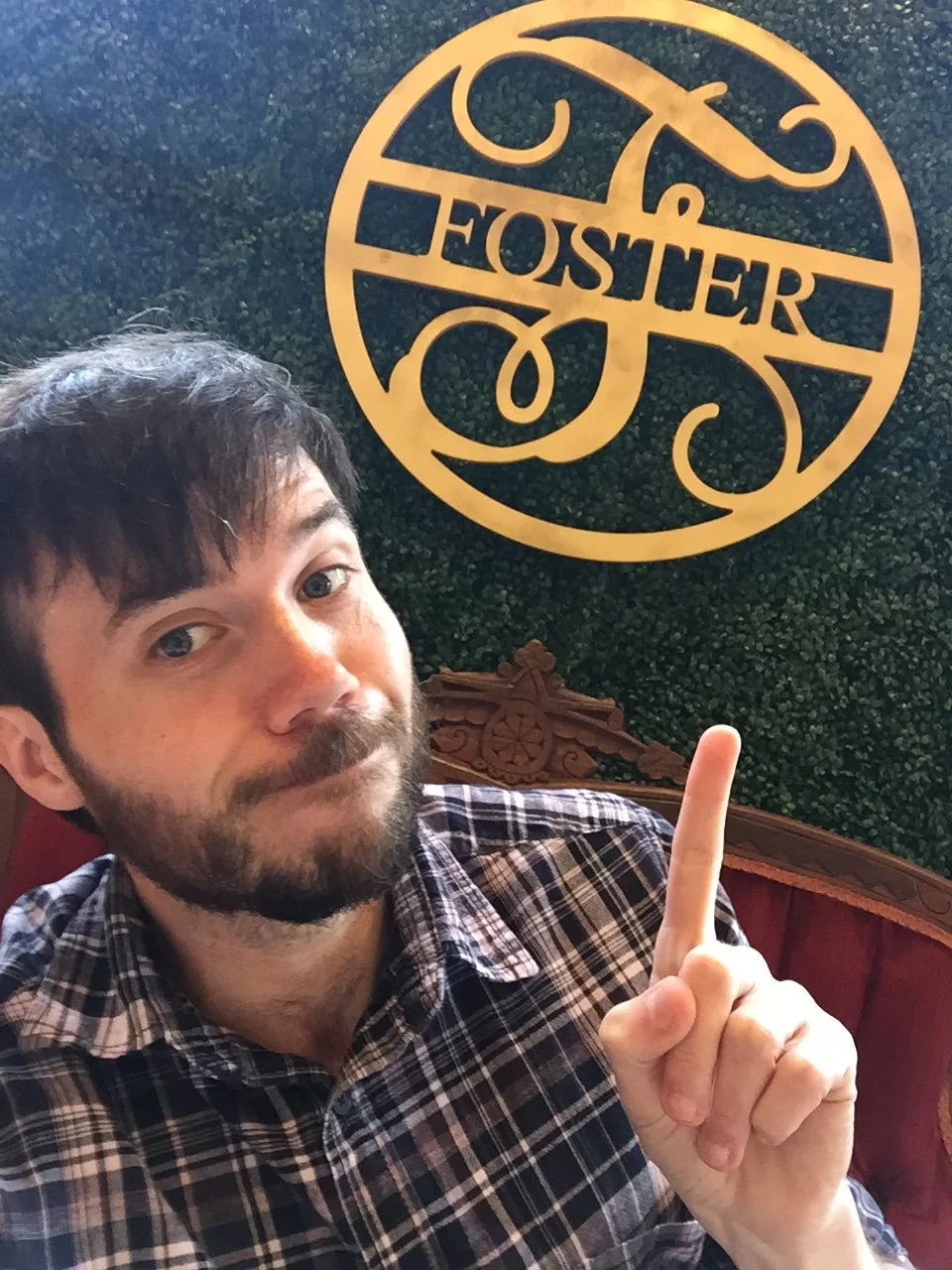
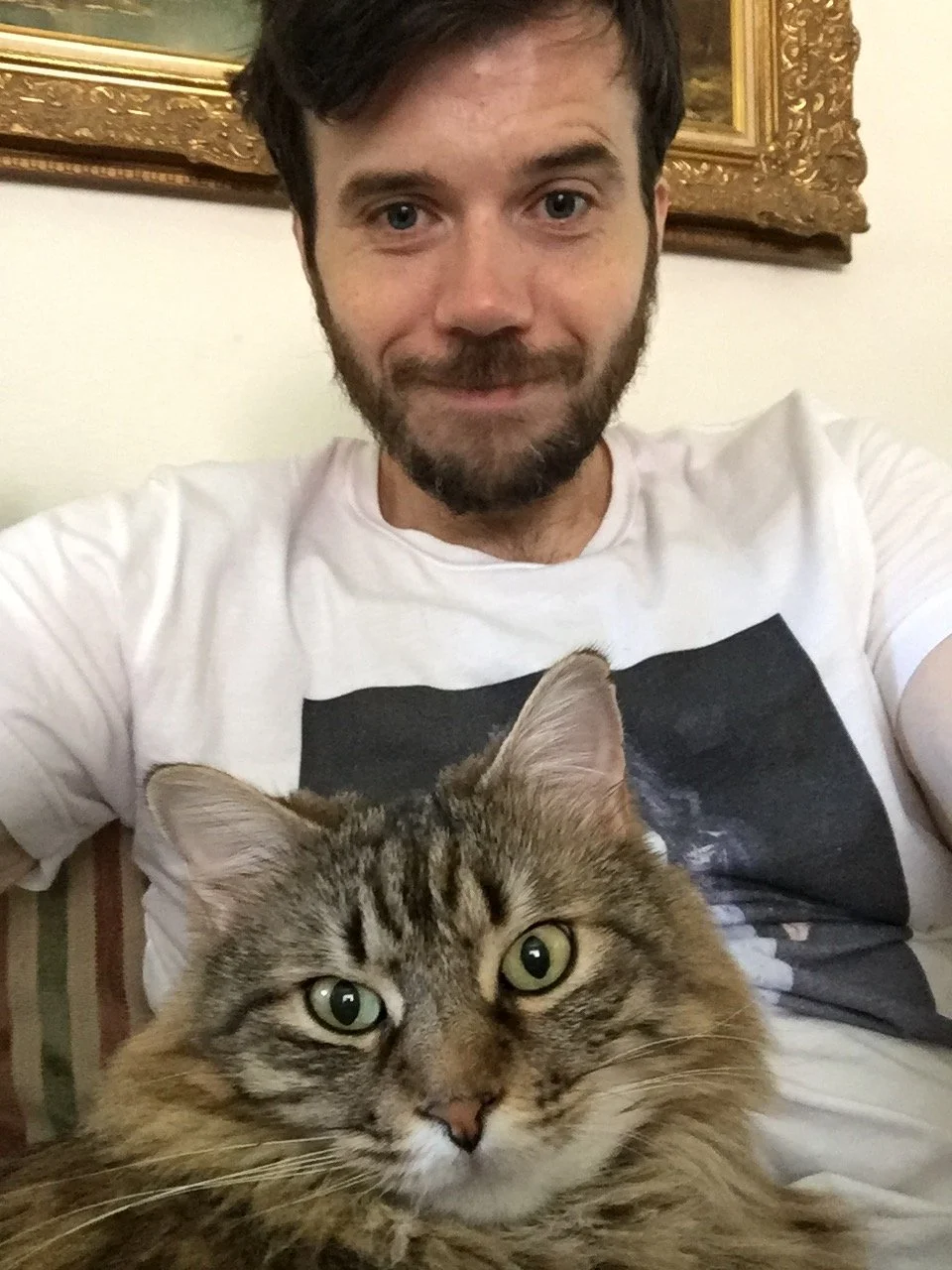
And it was the thing that I needed because it gave me that pathway. It was, you can go that way or you can actually do this now and improve everything.
It's going to be really difficult. It's going to be really tough. But it's either that or it's the other.
And I was like, I've experienced enough of the other. I need to, for my sake, choose the second path.
So yeah.
And it was a transition. It wasn't like the next morning I was up and running and off to the races, as it were. It took a little while to kind of get myself coaxed into that mindset.
It was a daily thing where it would be, as cliché as it is, take one day at a time.
You would look at cutting a few things out of my diet for one week, and then next week, once I kind of conditioned myself to be without that, I would look at eliminating the next thing.
Then I would look at how I can start some light exercise.
It was taking it in small stages and setting myself small goals and targets that allowed me to be like, okay, the big picture, the long goal here, the long game, is not as intimidating because I've made it past the first two or three gates and I'm seeing a slight difference. I'm seeing a bit of progress, more than I have done before.
So that then began to snowball on.
I set myself a target of getting to a certain point, and then that's when the idea of going traveling coast to coast came into my mind because I'd got to a certain point after a year where I'd lost the bulk of it.
And I was like, okay, this is a challenge for myself, but it's also a reward for myself.
Brandi Fleck: Yeah.
Mal Foster: Because that was something that I had to really hardwire into my brain, to be kind to myself and to reward myself with little things.
Because it wasn't just a case of an endurance trial. It was a case of be kind to yourself because although this is hard work, you're doing it.
The encouragement that you can give to yourself through little rewards, through little bits and pieces, and just a general kind of presence to yourself from yourself can get you to where you want to get to.
Brandi Fleck: Yeah. Oh my God, that's awesome.
I've got so many questions now, but let me back up to how you said you became comfortable with your discomfort.
I got chills when you said that because I feel like so many people are walking around comfortable with their discomfort and they don't even realize that's what's happening because they're just so used to it.
And it is hard to change.
So I love your example that you did it, and I'm really glad that you gave us sort of tangible ideas of how you did it, like one step at a time, setting small goals.
But when it came to your mindset, how did you even pull yourself up?
I don't know. I imagine if it were me, I'd be laying on the couch completely unmotivated. How did you even shift your mind?
Mal Foster: It was primarily around examples of low points.
It was looking back into my archive and looking at points where I've felt at my lowest, where I've been at my lowest, and reminding myself that I don't want to go back there.
That it is an easy option. It's so easy to slide back into that sort of decline, which could lead me back to those places.
But I just didn't want to do it anymore. I kind of got tired of it eventually and would just use it as a frame of reference.
I still do that to this day.
A little while back, pre-pandemic, I was having a little bit of a low ebb, as happens sometimes. I'm prone to them now and again.
I found myself doing just that.
I found myself sat outside of a coffee place, and it was a nice day. I was sat by myself, and I was looking inward and trying to figure out why I was feeling in this low ebb and just kind of going through the motions of not so much "woe is me," but like, I'm not having a great time at the minute.
Then I guess my subconscious kicked in and was like, okay, you're not, but look back three years ago.
There was a point where you didn't want to die, but you weren't too fussed if you weren't alive anymore.
And it's like, okay, that's it.
So I guess it's kind of like looking back at low points and using it as a comparison and a contrast and being like, okay, things aren't great, but they could be a damn sight worse, and they have been.
Let's move away from there.
Brandi Fleck: Yeah.
Mal Foster: It takes a lot of mental pulling to do that sometimes. It's not as easy as, oh, I've had an awful time then. Okay, let's move on. Let's do better.
But it's good to have it as almost a mental totem that you can look at and be like, okay, this is what it could be.
Brandi Fleck: Yeah. Mental totem. I like that.
How Abandonment Affects Relationships
How has abandonment impacted your relationships over the years?
Mal Foster: Quite significantly, I'd say. Initially, obviously, in a negative light.
Going back to a previous answer, creating a world of needless self-comparison, it kind of put into my mind this itch at the back of my head.
If I was involved in a romantic relationship or a friendship, I might be enjoying the honeymoon period of it, whatever relationship it was, but there would be that itch at the back of my head saying, yeah, this is going to implode at some point.
This person is going to eventually find something they don't like about you. There's a phrase for it. Impostor syndrome, I think, is what it's known as.
I think it kind of echoed sentiments of that where it's like, okay, you're doing all right now, but eventually the mask is going to slip and they're going to see who you are. The person that just drives people away for whatever reason.
So yeah, that was definitely something that ingrained itself after a certain period of time after my father left, and for a period of my life.
But now I'm beginning to let go of that a little bit. I do still compare myself. I do still have self-criticisms, as I've talked about. It's still a trait and a bad habit, but it's a lot less in terms of its severity and intensity now.
As cliché as it may sound, I've learned to love myself a bit more and learned to accept that there's nothing really wrong with me.
It can be a bit strange sometimes, and I have a strange amount of information about esoteric subjects, but that's not necessarily a bad thing.
Fundamentally, I don't think I'm a bad person, which is what I've come to kind of let myself accept after a while.
Brandi Fleck: So by the time you proposed to your wife, were you still grappling with those types of feelings, like waiting for the other shoe to drop? Or had you overcome it by then?
Mal Foster: I kind of, for the most part, had overcome it.
I had got to a place where I was a lot physically healthier, mentally healthier, emotionally healthier.
I'd been on my initial challenge of going traveling by myself. I'd done that.
I'd even gone back the year after to finish off the bits I was supposed to do in the first year, which again was also a rewarding thing because it was a case of, okay, you didn't get to finish the last stage of your journey, but you're going to save up throughout the year, you're going to take a couple of weeks, you're going to finish it, and that's it.
You can say you've completed it.
You've also gone back and finished something that you said you would do, which I felt was just as important and rewarding to me as taking the trip initially because it was showing that I can actually commit to something that I'm allowing myself to happen.
So yeah, by the time it came around to proposing, I was in a lot better place.
I kind of had reached, I want to say, the peak of my evolution because I'd like to think that's still some distance off, but I was definitely over the threshold and into a better view of myself and the world.
Brandi Fleck: Good.
Was there ever a part of you that wondered if you would have the same tendencies, like negative tendencies, that maybe your father had in relationships because you have those genes?
Mal Foster: Maybe not so much in relationships because I think there's a number of things, and this is something that I've come to learn in later life, the positives, the gifts that my father's absence gave me, which I just didn't see at the time.
As I said before, in terms of emotional intelligence, as a child I wasn't there, as you would expect from someone of that age.
But at this point, I can look back now and look at the things that his absence has given me.
But in terms of relationships, no.
Because some of the gifts that he's given me are the foresight and the ability to look at what was missing.
I think it's really reinforced the idea, as we talked about before, that a father's role is presence because I didn't have that.
So in a weird way, he gave me a how-not-to guide in many aspects.
The same applies in terms of relationships.
From the things I know of him, the things that he's done, the way he's behaved, that stemmed early on. That's something that didn't come later. That's something that came early on.
Just seeing not only the toll that his presence and lack of presence had on me, but on my mom as well, and things that I'd learned, it kind of gave me an imprint of how not to be in relationships with people.
But I still do, and I have in the past, worried that I do have genetic tendencies from him.
Not so much focused and particularly centered on relationships, but just general traits of his.
I don't think I do exhibit them, but it's always there.
Again, it's kind of like the scratch at the back of your head. It's like, yeah, I think maybe there's a possibility I may have his temper or his lack of caring for certain things.
So yeah, that's something that has prominently echoed.
Brandi Fleck: But at least you can be self-aware and pay attention for those things, I guess.
Mal Foster: Yeah, exactly.
I think that's definitely something that I have been, self-aware.
I'm aware and I'm conscious of the things that I want to avoid, even if they are just genetically, biologically ingrained in me.
I'm aware of what they are and how I don't want them to manifest.
Brandi Fleck: Yeah.
That's an interesting thing about being human, is that we oftentimes have the choice to decide how things manifest in that way.
Sometimes we don't, but a lot of times we do.
Can you tell us about the time that you did go to your dad's grave?
You said you had to go to get the information to come to the U.S. What did you see and what did you feel in that moment?
Mal Foster: Yeah, it was a strange one. It was a very strange day because, as I say, I had to fill out that form for the visa, I looked online, tried looking for an obituary, tried looking for any social media posts that perhaps, not necessarily him, but other people maybe in his family had put up. Anything, really.
We scoured the internet looking for the information just so it was there and we could fill in the form as quickly as possible, really.
But it came to no avail. Couldn't find anything.
We found what we thought was an obituary, but it was for a local paper and there were no dates mentioned in it. It was a small passage which we weren't entirely sure was actually him or not.
Brandi Fleck: Okay.
Mal Foster: Which was strange, sitting there looking at a computer screen going, "Is that my dad? I'm not entirely sure."
So we had to do the only thing that we had left, which was go to the cemetery where he was buried because he lived in a small town. It was a given that he would be buried there.
Brandi Fleck: Okay.
Mal Foster: Because at the time we knew that he was still living there when he died, so it made logical sense that that's where he would be buried.
So yeah, for the first time in my life, I went to that cemetery. For the first time in my life, but specifically to find his grave and his headstone.
And yeah, it was strange because on the way there, I was not so much feeling a mix of emotions, but beginning to question what emotions am I going to feel once I step out of the car and I find the headstone.
The strange thing about it was that I felt nothing.
That sounds kind of cold and callous, I guess, to some people maybe, but it's a relief in a weird way.
It was a relief because for a long time I was mad at that man. I was really mad at him and upset as a child.
I felt like I went through all my emotions at that point and that stage. I kind of let go, not really being conscious about it until truly that moment when I was stood there.
Where most people who are visiting the grave of a relative or somebody they know, somebody they are connected to in some way, would feel the typical feelings of grief, of sadness, or maybe even some strange sense of joy at remembering who they were and what part they played in their life.
But yeah, stood there, I just kind of felt nothing.
Not in a nihilistic way. As I say, it was kind of like a relief.
It's kind of like, okay, I feel like the chapter in this book is well and truly finished now.
Brandi Fleck: Yeah. So closure, I guess.
Mal Foster: Yeah. Closure without realizing that I needed it, if that makes sense.
It was never consciously something I needed. It was for a long time, but as I say, after a while it just kind of faded out.
So I guess it wasn't until I arrived at that point that I was like, yeah, okay, this is actually good.
Brandi Fleck: Yeah.
And I just realized we made a pretty big jump from talking about your dad being alive in the beginning to now we're talking about standing at his headstone.
Can you tell our listeners what happened in between there?
Mal Foster: Yeah, sure.
So the last memory we touched upon about me and my dad is about age eight or nine, and that was it.
That was the last time I saw him.
Never had any contact with him. He never reached out to me. Never heard anything from anybody about him.
He was basically just gone.
He was like a specter. I knew he was out there somewhere, but I just didn't know where. Didn't know what he was doing.
As I sort of touched upon, I went through a cycle of emotions. Being incredibly upset and heartbroken. Contemplating why he had been an absence in my life. Being angry at realizing what he'd done. Learning about the other dynamics and external factors for why he wasn't there.
Then I got to about the age of 20, and my mom got a phone call from a distant family friend. Somebody that knew both my mom and my dad.
She called to say, "I don't know if you want to know this, but Malcolm..." who was my father, who I was named after, "...is dying."
He was at the last stages of terminal cancer and had reached out to people. He wanted to speak to me before he passed.
I was given the option.
I remember my mom sitting me down. It was very serious. This was something she didn't do very often.
She said, "Sit down for a minute."
So I was like, okay, what's happening?
At first I thought it was something to do with her.
Then she explained what had happened. She'd received the phone call and told me about the situation.
She said, "Your dad hasn't got long left and wants to know if you'd like to see him before he passes."
And instantly I said no.
I've kind of gone back and forth over the years. Initially, not so much now because I think, as I said, I reached a point of closure and that part of my life is done.
But yeah, there was a part of me which did question my decision.
I said no based on instinct.
At this point I was still in the midst of being angry at him as a background emotion. It wasn't pressing at the forefront of my brain, but any mention of him, any conversation that may have led to him, stirred up angry emotions.
So instinctively I said no, and I stuck to that.
I didn't go and see him.
Then he obviously passed and he was buried.
That was it.
As easily as he let go of me, I let go of him in that moment.
Until, obviously, I had to go and see his grave, and that's when I feel like I truly let go.
But yeah.
Brandi Fleck: Yeah.
Mal Foster: Okay.
But as I said, I contemplated whether or not I made the right decision.
That kind of preyed on my mind for a little bit in the years following.
It made me wonder if that would give me any sense of closure.
I've kind of gone back and forth over the years, but I think I've settled on the fact that I ultimately made the right decision for me.
It could have brought me the closure that I needed earlier and made things easier in my life.
It could have been something that helped me swerve falling into that black hole I talked about.
But I feel like ultimately, for better or worse, the path that I've ended up going down, the ups and downs, the dips, the valleys, have been necessary in some way.
Not necessarily productive or helpful or healthy in some ways, but necessary.
Everything I've been through following that moment, and before, I feel like I've been able to, perhaps not in the moment, but at some point later, take something from it.
I think that's one of them. The ability to take that power into my own hands and make a decision and stick with it.
As integral as that was in terms of mapping out who I would be and my relationship with him, it was necessary for me to say no at that point.
Finding Closure After Loss
Brandi Fleck: Well, I'm really glad that you're okay with your decision.
Coming from the other perspective, I did go and meet my dad, and then we became estranged for about eight years after we met.
Because once you go down that road, it's just a different path. But it has ups and downs too. It's just a matter of which highs and lows do you want to choose, really.
Mal Foster: Yeah.
Brandi Fleck: Yeah.
How was that for you? Did you feel like you made the right decision yourself there, or is that something you've questioned over time?
Mal Foster: For a very long time I thought I had made the wrong decision. Because before I had made that decision, like you said, he was always out there.
I didn't know what he was doing. I didn't know what was going on. He was just there. But I was used to that. And when I made the decision to find him and know him and that other side of the family, it brought things out that I didn't even know existed.
Maybe now I look back at it and I'm like, that's the right choice because I needed to think about those things and deal with those things to become the person I am today.
But it was rough. It was really hard when you realize things that, like you brought up, why did he choose that family and not this part of his family?
But it's all very complicated, the reason people make the choices they do. And I'm definitely a more well-rounded emotionally mature person now because of it.
Mal Foster: Yeah, I think you touch on something that's interesting there because it is.
When I was younger, I always did think it was very cut and dry. As I said, that sort of emotional naivety of, "Oh, well, why them? Not me?"
Brandi Fleck: Yeah.
Mal Foster: And it's not that simple.
Brandi Fleck: Exactly.
Mal Foster: I think it is something that you do get to realize and experience yourself as you grow as a person and you make choices that maybe have ramifications, for good and bad, that it's really not that easy. It's not that straightforward.
There's a lot more complex layers to it.
I think that's helped with me and my sense of forgiveness and closure in the sense that I'm not pleased about the way he was, the things he did, but I'm not mad at it anymore either.
And I'm not sad about it because I realize, for better or worse, it's not that straightforward. Life in itself is not that straightforward.
Brandi Fleck: Exactly.
Traveling Across America Alone
Well, okay, so let's end on a really high note and tell us about the best thing you experienced when you went on your journey from coast to coast.
Mal Foster: So much, really. To kind of go full circle, experiencing a world that I had maybe only seen through pop culture, through TV and film, and experiencing a world I didn't even know existed.
One of the most amazing things that I've seen to this date is a street funeral parade in New Orleans.
Brandi Fleck: Oh.
Mal Foster: And I didn't even know these were a thing before I actually saw it for myself in the flesh.
Brandi Fleck: Yeah.
Mal Foster: I was really taken aback by it, as in, what is happening?
Somebody explained it to me, and it just opened up a completely new layer of, wow, there is so much out there.
That was one of the reasons I decided to do the trip in the first place because I felt like, from that black hole that I had in my twenties, I had sort of deprived myself of seeing and experiencing and doing so much.
So as well as it being a challenge I wanted to give myself, I wanted to reward myself with even just a reasonable glimpse into the unknown, into other things that I had left undiscovered.
So yeah, that's up there.
Just being in that place itself was kind of magical.
It's a strange aura about that place. It's just a strange, almost unspeakable feeling in the air where it's just something different.
Not a bad different, but just like, I can't quite put my finger on it, but there's something pretty unique about this place.
The other thing is just generally the empowerment of it.
I got to see a number of great things, going from Brooklyn to San Francisco through Texas, through New Orleans, through Little Havana in Miami.
Getting to watch old guys just play chess.
It's a whole different way of life there. Much more relaxed.
Just the colors, the vibrancy, all the different foods.
But I think ultimately the empowerment of it, as well as the experience.
Knowing that I could challenge myself and do this thing which scared the life out of me.
When I got to the airport and was like, okay, now it's go time. I'm about to get on a plane and actually do this.
It took a little while to get myself settled, but yeah, all of that.
And I think the way I did it as well is something that will stick with me because I didn't do it through hotels. I did it through Airbnb and stuff like that where I actually got to stay with real people and pick their brains and immerse myself in neighborhoods and communities.
I feel like that was a huge benefit because it felt more like I'm throwing myself into the sincerity of it.
I'm not just staying at a generic hotel where every room looks the same.
I'm staying in someone's guest room that they've decorated, and they would give me little maps for local hotspots and places I should check out.
So yeah, doing it that way was definitely something I'd take away and would recommend anyone, when it's safe to be traveling again, definitely do if you haven't done it before.
Brandi Fleck: Yeah, absolutely. Being immersed with the locals is just awesome.
Mal Foster: Yeah. It takes it to a different level.
Brandi Fleck: So now, how can people find you if they want to hear more of your awesome story and your explorations into life and our world? Where can they find you and Dimed Out?
Mal Foster: A sort of prerequisite, I guess, is I actually started doing Dimed Out on the back of another podcast I used to do, which actually started based on my trip.
Brandi Fleck: Oh.
Mal Foster: So I started doing a podcast called Ramble On In, which started off life as a sort of travel log, a travel journey.
Some of the initial episodes were done at home in preparation beforehand, and then some of the episodes in the early stage were recorded in different places I went to.
Brandi Fleck: Okay.
Mal Foster: So there's field recordings and there's stuff about my journey.
If people want to dive into that, there is that availability there.
Brandi Fleck: Awesome.
Mal Foster: You can hear all the interesting things that I did and saw to a larger extent there. But then it started, and then it ended, as I was about to move here to the U.S. back in January 2019.
I decided to stop it there because that in itself was closing the chapter on a particular part of my life. I was like, okay, I've done this. I've done 50 episodes of this. I feel like I'm done and can put this away now.
But then earlier this year, I kind of got the itch to do it again and to talk to people that I knew and to record a personal journal.
So I created Dimed Out off the back of Ramble On In.
You can find Dimed Out at dimedout.com. That's our main website.
You can find me on Twitter or Instagram at IAmMalFoster, and you will see plenty of links and just random bits and pieces for the show there.
You can also find us wherever you get podcasts. That should probably be the first thing I tell people.
Brandi Fleck: And again, guys, all that will be in the show notes.
Now, thanks so much for coming on the show. It has been an absolute pleasure having you here. I've really enjoyed our conversation and your awesome story.
Mal Foster: Thank you for having me. I've been looking forward to this for a while, and it did not disappoint in the slightest.
Join the conversation!
Feel free to share your own experience and let me know if you have any questions in the comments.
Related Posts







Hi, I’m the founder of Human Amplified. I’m Brandi Fleck, a recognized communications and interviewing expert, a writer, an artist, and a private practice, certified trauma-informed life coach and Reiki healer. No matter how you interact with me, I help you tell and change your story so you can feel more like yourself. So welcome!
Find More on the Blog
Topic
- ADHD
- AI
- Atlanta
- Black and BIPOC
- DIY
- FAQ
- LGBTQIA plus
- Los Angeles
- Nashville
- Seattle
- St Louis
- St. Louis
- UFOS/UAPs/ETs
- abuse
- accountability
- addiction and recovery
- adoption
- affirmations
- afterlife
- altered state
- angels
- animals
- anxiety management
- art
- astrology
- atlanta
- attachment
- awakening
- beauty
- behind the scenes
- being human
- body image
- body work
- boundaries
- brandi fleck
- breathwork
- bullying
- burn out
- burnout
- cancer
- career
- caretaking
- chakras
- channeled
- clarity-dive
- clarity-practice
- clarity-primer
- clean products
- coach
- codependency
Recent Blog Posts
Visit the Full Podcast Audio Archive

Affiliate