
Understanding Anger Through the Lens of Childhood Trauma
Interview By Brandi Fleck
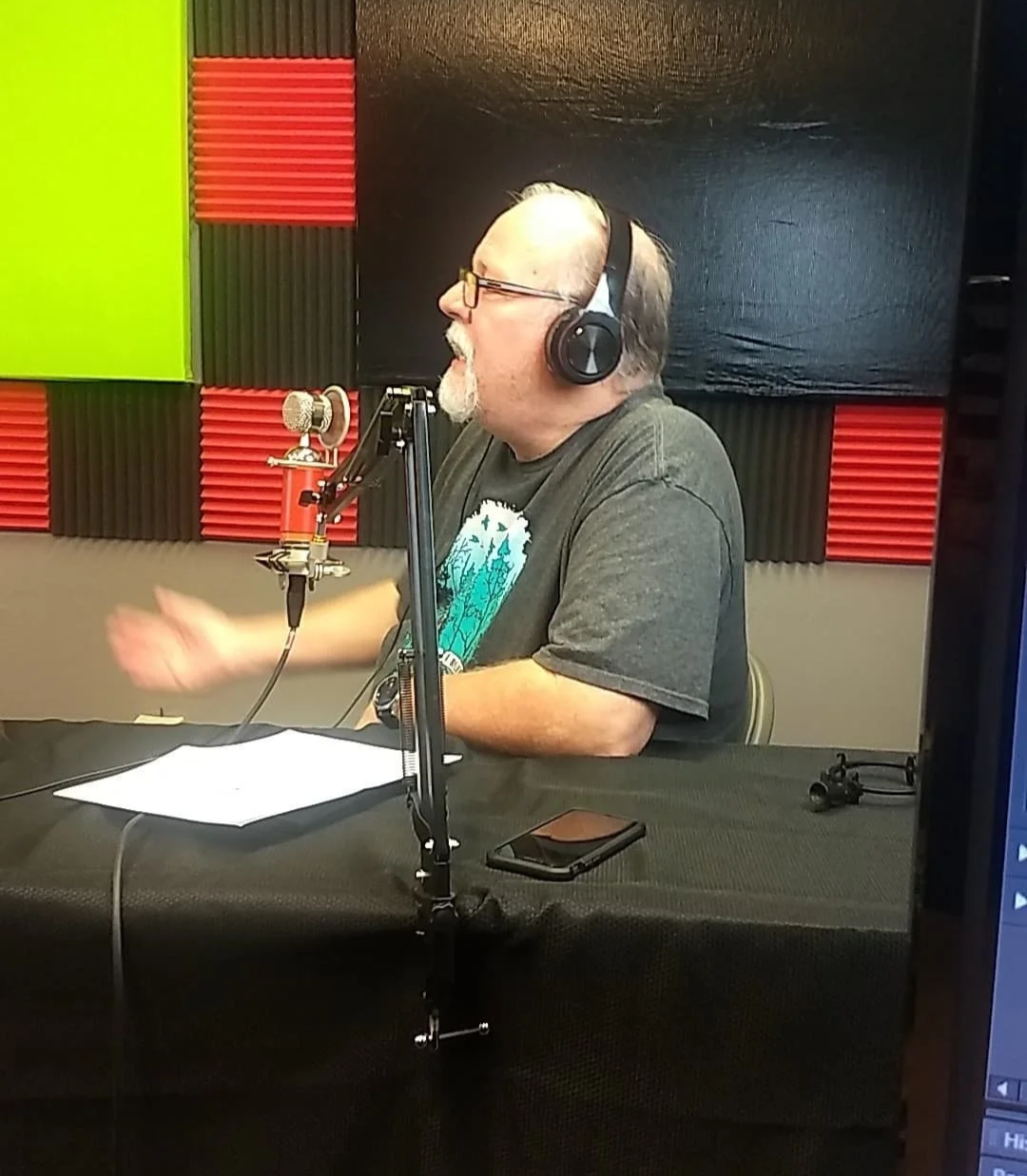
Robin Land shares how childhood trauma, anger, depression, and suicide attempts shaped his life and the unexpected moments that helped him begin healing.
Trigger Warning: This episode contains discussions of childhood abuse, depression, suicide attempts, suicidal ideation, psychiatric hospitalization, and suicide loss.
Anger is often treated as something to suppress, control, or overcome. What we talk about less often is what might be hiding underneath it.
Robin Land reflects on childhood abuse, depression, suicide attempts, a year spent in a psychiatric hospital, and the experiences that shaped his understanding of anger, self-worth, and healing.
We also examine grief, recovery, and the power of listening. Along the way, Robin shares the unexpected conversation that helped him begin seeing himself differently and the small moments that gradually changed the direction of his life.
Despite the challenges he faced, this is a conversation grounded in resilience, gratitude, and hope.
Listen to Robin Land’s Interview
Watch Robin Land’s Interview
Mental Health Recovery Begins With Self-Awareness
Robin Land: My name is Robin Land. I really love my wife. I tried my best to fix me. Huge fear. The path to recovery. It's the understanding of anger that defines me now. I had this really eye-opening experience.
Brandi Fleck: On the surface, this episode is about mental health and how childhood abuse can lead to destructive and unhealthy anger, anxiety, depression, and even attempted suicide.
While it sounds heavy, and this is your trigger warning just in case revisiting these subjects is too difficult for you, I do want to emphasize that this episode is so uplifting.
Robin Land, today's guest, doesn't shy away from talking about who he once was and how he got to his happy life today.
Below the surface, this episode is all about the journey and embracing the good and bad that got you to where you are today. It's about dealing with the tough circumstances and emotions to learn and grow and paying attention to those relationships and seeds of encouragement that help along your path.
It's about self-awareness, reflection, and finding healthy coping mechanisms. It's about gratitude, healing, and recovery.
Robin takes us through engaging details about how anger used to manifest in his life versus how it manifests now, a year-long psychiatric hospital stay that hurt more than it helped back in the '90s, and the aha moment that was the ground-zero point for recovery.
And even though Robin thinks it's important to talk about who you are and acknowledge how you got to where you are today, he thinks listening is a gift you can give others while they tell their stories. He gives his best advice for planting the seed that may help someone turn their life around, like the gift that was given to him.
Not only is Robin a great example of harnessing difficult life circumstances to choose a positive life path going forward, but his personality shines through. Listening to him is a blast, and you feel like you're right there in the memories with him.
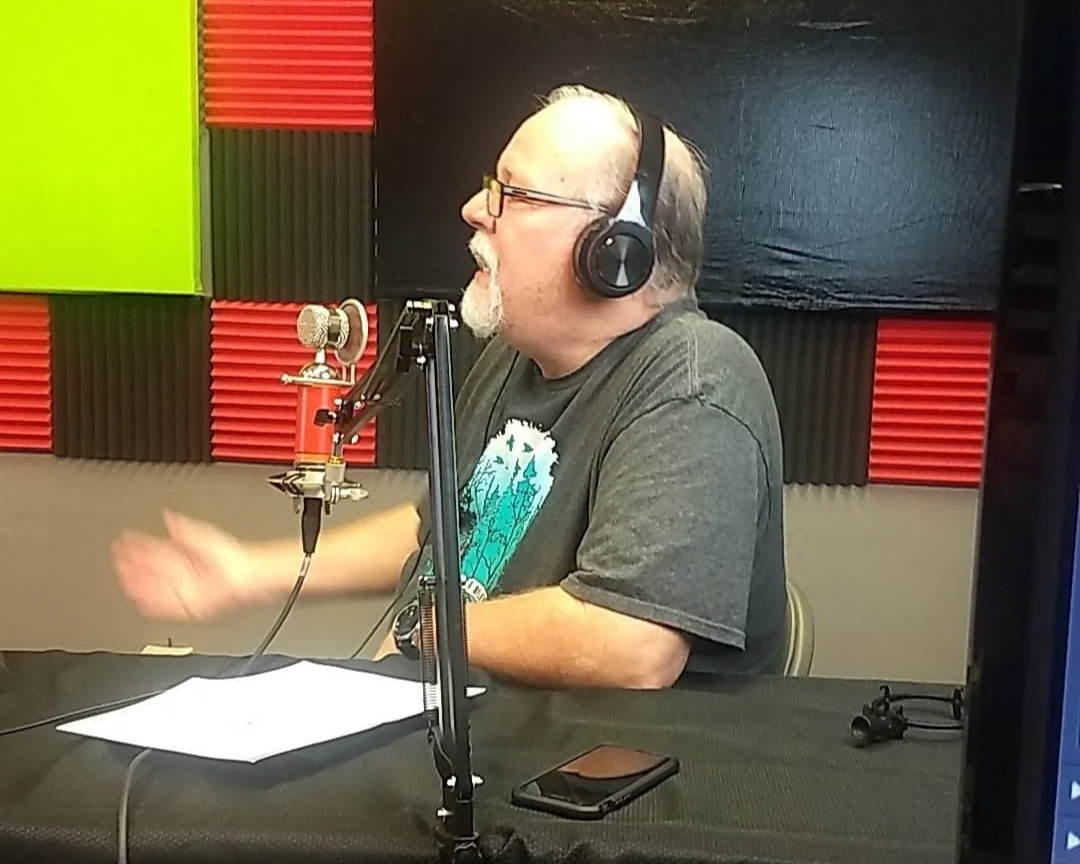
Robin Land is a retired newspaper publisher, and he's passionate about bringing awareness to mental health issues with conversations that focus on real people in their own words.
He does this as the creator and host of the View From the Carnival podcast, which we will tell you guys a little bit about.
And when Robin's not shining a light on mental health issues over the internet airwaves, he's working at being a loving husband, father, and friend.
He currently lives in Tyler, Texas, with his wife.
Brandi Fleck: Robin, welcome to Human Amplified. How are you doing today?
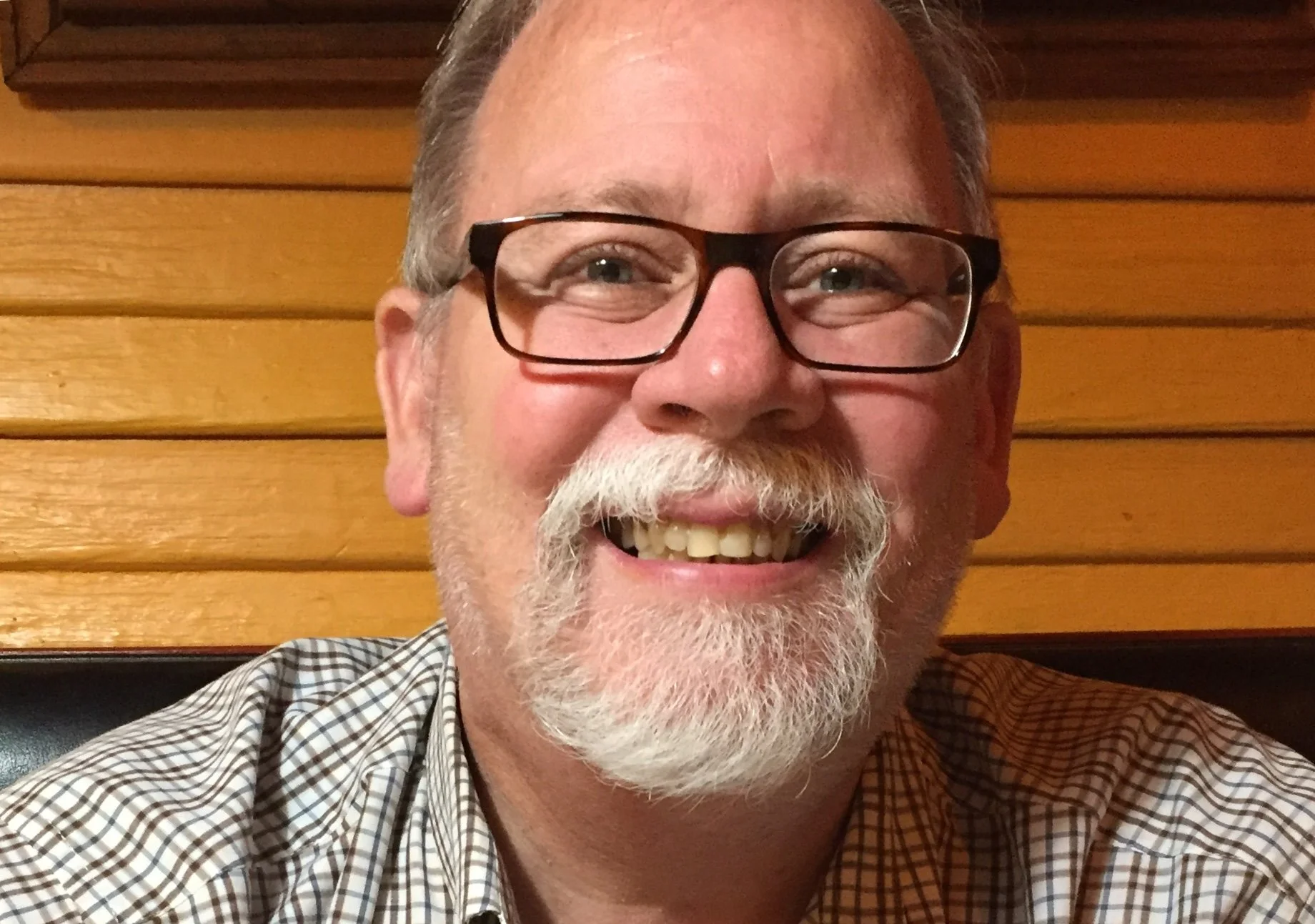
Robin Land: I'm fine. Thank you very much for having me on the show, Brandi. I really enjoy your guests to the show and your website and your blog and what you're putting out there, so it's an honor to me to be included in that. Thank you very much.
Brandi Fleck: Oh, that's so nice.
Robin Land: That's true.
Brandi Fleck: Yeah. I am excited to have you here because you do some awesome work and you have an amazing story.
Before we dive into some big topics, can you introduce yourself to our listeners and just give them an idea of who you are and what you do?
Robin Land: Sure. My name is Robin Land, and I do host a podcast called View From the Carnival.
In the podcast, we talk about different aspects of mental illness and depression and all the related things that go with that.
I'm recently retired, as of a couple years ago, and I was a newspaper man, a long-term newspaper man. I did just about everything from advertising to publisher to a little bit of an editor slot.
That's basically who I am. I left the newspaper business and retired from it a couple years ago. That allowed me to have the time to do this and spend more time with my wife.
Brandi Fleck: Awesome, awesome. Have you guys done anything fun, even though we've sort of been in COVID mode for nine months or so?
Robin Land: Well, we had plans for the first of the year.
The first six months, seven months I was retired, there were some adjustments, and we did some small trips and all, family trips. But we had made some plans with friends at the beginning of this year to travel up to Philadelphia for the BlobFest, and we had tickets for the run-out.
We were going to dart on over to Niagara Falls and the Statue of Liberty and all that area.
Myself and my wife were all over 60, so when the pandemic came out, we all decided not to go anywhere and stay home.
So mostly it's been working around the house. My wife likes to work in the garden. I like to be out there with her.
We're fortunate enough to have a swimming pool, so I spent a lot of time out in the swimming pool during the summer.
It's been a pleasant year.
My wife and I don't have the need to go someplace all the time or do something all the time. It's really kind of nice to be home and have the space to read a book or watch a television show or listen to some music or take a nap.
I'm really big on afternoon naps now. I fought them as a kid. Love them. Three o'clock, I'm asleep.
We're hoping that as soon as all this stuff subsides a little bit, we can get out and do some more day trips and get back up to our original plans.
We love the Smoky Mountains, so we haven't been able to go up there since this started.
But I can't say it's been bad. It's been nice.
My wife and I have not had an opportunity to have this much time together in a long time, so we've learned to embrace that and kind of know each other again instead of me just dashing in and out or her dashing in and out.
Funny story. Early on, about five months in, I walked by her one day. She was in the kitchen, and I asked her if she loved me, and she said no.
So I just went to my room and stayed back out of the way because I had learned she needed a little bit of space.
She recognizes that with me now too.
But that's the benefit of—we're going to be celebrating 18 years here in December, so I'm real blessed with that.
Brandi Fleck: Awesome, awesome. So by the time this airs, you will have had your anniversary, and hopefully we'll hear all about it.
Robin Land: It's such a moment because when we first got married, I had full disclosure about who I am. She accepted my marriage proposal on the fourth try.
Brandi Fleck: Oh!
Robin Land: And I joke with her about that. She's got me on an annual renewal plan there.
The first five or six years, every December she would do an evaluation, see how I performed over the previous year, and then she would decide whether or not she would sign me up.
She didn't really do that, but being an advertising salesman, I just told everybody I was on an annual renewal.
It kept me straight. Yeah, it took me four times before she said yes. Four tries.
Brandi Fleck: So were you guys friends for a long time?
Robin Land: We were friends for about a year when I realized that my feelings for her were much stronger.
We just kind of explored that and started dating some, and finally, like I said, after a few times, she said yes.
Brandi Fleck: And here you are 18 years later. That's awesome.
Robin Land: Yeah, I've been blessed. I'm going to throw this one bit of advice out to people who get married because I've not always had success.
The first couple years of marriage, you get married in your 40s, there are some adjustment periods.
We were both having some problems adjusting to living in a household together.
This is a true story. I think we were both later on confessing the fact that we were wondering if we did the right thing in getting married.
So I had started to go see a counselor because I really loved my wife, and I knew I loved my wife, but I couldn't figure out where the tension was.
As I was driving to the counselor's office, I asked myself what would it feel like if she wasn't in my life anymore.
A great sense of grief came over me and despair. And I decided, well, I don't care. I love this woman. So I don't care why we're together or what conflict we're having. We're going to figure it out, and leaving is not an option.
All I can do is, instead of putting it on her and trying to fix her, I tried my best to fix me and be the better husband. Now, I have not always been successful at that, but I haven't quit trying.
Brandi Fleck: Awesome. That's all I can hope for for anybody in a marriage.
Robin Land: Yeah.
Brandi Fleck: Well, that's awesome. Now we sort of have an idea of who you are. You're definitely a loving husband, and I would say persistent is a good word to describe you. You don't believe in the word no right away.
Robin Land: There you go. I like to tell people I try to be a loving husband. I think I am, but there's always room for improvement.
So I'm always trying to be a loving husband, a better husband. I definitely have flaws.
Brandi Fleck: Yeah. And I think that knowing what I know of you, you're always trying to be a better person as well, in general.
And I know that you wrote an article on our blog called In the Face of Anger, and so I'd like to explore the emotion of anger with you because I think that's a big part of, you have to learn how to deal with that in order to become a better person sometimes.
Understanding Anger and Your Emotional Triggers
Brandi Fleck: So how would you define anger for me?
Robin Land: When I finally started piecing parts of my life together, anger was largely an avoidance of fear. A fear of the unknown, not knowing why I felt the way I did at times.
So it was easier to express it in terms of anger. I could be physical with my anger. I could slam things, hit things.
It took me a long time to figure out that underneath that anger was a huge fear of numerous things.
So just looking at those fears over a period of time and trying to understand and deal with them.
Brandi Fleck: Okay, so you've alluded to piecing your life together, and we will definitely get into some of that story.
Would you say, just on the surface, does anger define you, or did it define you at one point?
Robin Land: I'd like to believe it doesn't define me now, but it definitely defined me in my younger years.
And if I'm honestly reflecting back on my experiences, maybe it does define me, but not that I express anger. I understand why I get angry at times.
Am I making sense?
Brandi Fleck: Yeah, yeah.
Robin Land: I don't consider myself an angry person, although I can get mad.
In my early years, I expressed anger in all the inappropriate ways. Realizing and understanding that through the years, I've been able to handle it differently.
So maybe it does define me a little bit today, but not in the way that it did when I was in my 20s and 30s.
It's the understanding of anger that defines me now.
Brandi Fleck: Yeah. The understanding of it. Is it something that you always have to sort of be on the lookout for?
Robin Land: Not as much as I used to, and we'll talk about it as we go along.
But as I progressed along, I started recognizing red flags or signals that showed me or told me that, hey, I need to stop, slow down, exercise, take some quiet time, whatever, or this is going to happen.
I wish I could say I've never had another outburst of anger in all my life since then, but there are times where I have not paid attention to the red flags, and the anger has taken over.
Those moments I truly regret.
Brandi Fleck: Sure. What is the worst outburst of anger you can remember having?
Robin Land: I think, oh man. I tell you, there were a couple times where I really frightened my children when they were young. Probably gave my first and second wife anxiety from my sprouts of anger at times.
Even in my marriage with Linda, when I've let myself get extremely tired and stressed, my anger burst out.
It's like I've become a person outside of myself and can't control the self that's talking.
Brandi Fleck: Are there any other words that you could use to describe what it feels like when you're angry? What are the physical sensations?
Robin Land: Oh man, that's a good question. A sense of tenseness in the body, like you're in attack mode. Like you're wanting to protect yourself from everything around you.
A little bit of a flight feeling. It's exhausting. The body's exhausted afterwards. It's literally like a battle between being angry and not wanting to be angry at the same time.
Brandi Fleck: Okay. So what would you say is the opposite emotion of anger?
Robin Land: This is going to sound cliché, but peace and calm. I think acceptance is a good word. Just knowing that this is what it is and you don't have control over it.
Because I think anger is also trying to control a situation or a conversation or a person. This is acceptance of everything around you, as much as possible anyway.
Brandi Fleck: That's a good point. So can you describe what that feels like physically in your body when you're at peace and fully accepting your situation and circumstances?
Robin Land: It's like everything around you is cleaner, more vibrant, actually maybe even more colorful in some sense.
And that sense of calm, or good karma, that's immersed in other people around you. Shared existence.
Brandi Fleck: One more definition.
Robin Land: Sure, absolutely.
Brandi Fleck: How would you define masculinity?
Robin Land: Differently now than when I was younger. When I was younger, I definitely didn't believe in asking help from anybody.
I believed masculinity was staring down the guy next to you and making him afraid of you, or keeping him from doing harm to you. True East Texas style. Southeast Texas style. Macho behavior.
Brandi Fleck: Okay. So how's that changed?
Robin Land: It's more now about evaluation of what a real threat is and not handling it with anger, but handling it with, Mom would say, use your words instead of your actions.
And manhood now is, I think, a level of acceptance that you're part of something and not in control of something.
So I try to be a partner with Linda, even though she has to remind me sometimes I'm not there to make everything right for her. I'm there to be her partner with it.
And I think masculinity now is talking about your feelings when you can, listening a lot.
I think listening is one of the hardest things in the world, but a true person or a male, if they can learn to listen, they can be in so much more touch with the world and the people around them.
Brandi Fleck: Okay, so you've defined masculinity and how it's changed, but what I'm really curious about, because you talked about the macho part of things when you were younger and maybe more immature, how did those emotions of anger influence your lived experience of masculinity?
Were there things that you did because you thought you had to be a certain way? Did you ever get into a fight with anybody?
Robin Land: Yeah, yeah, definitely. There were times where my masculinity would come out into anger or rage. I've been known to get in a couple of scuffles.
At work, guys beat their chest and get up in each other's face. Luckily, nothing real physical or anything, but just the confrontational aspect.
Okay, who's going to stand down first? I wasn't going to stand down first. That would be a sign of weakness.
Brandi Fleck: Yeah. And why does it have to be a sign of weakness, right?
Do you think that those things were happening because of cultural conditioning, or do you think it's just nature?
Robin Land: I think it was a cultural environment that taught me to be that way.
I grew up in a family where my father was from Central Texas, a small town. He was always having to take care of his mom and his sisters.
He was a sergeant in the Air Force. We did the yes ma'am, no ma'am, yes sir, no sir, that type of stuff. He wasn't one for sharing his emotions. So I think it was a taught thing or a cultural thing within our family.
I grew up in the '60s and '70s, so the role models for men were much different then than they are now, when you have more access to different types of role models for men in media and books than I had access to at that time.
I think it was cultural.
Life Inside a Long-Term Psychiatric Hospital
Brandi Fleck: Okay. Let's talk about your Hotel California.
You've mentioned that back in the '90s, when you check into a long-term mental health facility, it's like you can check in, but you can never check out.
How did you end up there? What led you to going?
Robin Land: Well, it's funny. My body told me one day that I had a problem with depression or anxiety.
I literally was at work one day, and I was back in the warehouse, and I had to sit down. I physically could not get up.
My body had just stopped. A couple of guys had to put me in a car and drive me home. Anyway, that kicked off a series of events, and the doctor I had, we started exploring anxiety after we ran through all the tests you would run through.
We started looking at depression and suicide and those types of thoughts.
So it's probably the first time in my life I really started confessing or talking about these feelings. I struggled with it. I never could quite wrap my head around it.
And I became suicidal and depressed quite a bit. I'd take short hospital stays. The first one was for two months, then one for a week and ten days.
I did about eight or nine of those visits over two or three years. But it came to the point where I couldn't hold down a job, or a job wouldn't keep me. So that added more stress to the family and our finances.
It finally just peaked to the point where I had to ask for help. I had a great doctor at the time. I was very suicidal. I needed to do something.
My wife at the time encouraged me to go to my doctor, and he suggested a long-term facility out in Dallas. So I checked in, and a year later I got checked out when my insurance ran out.
Brandi Fleck: So you were there for a whole year?
Robin Land: Yeah. A whole year.
Brandi Fleck: Okay. But you had to leave because of insurance?
Robin Land: Oh yes. If you don't have a way to pay for it, you can't stay there. It wasn't a state-run facility.
I call it the miracle cure because once I got the notice from the insurance company that it was not going to cover me anymore, then I started seeing a rapid pace toward being cured from my doctors.
They said, "We're going to let you get out of here in a little bit. You need to do this. You need to do that."
So all of a sudden, after a year of being in the hospital, I was out.
Brandi Fleck: Did you know it was going to be a year-long stay when you went?
Robin Land: No. I expected a month or two. I did not expect it to be a year. At that time, this particular hospital was well known. It was ranked like fifth in the country for psychiatric care.
They had patients from all over the world that came in there. Insurance companies paid much differently then on mental health care.
I had a high insurance policy through my wife's work. I wasn't working anymore. I truly expected to be out of there in a couple of months. I think my doctor did as well.
But it's a very complicated world. One, you're in an environment where there are, say, 30 other people in various stages of mental health. So I think part of that is you start to absorb part of that.
Robin Land: At some point near the line for me, it became hard to differentiate between what I came in with and what I absorbed while I was there.
Although I knew the feelings were extremely intense, and I was extremely angry, and I was extremely suicidal, and I had pretty much quit on the world.
I had alienated my wife at the time through a couple of affairs that I had in the hospital, so she divorced me.
But I think I wanted that, and it just spiraled deeper and deeper. I used to have horrible, horrible hallucinations. Visions, I think.
Part of that was through the medications because they were always loading me up with pills.
But I used to have these terrible nightmares of ceremonial monks standing around and a baby being presented, and the baby being decapitated, and then the baby's crying for me to help them.
So this became a regular hallucination or a nightmare that I had at the time. And snakes all over the floors.
It just went from, "I'm feeling really suicidal and I need help to fix this," to, "I'm having hallucinations, and floating heads are in the room, and snakes are on the floor."
Brandi Fleck: Did the doctors think that you were getting crazier and that what they were giving you or whatever wasn't adding to it?
Robin Land: That's a good question. Here's part of what happens. I didn't get a lot of feedback from the doctors on what their diagnosis was for me.
They took that and gave it to my wife at the time because she was the guardian who put me in there. Okay, she helped me get in there. She didn't commit me or anything, but she put me in there.
So here's kind of what happens, and I saw this years later. I looked back on it and saw how this happened.
You check in, okay? Your loved one is very upset and concerned for your well-being, and they're really relying on the doctors and the physicians to help me get better. So the doctors primarily communicate to the spouse, not to me, but to the spouse.
I'm not sure exactly what's going on, but my spouse was getting more and more concerned for my well-being.
As the doctors made recommendations to her that I should stay longer, they would extend the insurance payments so that I could stay longer.
And they limited your conversations with family to scheduled phone calls once a week. But we had what we called our Wednesday privilege meeting.
On Tuesday, we'd write down what your request was for privileges, and if you'd behaved well during the week, if you'd been where you were supposed to be, did take your medicine, didn't argue with anybody, that type of thing, they would vote on whether you could get your privileges.
And your privileges included phone calls, visits, even the ability to walk from the main room to the cafeteria to eat meals, who you roomed with, or whatever.
If you wanted anything extra, you had to have this room.
Which we all sat in had somewhere near 60 to 70 people in it that would sit there and discuss whether or not you should have your privileges for the week.
So your doctors, nurses, attendants, other patients, their doctors, all that stuff. There'd be 50, 60, 70 people in there sometimes.
You never wanted to be the last one they voted on because you knew then it was going to be all about you for the whole rest of the meeting. So if you rebelled against the system, they could keep you from going to the snack bar.
They could keep you from having a phone call to a family member. They could keep you from getting letters. I saw this one young man. I don't know what he did before he got there, but apparently he had some behavioral issues.
They put him in a straitjacket, into a wheelchair, and kept him there for a month and wouldn't let him talk to anybody until his behavior had been modified.
Brandi Fleck: I feel like that will make you crazy in and of itself.
Robin Land: Yeah, it does. It will. You have medications. It's a different world. It's a very nice place if you're visiting it. If you're a family member, they had big stately columns out in the front and the old Southern mansion-type style.
They had a really nice cafeteria, and they usually had things on the menu like lobster or steak. You had tennis courts out there. You had a swimming pool out there.
But you couldn't get to those things until you complied with the behavior modifications that they were setting for you.
Brandi Fleck: Well, I understand that they have to implement some sort of tactics to monitor and help, but did it feel helpful?
Are you glad you were there for that year?
Robin Land: Okay, I'm going to answer this in two parts. I'll try to make it as quickly as possible.
There were things, in the long term, that I took from it that I've been able to hold onto and make changes in my life with.
While I was there, I just grew more angry and rebellious and defiant, actually. A lot of people were afraid of me because of what I was there, including some of the nurses and staff.
Because I think I was secretly, somebody told me I was secretly voted to be the most explosive person in the ward.
But I exercised a lot too, and I was in tip-top shape at the time. I know one time I exploded and threw some tables and chairs across the room.
This was after a floating head incident in my room. I came up to ask for some medication, and a young man touched me on the shoulder and frightened me.
The next thing I knew, I was throwing tables and chairs.
People would run in, and I remember seeing, as I finally sat down and got still, the fear of the orderlies as they came toward me because they didn't know what to expect from me. I didn't like frightening anybody, so I just quieted down.

It's a strange lifestyle.
Brandi Fleck: Is that place still open?
Robin Land: No. It's actually been torn down to the ground.
Brandi Fleck: Okay.
Robin Land: By stone. They had quite a few problems in the '90s. By the time I was there, throughout the '90s, there were billing issues, people being there beyond the time they were supposed to be there, and I think a doctor or a nurse got killed.
They just had some serious issues. The state actually shut them down, and the building went dark. Then somebody bought the property and just tore everything down. I went and got pictures just for fun.
Brandi Fleck: So was it sort of cathartic once it was gone?
Robin Land: Yeah, it was. It was nice because although there were good people there trying to help you, there were a lot of bad people there trying to take advantage of you. Some doctors can be very controlling. Other doctors can be very empathetic with boundaries.
There was a power play with some of the doctors in the facility and the patients. Keep in mind, by the time I left, this is 1990, my insurance company had spent well over a quarter of a million dollars to keep me in the hospital.
So there was a financial benefit.
Brandi Fleck: Yeah. I was going to say, do you think if they would have extended it, your stay would have been extended and you wouldn't have been allowed out?
Robin Land: Yep. I absolutely believe that. Because before I was dismissed, I had seen patients lose their insurance.
I was there during their diagnosis and groups and stuff and watched them go from being, "Well, you need to work on this. It's going to take a little bit of time."
Then as soon as their insurance ran out, I watched them get dismissed and released.
Brandi Fleck: So it sounds like people were coming in and being released before they were ready to be, but also being held longer than they needed to be just based on the financial aspect.
Robin Land: Yeah. There was one incident in particular where, when I think about it, it's what I really think of as the Hotel California experience.
She was committed. Now keep in mind this: she's there because she wants to be better and she's struggling.
Her parents are concerned about her. The parents are relying on the doctors to guide them on how to treat her.
She has limited or no communication with her family to know what the doctors are telling them.
She can't even write a letter to her family telling them how she feels or what's going on.
The family only hears from the doctors. She was ready to leave but couldn't leave. Her family didn't want her to leave because the recommendations told her family not to.
So the doctors acted on her family's behalf to have her committed and put under the hospital's care.
Their parents were no longer the guardians, and the hospital became the guardian.
Brandi Fleck: That sounds dangerous.
Robin Land: And she had no way of preparing for the commitment hearing.
She had no way of hearing what was said in the letters.
She had no way of talking to the attorney or her parents or anybody.
So even if she did need help, she had no say in that process whatsoever other than comply with whatever the doctors told her because they became her voice, for lack of a better word.
Brandi Fleck: Yeah.
Okay. So what happened after you left?
Robin Land: I tried to commit suicide again. I tried to commit suicide once while I was there, and then once I left, within a month or two, I tried to commit suicide again. I was lucky. I had called somebody. A friend came and got me and took me to the doctor's office.
They pumped my stomach out, and I went back into the doctor. He looked at me and said, "Look, I don't know what to do, Robin. I don't want to send you back to the hospital again."
Because he was sorry he put me there. He told me that.
"I'm sorry."
"But I can't send you home because I don't know what's going to happen."
So we agreed I would go to my parents' house in Nevada for about two months and do some recouping and some rethinking.
I had a couple of aha moments there. This is when I go back and can remember some of the things the doctor said to me that started making sense.
And then I had this really eye-opening experience. I was at a friend's house. I had some friends there that I'd met, and so I was at this lady's house, a friend of mine.
She said, "I'd like to share something with you."
I said, "Sure, go right ahead."
So she went over and grabbed a box of photos and brought them over to me. She sat there and said, "I don't really share this with very many people."
You could tell she was very stressed and emotional about it.
Anyway, she started to show me all these photographs of her daughter who had passed away and had drowned by accident when she was two.
This had been a really tragic moment in her life. And I realized that the only thing I was supposed to do there was listen. Then I realized later on that, man, she has a totally different perspective of who I am than I think I am.
Because obviously she thinks I'm worth something if she's willing to trust me with these emotions and feelings she has.
So that was the seed that started it.
Once planted, I started to grow an understanding that I was worth something, okay, and that I could be important to somebody, and that people could care about me. And then there was a journey to recovery.
A long journey, but a journey in the right direction finally.
Brandi Fleck: I want to talk about your journey to recovery, but right before we jump into that, can you just tell me why?
Finding Self-Worth After Childhood Abuse
Why didn't you think you were lovable or worth it before that moment?
Robin Land: One of the things I did realize is that there had been some abuse in my life as a child.
So I felt less than because of that. It was particularly hard for me to talk about, given the culture of masculinity at that time.
There was no outlet for it. And I want to back up and say something, if you don't mind. One of the benefits of being in the hospital were the other patients that I met there.
I realized life and people were much more complicated than I realized and that there were deep emotions that we had in common.
We all kind of reacted to the absence of those, or rejection of those, or the pursuit of those feelings.
I met some amazing people that were struggling through some amazing things.
So my outlook on the world, as I started to feel more worthy, I started really appreciating the journeys that they had been on.
Brandi Fleck: So it's all sort of starting to connect in terms of when things happen in your life, if there is a conditioning in our culture that you can't express or have an outlet because you have to be a certain way because of your gender or whatever else, there are consequences.
And this is how it played out in your life. This sort of experience that it sounds like is bittersweet for you. Is that a word you would use to describe it?
Robin Land: Sure. We're always on a journey. We're walking down a path. Someone asked me once before, would I do it again?
Quite honestly, looking back, I don't like how I feel, and I don't like how I felt on my journey, but I would not change a word of it or a step of it or an experience of it.
Because I look at my life today, and I would not have been here had I not gone through it.
And quite honestly, I would not be with the woman I'm with today, and she is everything to me. So I wouldn't have been able to do anything in this relationship had it not been for all the stuff I'd done in the past.
I'm not even sure I'd be alive at this point.
Brandi Fleck: Do you still talk to that friend who helped plant that seed, that turning point for you?
Robin Land: No. We talked for a little while, but as I got back to Texas, I kind of went on with my life and she went on to another life.
We weren't probably the closest we ever were. Other than that, we were just kind of acquaintances.
Which is part of the impact of the story. I didn't know we knew each other that well that she would share this. But she saw a moment where she could trust me. Like I said, it changed everything.
Brandi Fleck: Yeah.
It's interesting how different people come in and out of our lives, even if it's just for a minute.
Robin Land: Here's the challenge with that. You never know what those interactions are.
So I think people need to be more conscious in how they live their lives sometimes around other people, what we say and what we do.
Because that could be a moment. They can open a door for someone or close it and make it harder to open up later on.
Brandi Fleck: Yeah. That's a good point.
So let's talk about your journey to recovery.
First off, can you describe what it was like after you had that turning point? What were the things you went through that helped you learn how to cope, basically?
Robin Land: That's a good question. So the aha moment said, "Hey, I don't want to die, okay, because I am worth something."
So that said, I now had to learn how to live in this world. I had to learn how to deal with my anger, my frustration, how to deal with other people differently, how to recognize those red flags.
Life keeps coming at you no matter what. My first wife and I divorced. The kids and I became kind of estranged, and it took some work.
She was pretty angry, with lots of reasons to be pretty angry. But I had to kind of learn how to deal with that and know that it was okay. The kids were 10 and 12 years old, so I was learning how to deal with that.
I married my second wife under dubious circumstances and not being really clear-headed. That was a whirlwind experience that ended in grand jury hearings and all kinds of other stuff.
Brandi Fleck: Oh man. So you've got to tell us about some of that. Can you give us some details?
Robin Land: I can tell you that I met my second wife, I won't name any names.
I met her at the grocery store I worked at. I liked her. She was smart. I liked her little girl. I thought, okay, this would be somebody I want to be with.
She had an old boyfriend that was trouble. There was some shooting, then there was a grand jury hearing, then there were tensions between the two of us.
We ended up in a divorce, and I went my separate way. She went her separate way.
But we did have a little quaint wedding ceremony at the grocery store that I worked at at 7:30 in the morning.
We got married on aisle eight. And that's about the best thing I can tell. She was a good lady. She was just treated by a guy that had a lot of stress and tension.
So I had to learn to deal with that and then other relationships. How to talk to women differently. How to act around children differently. When I came out of the hospital, I had nothing. Literally nothing.
I had a few hundred dollars a month I got from disability. So I walked a lot of places. I finally got a car. We called them hoopties back then.
An old hooptie that I paid out by the week. I was lucky. An old employer gave me a job. I worked there for a while and kind of started building it up, getting a little money. Then my father passed away during this time period. Somewhere in there, I can't remember exactly where on the timeline.
So there was, between my second and what would have been my third wife, my father passed away.
That was really hard on me. It was hard on my mother. That relationship ended. My behavior was really sporadic. I was very bipolar, up and down a lot.
Brandi Fleck: Wait. What relationship ended?
Robin Land: The one after my second wife. I was in another relationship, and we were going to get married. Then my father passed away.
My behavior during this third relationship was very erratic and up and down.
So she made a very wise decision not to get married to me, and we split up. Then right after that, I went on the road with Kmart, lived in Denver, and my brother committed suicide. He shot himself at my mother's property.
Brandi Fleck: Oh my gosh.
Robin Land: So we're now up to about 1997. It was not a smooth road coming out of the hospital. There was a lot to deal with while putting all that together.
Brandi Fleck: Yeah.
Robin Land: Around 2000 or 2001, I was starting to settle down more, becoming more recognizable about my behaviors and the red flags and ways to settle down.
Kind of being more retrospective about my life and what I had control over, what I didn't have control over, and doing my best not to let it interfere with who I was now.
Then a couple more relationships through that time period.
Then I ended up here in Tyler, where I live, because it was the closest place I could come to be near my mom because she now had nobody at home with her after my father's death and then my brother's death.
That was 20-something years ago.
Brandi Fleck: It seems like you're living a completely different life now. Does it feel like a different life?
Robin Land: Oh yeah. People who knew me then would describe me totally different than the people who know me now, except what I've shared with them.
Brandi Fleck: Are you happy?
Robin Land: I'm extremely happy. I'm very fortunate.
I'm telling you, having Linda, the right spouse and partner in life, can mean a big difference. It can be a big help.
And I used a different criteria in trying to meet Linda. Being friends first. Like I said, I was driving down the road one day and said, "I can't live without this woman. Everybody else I can live without."
I told myself that, and I did. It was just part of the path. But her, I could not. There was an emptiness when she's not around that I've never experienced before.
You ever have somebody that even if you're in a room together and you're not talking, the fact that they're there means you're complete?
But if they leave for a couple days, although you enjoy a couple hours or a half a day of peace, there's that moment when you know that something's missing.
There's emptiness. That's what it's like when she's not around. There's an emptiness.
Brandi Fleck: Okay, well that's sweet.
Robin Land: I'm lucky. Now, I am a pain in the ass, excuse me for using the word, because I have not perfected perfection yet.
So I am flawed. But all I can promise my wife is that I keep, even at 64, I'm going to keep working at being the best husband I can be.
There are times I have to remind myself, this isn't worth dealing with. It's not a big deal. Let go of it. It's not the most important thing in the world. Who cares if she turns the labels the wrong way in the refrigerator?
I don't care anymore.
Surviving Suicide Loss and Coping With Grief
Brandi Fleck: So let's touch on suicide real quickly because that's come up quite a bit.
You basically survived attempted suicide. As someone who attempted suicide and then was able to move on from that and not do it again, how did you deal with your brother doing that same thing?
How did you even get through it, and what did it make you think in terms of just having been there yourself?
Robin Land: There were a couple of things. I don't think this is unusual. People will tell you this.
But there was an immediate anger for him doing that. One, doing that. And then doing it while living with my mother because she'd already lost Dad, my father.
And she doted on my brother. For him to do this was just a huge emptiness for her. And he picked a place that was very special to my mom, in her gardens and area.
So it was very difficult for her to go back and ever enjoy this place that she really enjoyed. So there was some anger there. And then my brother and I were not real close.
We shared some of the same...
Robin Land: ...some of the same experiences when we were young as abuse, so we kind of grew apart from one another.
But I knew that there was a lot of pain that must have been going on at the time that he decided to kill himself.
And I hated that he had that kind of pain in his life and wish he could have found another way to do it because there were people that cared about him, loved him, and stuff like that.
I knew he had a hard time seeing that at the time.
And he died very violently, so that's unfortunate too.
Brandi Fleck: Okay.
So seeing how he died, did that just make you think, "Oh God, this could have been me?" Sort of like you escaped?
Robin Land: Yeah. There was a sense of gratitude in that I had survived my two attempts.
I was here now, further down the road than I would have been had I done damage to myself or even killed myself.
There was some regret because I physically saw how my mother reacted to my brother's death.
So I knew that at the time that I attempted suicide, how it must have felt for people who loved me. That was a real eye-opener.
I'd never actually physically seen that kind of experience from that side. So there was some soul-searching about that and moving forward.
I'd say I felt some gratitude for myself, some regrets for some of my behavior, and I really realized that my brother was in pain, and I'm really sorry to see that. Even though we weren't really close anymore, I wouldn't wish that upon anybody.
We loved him, my six sisters and I and my mom. We loved him.
Brandi Fleck: Thank you for sharing those really personal experiences.
Is it hard to share that stuff since it's been so long now?
Robin Land: No.
First of all, I think it's good to talk about who you are.
Just because I talk about it doesn't mean I'm that person anymore.
It just means, hey, this is how I got to where I am today.
And I've always felt that if I was talking, then maybe it was easier for somebody else to talk, even if it wasn't to me.
Obviously they didn't have to talk to me, but maybe to somebody else.
That there was a door on the other end of this that they can get through, and you can have the life you're looking for.
It's not an easy journey, and it's never completely over with. You still have to do self-checks and take care of yourself. But no, it's never really bothered me.
The more I've talked about it over the years. Well, I guess I do now on my podcast, but I used to pick and choose who I would talk to and share with.
It's surprising how many people have gone through these kinds of emotional dealings through their lives.
Also, I kind of think only one or two of the numerous doctors that were in the hospital really did me any good. There were a lot of patients there who I just admire for the journeys they were taking.
In some way, when I talk about it, I'm hoping I'm honoring them and their journey. Because they deserve to have a good life. Of course, after we left the hospital, none of us stayed in contact with one another.
So in some ways, it's kind of like honoring them. I hope to, a little bit. They certainly influenced my life. I met some interesting people.
Why Sharing Mental Health Stories Helps People Heal
Brandi Fleck: So tell us, why did you start the View From the Carnival podcast?
Robin Land: Well, life gave me retirement, and my wife said I needed to do something.
I had always wanted to talk about this, but I'd been a little nervous because I don't consider myself to be the most articulate person in the world.
I like to write, but I'm not what I consider a great writer.
But a friend of mine encouraged me to come do a podcast at his online radio station. It's something I'd been thinking about. The things that I was stumbling on were equipment and microphones and editing and all that stuff.

He just did all that for me. So I just started talking. I found the more I talked up there at the radio station, the more I talked on the podcast, the more people were coming and sharing their stories and wanted to share their stories.
Because I think people just want to know that what they went through, they can tell somebody. Because it's life-changing.
It's part of who they are. It's not even life-changing. It's still part of who they are. So just having an outlet. I try to approach the podcast in a way that it's more about people sharing their stories and emotions and less about the clinical side of it.
Therapists are really needed, but therapists tend to talk in textbook terms.
When they talk about suicide and mental illness, patients, or survivors as I call them, tend to talk about the emotional part of the journey and the details and the experience.
I think that's easier for people to relate to in many ways. It's funny. I'm approaching 52 episodes, and I don't seem to have problems with people wanting to come on the show and talk.
Because it's an opportunity for them to talk about how they feel and share. They want to talk, and they want to share. They want people to learn from that, even if it's one person. Isn't that kind of refreshing?
That we're out there trying to help each other by sharing our own stories instead of trying to tear people down and demean them?
Brandi Fleck: Exactly. Yeah, and sharing a story does help.
I feel like there are so many benefits to it. You're not alone. You can see how somebody else dealt with it, which could validate what you're feeling. You know that there's another way in the future.
I can't even put into words all the benefits, but I agree with you.
Robin Land: View From the Carnival, it's like walking through a carnival at the fair. There's lots of lights and noises and people walking around that you don't know. And over in the shadows are the guys, the carnies, who run the fair.
They make sure their equipment's running. We all have a tendency to want to ignore them because they can't fit into our life, because we can't imagine why anybody would want to be a carny.
And actually, most of us are carnies. We're out there trying to figure out how to live in the world, and we're ignored.
So View From the Carnival is, hey, let's talk about the people that we don't want to talk about and hear their stories.
The ones that we're ignoring because it's too uncomfortable.
Brandi Fleck: Yeah, yeah.
Robin Land: And there's a great song from Natalie Merchant. You know who she is?
Brandi Fleck: Oh yeah, yeah.
Robin Land: Okay, good, good. I asked somebody the other day, and they said no.
I said, "I'm not that old."
She has a song called Carnival, and that's where I got the name also, View From the Carnival.
Brandi Fleck: Awesome. So where can guests find you and listen to View From the Carnival?
Robin Land: It's really easy. The best place to go is to my Facebook page, View From the Carnival.
From there, there are links to my hosting page. But also you can find me on Spotify, Stitcher, Deezer, Amazon Music, Apple Podcasts, most of the podcast platforms.
You can find me there. But the quickest and easiest way is just to go to my Facebook page.
There's always a link to the next episode, and there's a website link to the hosting page with all the episodes on there as well.
Brandi Fleck: Awesome.
Robin Land: And of course, you can email me at viewfromthecarnival@gmail.com.
The Power of Listening to Someone in Pain
Brandi Fleck: Awesome. Well, hey Robin, is there anything that I didn't ask you that you think is important to share?
Robin Land: I think if I could give people one piece of advice, it's slow down and listen to the people around you.
Because they have a story to tell. Everybody has a story to tell.
And if you can learn to really listen to another individual. In today's society that means putting your phone down, turning off the TV, putting the books away, and just looking somebody empathetically face to face and listening to their story and letting them know it's okay to share whatever's on their heart, you'll give them a gift that may open the next door for them that puts them on the path to recovery.
But I promise you, as I live and breathe, the reward for doing that is almost euphoric. That you're able to listen to somebody, help somebody by just listening. And when I say listen, don't give unsolicited advice.
Don't tell them how nice it is outside. Don't tell them how beautiful it is. Don't tell them it's going to be better.
They just want to know that it's okay to share whatever's in their heart. Do that, and that's the best advice. It will make everything else in this world seem small.
And then help them go in the right direction to find the help they need. Something like that. That's my advice.
Brandi Fleck: All right. Beautiful advice. Thank you.
Robin Land: That was what was given to me. So from that aha moment in Nevada, that was a gift given to me. It changed everything.
Brandi Fleck: Well, Robin, thank you so much for coming on the show. It is always a pleasure to have a conversation with you.
Robin Land: You're welcome. Thank you very much for sharing with me. And guys, listen to her podcast.
This is a smart young lady, okay? Listen to her. She has a great show.
Brandi Fleck: Thanks, Robin.
Robin Land: You're welcome.
Join the conversation!
Feel free to share your own experience and let me know if you have any questions in the comments.
Related Posts








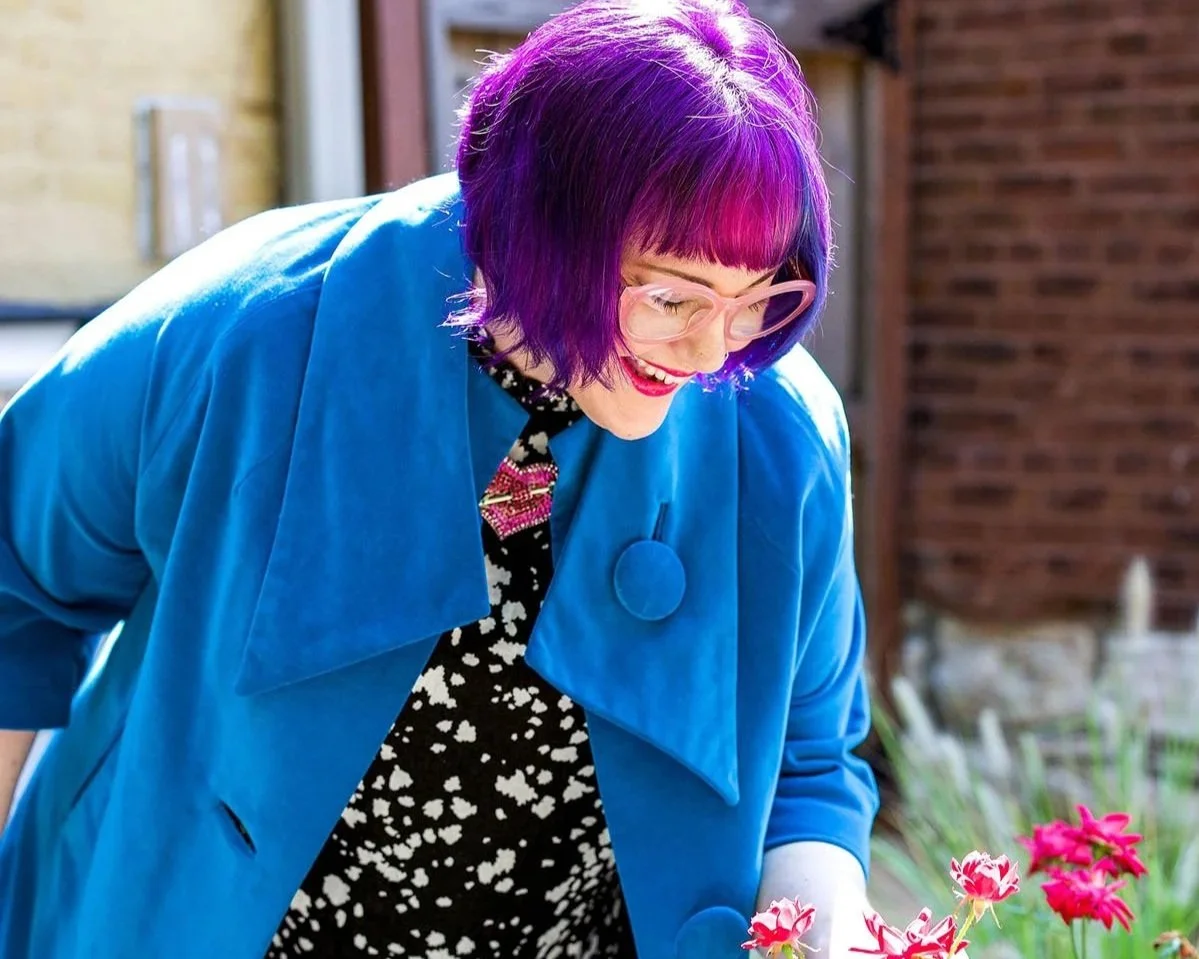


Hi, I’m the founder of Human Amplified. I’m Brandi Fleck, a recognized communications and interviewing expert, a writer, an artist, and a private practice, certified trauma-informed life coach and Reiki healer. No matter how you interact with me, I help you tell and change your story so you can feel more like yourself. So welcome!
Find More on the Blog
Topic
- ADHD
- AI
- Atlanta
- Black and BIPOC
- DIY
- FAQ
- LGBTQIA plus
- Los Angeles
- Nashville
- Seattle
- St Louis
- St. Louis
- UFOS/UAPs/ETs
- abuse
- accountability
- addiction and recovery
- adoption
- affirmations
- afterlife
- altered state
- angels
- animals
- anxiety management
- art
- astrology
- atlanta
- attachment
- awakening
- beauty
- behind the scenes
- being human
- body image
- body work
- boundaries
- brandi fleck
- breathwork
- bullying
- burn out
- burnout
- cancer
- career
- caretaking
- chakras
- channeled
- clarity-dive
- clarity-practice
- clarity-primer
- clean products
- coach
- codependency
Recent Blog Posts
Visit the Full Podcast Audio Archive

Affiliate


Spiritual practice can bring calm, clarity, and self-awareness, but it can also become a polished way to avoid what still hurts. In this guest article, Pat Crilley explores spiritual bypassing, emotional suppression, and how to tell the difference between true healing and performing peace.