
Interview By Brandi Fleck
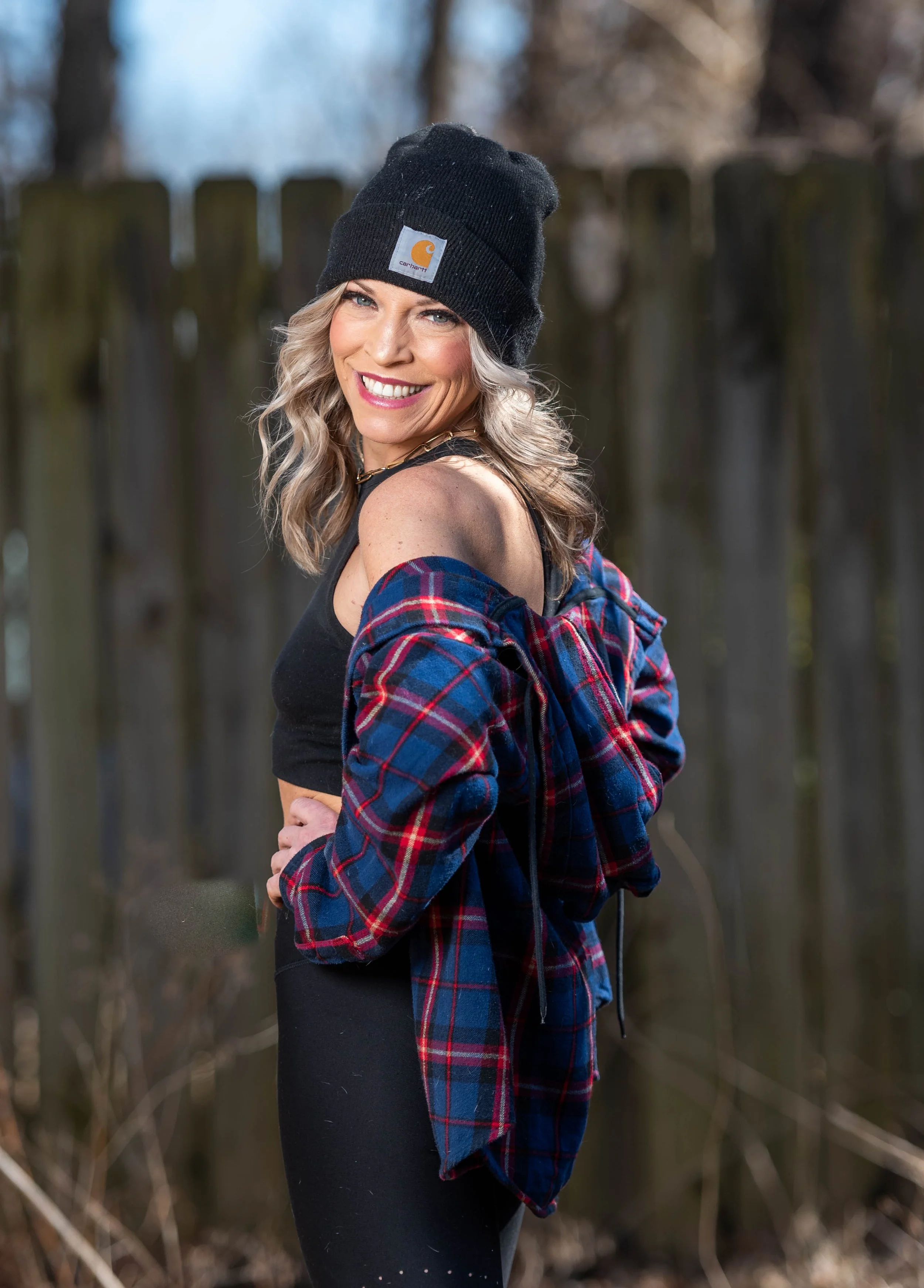
Functional nutritionist Samantha Lander shares how gut health, hormone imbalance, food sensitivities, chronic inflammation, and chronic stress can quietly affect how you feel every day.
You can eat healthy, work out consistently, and still feel exhausted, inflamed, anxious, bloated, foggy, or completely disconnected from your body.
Before Samantha Lander became a functional diagnostic nutritionist helping people heal chronic symptoms naturally, she spent years struggling with gut issues, hormone imbalance, food sensitivities, addiction, overtraining, and severe inflammation without understanding why her body felt so bad all the time.
In this episode of Human Amplified, Samantha shares the experiences that shaped her approach to health, from chronic illness and eating disorders to addiction recovery and rebuilding her life after federal prison. We explore leaky gut, parasites, brain fog, chronic fatigue, constipation, overtraining, food sensitivities, and why so many people normalize feeling terrible every day.
If you’ve ever wondered why your body still feels off even when you’re trying to do everything right, this conversation offers a grounded and honest look at what could actually be happening beneath the surface.
Listen to Samantha Lander’s Interview
Watch Samantha Lander’s Interview
Why You Still Feel Bad Even When You Eat Healthy
Samantha Lander: Hi, my name is Samantha Lander, and I'm from St. Louis, Missouri.
I think that people don't have a good understanding of how much better they could feel. It's not all about working out like crazy. People are so attached to food, like they're married to it. It's just learning how to swap whatever you're doing now with something a little cleaner.
It will always get better, and there's a reason why you're going through it.
Brandi Fleck: This month we've been focusing on themes of listening to your body, taking care of your body, and healing holistically. Several guests so far have even talked about how body dysmorphia, food restriction, and eating disorders fueled by traditional wellness activities have played into their lives.
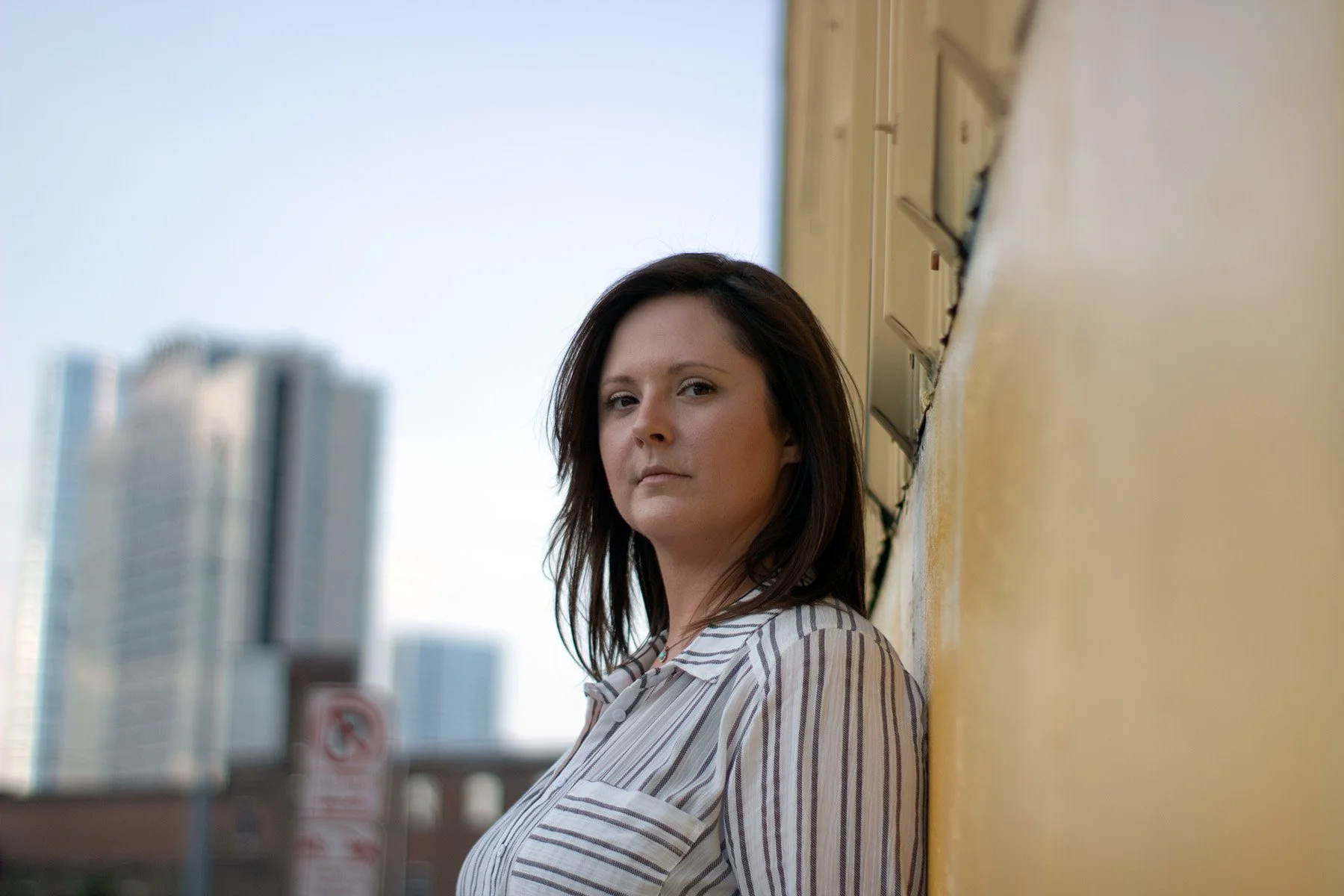
That's why I'm excited to introduce you to this week's guest, Samantha Lander, or Sam for short. Not only does she have similar experiences, but she's a St. Louis, Missouri-based single mom, personal trainer, and functional diagnostic nutritionist who DJs on the side.
I don't know if she would say this, I think she probably would, but I would definitely say she's not your traditional nutritionist.
Sam used functional nutrition to heal herself from allergies, food sensitivities, hormonal imbalances, and parasites. She's also founder of CFit, where she coaches people back to optimal health when they just can't quite put their finger on why they feel bad.
In this episode, we really explore Sam's life and the events that contributed to her feeling so sick before she got into functional health. We talk about everything from drinking lake water as a kiddo to a meth addiction and doing time in a federal prison.
However, Sam mainly packs in actionable advice for how you can clean up your eating habits, heal your gut, and make healthier choices. She gets deep into why most people feel bad regularly, what leaky gut is and how it happens, and what it actually feels like to feel good, something you may not even know you're missing.
Even if you're not sick, you'll come away from this episode knowing how food sensitivities form, how people get parasites and some ways to avoid them, tips for how to start healing your gut, tips for how to start eating clean at home and in restaurants.
Sam lists the most common foods to avoid that cause inflammation, and you'll even find out how many times a day you should be pooping.
All right, everyone. Today we are welcoming to the show Samantha Lander, and I will let her tell you a little bit about herself. But first, I just want to say thanks for coming on, and I'm excited to get to have this conversation with you today.
Samantha Lander: You too.
Brandi Fleck: How are you doing before we jump in? Just how are things?
Samantha Lander: I am good. I'm really good. I have my bumps in the road. It's really hard being a single mom with a difficult ex.
Brandi Fleck: Yes.
Samantha Lander: We just had a rough patch where my dog had a really big surgery, my ex had open heart surgery, my kid got kicked out of daycare. I really live the nitty-gritty, but then I gotta run two businesses.
When things are going well and my kid is in daycare or whatever he's in and things are good, great, life is good. But overall it's good as long as I love working, and so if I'm able to work, I'm good.
Brandi Fleck: Yeah. Okay, well man, sorry your kiddo got kicked out of daycare. That stinks.
Samantha Lander: It's the second time. He's the sweetest thing in the world. It's just he gets really overstimulated with large groups of kids, so we're trying to figure that out. He has a hard time calming down, so we're working on it.
Brandi Fleck: Yeah, trying to find the right fit.
You said you run two businesses. Can you tell us a little bit about yourself? Like who you are, what you do?
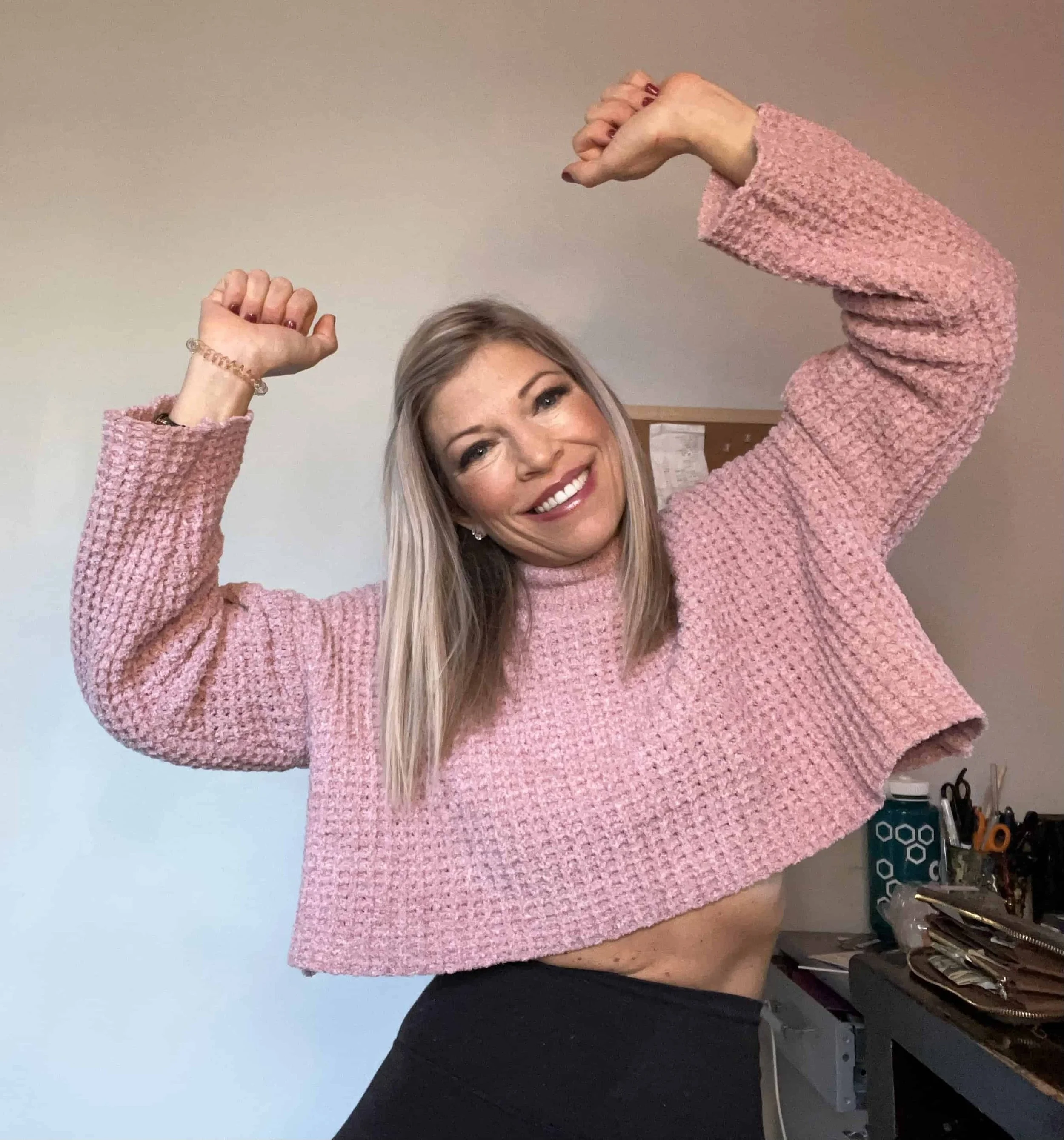
Samantha Lander: Yeah, so I am from St. Louis and grew up here. I went to University of Michigan, went to L.A. for a while, and then I came back here. That's when I decided that I wanted to become a personal trainer.
So I got certified in personal training, and this was in 2016, maybe 2019 I got certified. Also at that point, I was actually working at Support Dogs, so I was helping train dogs to be support dogs at the time. It's kind of funny, so we can touch base on how I learned to do that later.
But I was trained to do that at a certain point in my life, and I started personal training and was really, really successful. I ended up making six figures by the second year of training.
Brandi Fleck: That's awesome.
Samantha Lander: I got really lucky. I had a really great niche of people. I trained all ages, but my thing was young high school girls. I trained in kind of a wealthier area, and a lot of the girls, some were athletes and some weren't, but a lot of them weren't athletes. Their parents wanted them to get involved in something.
So my sort of 3 p.m. until 6 or 7 p.m. was groups. I did small group training, and it was groups of high school girls basically that whole evening.
Brandi Fleck: Okay.
Samantha Lander: Which is very rewarding but very draining at the same time. You get to really see the nitty-gritty of body image and eating disorders and boys. These are all very smart girls. They're all going to the top private schools in town.
That was hard on my health, and that's kind of a little bit of what led me into some of the other stuff that I ended up doing.
So that was my one business, and I was sort of that trainer where I could get results with a lot of my clients, but I also had some where they would kick their butt at the gym and do everything and eat right and get no results.
That's sort of where I was. I was really sick. I didn't feel good. I just felt like I knew something was off. My stomach always hurt. I just kept gaining weight. I worked out all the time. You couldn't pay me a million dollars to eat a cookie. That's how strict I was at the time, and something was wrong.
That's when I got into doing functional medicine on myself with a practitioner and then eventually realized that I wanted to be able to add that toolbox to my training with clients.
Why Exercise Alone Won’t Fix Your Health
Samantha Lander: Because it's not all about working out like crazy. Some of my clients, I told them to just stop working out for a while and just weight train, no more cardio, because it's so stressful on the body that you have to find the really good balance for that.
So I got certified as a functional diagnostic nutritionist, and that's when I kind of started that business. But I had so many clients that it was kind of like my side gig. That allowed me to run food sensitivity tests, adrenal and hormone panels, and do a lot of GI panels.
I did extensive courses in the gut and parasites and GI, SIBO, any of those GI infections, because that was the underlying stressor that I was dealing with with my health. So I realized, you know, I think I needed to figure that out with other people.
So those are my businesses.
Brandi Fleck: Okay, awesome. So mom, personal trainer, functional diagnostic nutritionist, and aren't you a DJ? Are you still a dancer?
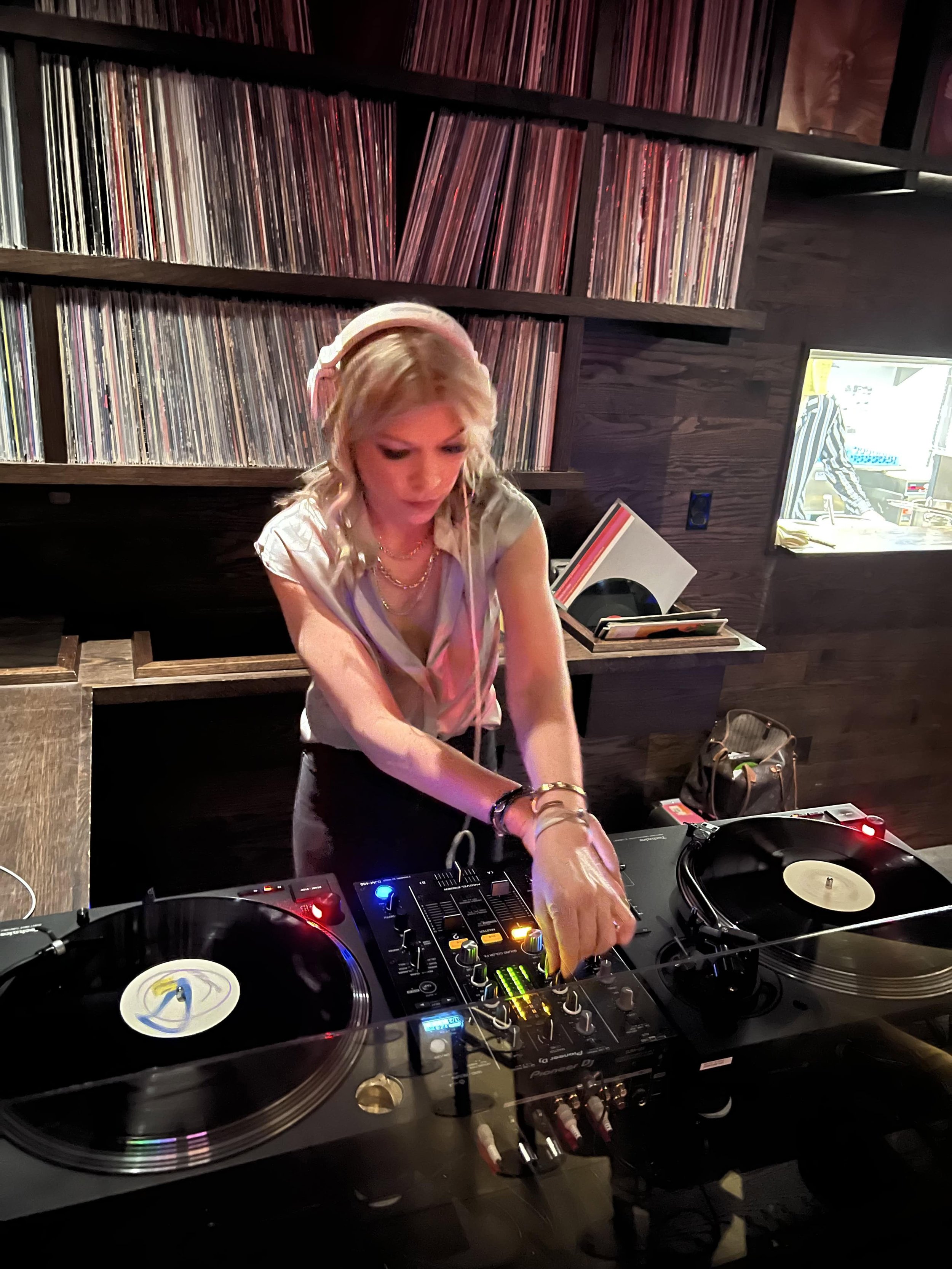
Samantha Lander: This is kind of funny. Actually, this Wednesday, so tomorrow night, is my first legitimate gig. I played some small little gigs here and there, and I knew it wasn't anything special, but I actually have a gig at a legitimate record bar tomorrow night.
Brandi Fleck: That's awesome.
Samantha Lander: We'll see if I make a little comeback. I'd love to play like twice a month just for fun. It's nice because the turntables are already there and everything. If I don't take anything but my records, I'm good.
But I still play all vinyl. I was a DJ in L.A. and produced music for seven years. My job fell through after college when I moved out there, and I just decided that was my thing. I was gonna do that.
Brandi Fleck: That's awesome. Okay, yeah.
Definitely I think later on in the interview we'll get into sort of how you made a leap from DJing to personal training and health and how it all fits together.
But let's jump into just sort of, I want to say generally, you help people with a lot of ailments. Is it safe to say that everything you do revolves around helping people feel physically good again?
Samantha Lander: Yeah, that's kind of my slogan or my buzzword, whatever you want to call it, marketing-wise. You know, “Are you sick and tired of being sick and tired?” Okay, let's optimize your health. Let's find a way to optimize your health.
A lot of the people I get have already been to doctors, or they just don't want to take a bunch of medicine and they know that's what's going to happen. They just want a really holistic approach on health. They just know something's not right.
I think it's sort of an age thing too sometimes. You get where it's like, okay, I'm not getting any younger. I need to figure this out because it's not like I'm gonna die early at this stage.
Why So Many People Feel Tired and Inflamed All the Time
Brandi Fleck: Do you think that the majority of people are walking through life not feeling good?
Samantha Lander: Oh, 100%. Gosh, I was just having this conversation yesterday. Yeah, I do. I think that people don't have a good understanding of how much better they could feel.
I used to strive for a perfect day. I wanted a day where I didn't feel bloated, I didn't feel really puffy, my hormones felt normal, I wasn't having my period left and right, I could sleep normally, I could go to the bathroom normally.
I guess kind of because I have that bulldog-like personality, I just knew something wasn't right. I was like, I'm gonna have perfect days. So I was just on a mission to do everything I could.
But I also became a severe introvert and got really, really depressed when I didn't feel good. I never went out. I didn't want to put clothes on. I think that happens to a lot of people. I think that's where a lot of the depression comes from.
Then people get medicated, and then they're still at home feeling like crap, they're just on medication. It's not all about weight and it's not all about looks, because I don't even know that I cared about that. I just knew I felt crazy almost.
I think a lot of my clients, until they have their discovery call with me, they feel so hopeless. Then we talk and they're like, “Oh my God, you get it. You get where I'm at. You get that it's not that I just have to take a pill because I have X, Y, and Z. It's actually just overall I need to optimize my health, balance my hormones, look at my gut, fix my diet, and maybe that's just the answer.”
It doesn't have to be so complicated. A lot of people don't know. Especially if I do a food sensitivity test, my clients, after the first four days of doing it, typically they're like, “Oh my God. I slept for the first time. I'm pooping normal.”
It's like I feel like I'm a miracle worker, and I'm really not. I had one recently that's like, “Oh my God, I had a funnel cake and I went to this circus thing and I wanted to die. I can't believe I felt like this every single day.”
Brandi Fleck: Well, can you describe for us, when you say people don't actually know how good they could feel because they're so far into it, what does it feel like to feel good? Can you describe it?
Samantha Lander: I think everybody's “good” is probably different. I can tell you from my perspective because everybody is different, but I feel like a lot of my clients would like this, especially my training clients hearing what they're talking about in the morning.
Brain Fog, Fatigue, and Hormone Imbalance Symptoms
To wake up, you feel refreshed. You don't feel foggy. You still have the ability to laugh, I think that's really important, and connect with people.
You go to get dressed. For me, I like it when I go to get dressed and I know that I'll put a pair of jeans on and it just feels right, or your clothes aren't uncomfortable.
When I was really sick, I was heavier, but I wasn't fat by any means. I held so much water and I was so puffy that it felt like I didn't fit in my own skin. So the days that I feel like I fit in my own skin, I know will be a good day. I don't have a stomachache or something like that.
For me, perfect example: recently I did a vaccine. I'm not an anti-vaxxer or anything like that, but I didn't want to do it, but I did it. I went back almost to where my sickest was.
Brandi Fleck: Oh.
Samantha Lander: Yeah. I was totally introverted. I ended up in the ER with a ruptured cyst. I felt like I was pregnant. I was sweating, night sweats, I wasn't sleeping, I was crying all the time. I literally felt like I was losing my mind.
I just kept saying, “Okay, it always gets better. It always gets better. I have the tools. I have the tools.”
So I ran all my labs, and I was severely estrogen dominant, which is my body's go-to under chronic stress.
I'm actually getting a lot of clients who did the vaccine who have worked with me before, and it's all of their old health issues that we may have worked through all coming back. So SIBO or some sort of GI infection or some sort of hormone imbalance has all been triggered by this. It's a stress response by whatever the vaccine has kind of done with their body. Their bodies can't handle it.
Brandi Fleck: Whoa. Okay.
Samantha Lander: Yeah. I got a little taste of what I used to feel like, and it was not good.
Brandi Fleck: Okay. So the vaccine has its pros and cons, and for sure we don't have to belabor it, but I am interested to know, is the stress response because your immune system is kicked into overdrive when you get it?
Samantha Lander: I don't think there's been enough theories on it. That's my theory, sort of. I got so sick from the vaccine, those nights or whatever. I've never had a fever. I've never had body aches. I don't get sick, so I didn't know what that felt like.
I couldn't even get my phone to call my parents to see if I was going to be alone. I was like, my kid is here and I'm gonna die. I didn't know, and I didn't expect it.
So I think that just took my body over the edge. My life is pretty stressful. I try to keep it as balanced as I can, but I can't say that that's the answer. From my clients coming in and what I'm seeing with that, I just think it's really good for people to know that you do the vaccine and all of a sudden you're like, “I put on 10 pounds instantly.” I've been the same weight for years. I looked like I was pregnant. My boobs hurt. It was nuts.
I think for the average person who doesn't do what I do, they would just think, “Oh, I'm getting old,” or, “Oh gosh, COVID, COVID, I'm just getting fatter. I don't know. Maybe I need to work out more,” which is the worst thing they could do.
Then they start restricting calories, and then they stress the body out even more. So it's just educating people as much as we can that you should be aware of these symptoms and those solutions.
I took some supplements and went on progesterone, and I'm 100 times better. It's just nuts.
I'm just so in tune with my body. I think my goal is to teach people how to be in tune. That's why I'm glad my old clients are coming back, because they learned from what I did, which is great.
Brandi Fleck: That's a goal. Being in tune is really hard.
I know for me personally, I just got the booster a couple weeks ago, and ever since I've been in and out of the doctor with sinus issues, all kinds of swollen things, and nobody thinks it's related.
Samantha Lander: Oh, I bet. Did you have a lot of sinus infections as a child or anything?
Brandi Fleck: Yeah. I've been treated for allergies for years, and the sinus infections have gone away over the past couple of years, but now it's just like boom. It's horrible.
Samantha Lander: That's probably your thing. I feel like everybody has a thing that it triggers.
What it could be also is, I know that my allergies, I was that kid when I was little, like I'd go to camp and I'd be allergic to the horses and my eyes would be totally swollen shut. I'd be on every allergy pill under the sun. I almost died because the allergy shots were too strong for me. I was so sick as a kid.
I know that once I cleaned my gut up, it's so much better. Actually, after training clients all outside all last year, I think that really helped me because I was exposed to more environmental stuff, and it wasn't like taking allergy shots.
But this year I did a lot of gut work because it was COVID and I was locked down. I did every protocol. I did every test. I think that definitely helped. I did not have to take allergy medicine at all this year, which is literally crazy. I mean, it's the only medication I take, and I took Zyrtec all during COVID when I was outside. I mean, I was allergic to everything.
Why Healthy Eating Feels So Hard for Most People
Brandi Fleck: Yeah. Okay, well getting back into the state of humanity, I guess, and our health, why do you think people accept feeling bad just as though it's the way life is? Why do you think that acceptance is there?
Samantha Lander: Time, probably. It's a job. It's another job. It eventually becomes a lifestyle, but let's say I didn't know anything I do and I just went into it.
I'm trying to think of when I first went to a nutritionist. I remember learning how to eat healthy. That was work. I had to really think about what I was doing and the labels I was reading. There's a lot. You have to cook your meals.
Actually now you can buy anything, so you can buy your meals. It's easy if you can afford it. But I think time is a really big thing, and people don't want to take the time to do it because it's work.
Going to the gym is work. Eating healthy is work. Doing infrared sauna takes time. Doing red light takes time. Going to meditate takes time. It all takes time, and we're so busy.

I think that's part of it, and then not being educated, not having the resources to learn. But I feel like the resources are out there. You can go on Instagram and Google “eating clean,” and you could probably get enough information to have enough understanding to get somewhere.
Or the Whole30. I hate to say it, but the Whole30 takes out the top seven foods that are always on food sensitivity tests that I run.
Brandi Fleck: Okay.
Samantha Lander: So you're already ahead of the game there. Almost every test that I run has soy, eggs, cow's milk, sugar, wheat. Those are all on there. So you take those out, you're going to feel better.
Brandi Fleck: Well, I totally agree with you on the time thing. I think you hit the nail on the head. But then when it comes to taking things out of your diet like dairy and eggs and things like that, why is it such an issue?
Food Addiction, Coffee Dependence, and Comfort Eating
Samantha Lander: People are so attached to food. It's like they're married to it.
Brandi Fleck: Yeah.
Samantha Lander: When I tell people they can't have coffee, oh boy, you better watch out.
Brandi Fleck: That's a tough one.
Samantha Lander: Yeah. I think it's comfort. They're comfortable with it. They don't feel bad enough to get rid of it. That's the only thing I can think of. Or they don't know how good they could feel.
I know for me, I felt so bad you could have told me to go eat dirt and that would cure me. Remember all the stuff when they put the poop in you and they fix your gut by eating someone else's clean poop to repopulate your colon? I would have done anything. I was so sick.
Brandi Fleck: I didn't even know that was a thing.
Samantha Lander: Oh yeah. It's actually really, it can save lives, especially Crohn's and colitis.
Brandi Fleck: Oh wow. Okay.
Samantha Lander: It's like these poop pills. They take someone else's poop and put it in you to change the bacteria.
Brandi Fleck: Yeah, the microbiome of everything.
Samantha Lander: Yeah.
Brandi Fleck: This is a perfect time to sort of transition into your healing journey. I would love to know more about just how you went on your healing journey. Can you detail the beginning and sort of just give us details what you went through?
Samantha Lander: We can go all the way back. I had chronic sinus infections as a child, so I was on probably tons of antibiotics. So right there, that wiped out my gut.
I was breastfed. I was a vaginal birth, which is great. My parents ate pretty clean. I was that kid that could never trade my lunch for the life of me. I had a whole wheat sandwich, apples, and if I got a homemade cookie that was a big deal.
I didn't get Fruit Roll-Ups. I would go to my friend's house and binge on that stuff because I never had sugar at my house. I had a deviated septum, and that's part of it. I just had a lot of sinus problems, a lot of allergies growing up.
I know in fifth grade I had severe stomach problems. I try to think back what it could be caused by. My parents had a lake house, so I swam in a lake all summer. Swallowing that water, who knows what's in that? If I already have a gut that can't pass things through, there you go.
I went to camp. I camped outside. I did backpacking. I did all these outdoors wilderness courses. I was just eating a lot of dirt, I'm sure, and exposed to a lot. If my gut couldn't flush it out, maybe that's it. I don't even know.
But fifth grade is where my stomach problems got really, really bad. So they started medicating me with, I was on something called Belladonna, which is this weird herb that they used to put under kids' pillows so they wouldn't have nightmares, I believe.
Brandi Fleck: Okay.
Samantha Lander: But it would relax the small muscles in your gut so you don't have, they called it IBS. I got diagnosed with IBS, so they thought it would relax it and I'd go to the bathroom right. I always had bathroom issues.
So it sort of started there. I was always a big-time athlete, so I was always stressing my body out there too. I went to state for swimming. I was one of the number one rowers in the U.S. eventually in high school. I did synchronized swimming for seven years and won everything with that.
Brandi Fleck: Every sport that you did.
Samantha Lander: I know, right? I don't know that I liked the sport.
Then when I became a rower, it was just super hardcore. I know my junior year I remember I had to go on a super strict diet, which kind of led into a little eight-month eating disorder.
I had to restrict everything I was eating, and that's actually, I hate to say, the best I've ever felt because I was eating so clean. But I also took it too far.
I'm really good at doing things well. You have me do something, good or bad, I will do it well, which you're gonna hear in the story.
So I just felt like I knew I felt better. I guess I just wasn't eating anything and everything.
Then eventually I got out of all that, and I was fine for a while. I went to college, and that's when I was free to eat whatever I wanted for the first time in my life. I dated a football player and I put on a ton of weight and drank and did the typical college thing.
I went to Michigan. I ate like a Division I football player. My boyfriend was a 310-pound nose tackle, so I always felt small.
That's when I quit rowing and I wasn't into sports. Eventually I kind of found my way back, and I became a spinning instructor. I got back into sports, got back into everything, running, and things were good.
Junior year I started visiting a lot of friends out in California, and that's when I started getting into partying. There were a lot of gay men. Nothing against, it's not categorizing everybody. Parties happen whether you're gay or not, but that's kind of where I was at.
I started using a lot of drugs. I started partying a lot, and I actually think that's almost sort of the best I felt again because it was like I could eat whatever I wanted, I never had any stomach problems, I didn't care, I felt good, I was doing really well in school.
But I was also self-medicating with meth, so that was the glamorous drug out in L.A. at the time. It was kind of like the cocaine associate. It was not the St. Louis, Jefferson County, “I'm gonna blow up your trailer” kind of thing because I didn't realize that was going on here until I moved home.
I'd been diagnosed with ADD and ADHD when I was younger, but the medication always made me feel like crap, so I never took it. I never liked to take medicine. It's the weirdest thing. I do drugs, but I won't take any medicine.
Brandi Fleck: Yeah.
Samantha Lander: My dad was a doctor. We had everything around. I never abused that ever in my life.
Eventually I started launching a liquor, and I had about seven jobs at this time. I was making a ton of money in college. I worked for a ton of families, but I also helped launch VeeV, so it was the first micro-distilled vodka made in the U.S. It was like Absolut flavored vodka, but it was the first one basically. It was this blueberry vodka.
So I started promoting at a lot of clubs and getting this out, and I loved it. I was supposed to move to California to work with a distributor to do that. I had a house in L.A. that I was supposed to house-sit for this actress, so I moved out there.
At the end of the day, that job fell through, and that's when I decided to become a DJ. I started DJing and producing music.
As far as my health, I think that I was probably not really aware of feeling bad or not. I don't ever remember my periods being bad, even when I was younger. I don't remember ever having cramps. I don't remember ever having acne. I don't remember anything weird like that that I would ask a lot of my clients about.
So then I became a DJ, but then the drug thing kind of grew. That's when I also was selling drugs. I was out there and I started selling drugs, and I was doing a lot of drugs.
Samantha Lander: I think that really took whatever could be going on with my gut and my health obviously to the next level. I'm sure my insides were trash.
From Addiction Recovery to Functional Nutrition
I was a very successful DJ. I did really, really well, but I got in a pretty abusive relationship. Basically I was just buying time because I knew it was sort of like when I tell my clients, “You're sick and tired of being sick and tired.” I knew at some point I'd be sick and tired of being sick and tired, and then I would make a change. I just had to grin and bear it until I was literally ready to do it.
Brandi Fleck: Yeah.
Samantha Lander: Finally I checked myself into rehab. Prior to that, I guess I should probably fill you in on this part, my house got raided. I ended up having a full SWAT raid at my house, and I was sort of looking at state time in California and federal time.
My guy had gotten busted, and things just sort of trickle down. Someone said something, and then that's what happened.
The weird thing is I quit selling drugs three weeks prior to that, which is the strangest thing. But my ex had brought eight gallons of GHB, which was the big. It's like the date rape drug, but you drink it and it's a club drug in L.A., into my house and I did not know. So they tracked it and they followed it, and that's what happened.
Brandi Fleck: Oh man.
Samantha Lander: So that happened, and then I got out and I checked myself into rehab. I was done. I was on a pink cloud. I was happier than I'd ever been in my life. You could have put me anywhere and I would not have cared.
So going to jail was not, I just was so happy to be sober. I ended up doing some California time and then I moved home.
I ended up getting federally indicted, so I ended up doing two years in federal prison.
Brandi Fleck: Okay.
Samantha Lander: Like I said, when I do things, I do them well. I mean, I guess I did get caught, so I didn't do it that well.
Brandi Fleck: You really went all in.
Samantha Lander: Yeah, right. That kind of happened. I moved home and I had some time before I actually got indicted. I was working at Ann Taylor Loft, I was working at a music studio, I was going to work on some music production stuff. I still wanted to be in the music industry, but I was just sort of finding my way.
That's when I decided, when I was in prison, I worked out a lot. Like, too much. I would do cardio in the morning and cardio in the afternoon, and then on nice days you'd walk around this track like a little hamster. I'd walk like 12 miles on the weekends during the day. It was just insane.
I worked there. I learned how to do everything under the sun. I was at a camp, so I'm licensed to drive a genie boom, a backhoe, a road grinder, a bulldozer. You name it.
I was working out basically, bringing in the garden. I made the best of my time that I could.
Brandi Fleck: Yeah.
Samantha Lander: But I got out of there, and that's when I decided I was going to become a personal trainer.
So I got my job back at Ann Taylor Loft. I got certified in personal training. When I was in there, I got certified to train dogs as helper dogs, and that's why I was working at Support Dogs.
Brandi Fleck: Okay.
Samantha Lander: Support Dogs was the company that came in and trained us so we could get out and have jobs. A lot of women get out and they don't have jobs. So if I needed a job, I could have gone and worked for this company and helped them train these dogs to be support dogs.
So I worked there too, and that's when I just became a personal trainer. The owner of the gym that I worked at was in recovery, and he sort of took me under his wing. The owners were just amazing to me. My parents had trained with them for years and years, and that's where I started working.
I rocked it. It was crazy. I had absolutely nothing, and then I bought a house and was doing great.
But I still didn't feel good.
So when I got out of prison, when I was in prison, I had chronic acne, so bad all over my face. They did this soy diet at one point where we all thought it was super healthy, so I was literally just eating soy, what looked like ground meat but it was soy. It was so bad.
I went on tetracycline when I was there, which is a really hardcore antibiotic, for at least six months. So there goes my gut even more.
I had a compromised gut. I've never healed my gut my whole life, so I guess I'm kind of lucky I made it this far.
But I got out, and when I became a personal trainer that's when I realized I had chronic diarrhea. I felt like crap all the time. Then eventually I was getting my period maybe two weeks on, one week off. My period was so messed up.
I tried to go on birth control maybe and then went off. I had an IUD. I thought maybe it was that. I took that out. I had chronic UTIs.
That's when one of the trainers said, “Hey, I know this guy Kyle. You need to run a food sensitivity test.”
So I ran that test, and I ate so clean, and I probably had, if you run it, it's 100 tests now for 175 things. I think at that point it was 150. I probably had 50 things on it, which is a lot.
Within the first week of being on it, I lost 18 pounds of just inflammation and water. Not weight. It wasn't even about that. It was just so much inflammation on my body.
That really helped. I felt great, but then I kind of hit a roadblock again. That's when I ended up doing a parasite test, and I ended up having two parasites.
Then eventually I did adrenal and hormone panels. At that point it was a spit test, so I did that. I went on bioidentical hormones. I was super estrogen dominant. That's my go-to.
Being estrogen dominant is no fun. It's like the worst feeling in the world because I've been progesterone dominant, and I can definitely say that estrogen was way worse.
Brandi Fleck: Okay.
Samantha Lander: It was definitely very emotional for me. I remember going on all the supplements and all the medication, all the bioidentical hormones and stuff, and I quit working out. I lifted some weights, I stopped all cardio because I was overtraining and my cortisol levels were so low.
Within the first month or two, I have never had such good energy. At one point, going to the grocery store was like running a marathon for me.
That's what I tell people: “Do you feel like when you go to the grocery store it's like running a marathon?” They're like, “Yes.”
I go, “Do you feel like you can't finish a sentence and you suddenly have been diagnosed with severe ADD?”
They're like, “Yes.”
It's all that brain fog and stuff.
I did really well for a while, and then I ended up breaking up with my ex-fiancé and then got food poisoning. So it's like a double whammy, and this was in a two-week period. Everything went bad again.
That's when I was like, I'm sick of this. I'd worked with enough practitioners, and I had spent so much money on doctors and practitioners, thousands and thousands of dollars. I was like, “You know what? I need to have this tool in my toolbox. I need to learn how to do this. I feel like I can almost do this better than some of the practitioners I'm working with. I'm gonna take a course and I'm gonna figure this out.”
That's when I did the FDN course and I got certified to be an FDN practitioner and went through all that. Then I did some courses with a woman in London on the gut, like how to read faces and tell signs of disease with the face, parasites, SIBO.
Taking the time with her, she's brilliant. Emma Lane. If she comes to the U.S. again, she's your girl for that kind of stuff.
That was kind of the breaking point for me. I just did it. I just started working on myself, doing it all on myself. I'd reach out to certain practitioners that I knew when I needed some advice or a second opinion on things.
I had a mentor with the program, so she would help me because they have you run everything on yourself, so it's perfect.
I kind of got healing work and I sort of got everything together. Bumps in the road for sure. It was really hard for me to get pregnant. I had fertility issues, so I've had to struggle through different things.
I ended up getting SIBO later. I ended up with another parasite, but I knew how to handle all of it.
I think the key thing that I always tell people is you can work with anyone, but if they don't, I could run a food sensitivity test with you every six months, but if you don't do the work to heal your gut, it doesn't matter. You're just gonna keep running the tests and keep doing the same thing because you've gotta look at the gut. The gut is the second brain. You have to look at the gut.
Heavy metals, I had mercury fillings. I had gotten those removed, so mercury is really toxic on the body. These are all kind of things that I look at for clients now and then kind of go from there.
Brandi Fleck: Yeah. Wow. Okay, so there it is.
I have a ton of follow-up questions for you.
Samantha Lander: Okay.
Brandi Fleck: First I'm gonna go with: how do people end up getting parasites? It seems like we're walking around with parasites, but we don't even know we have them. How do they get there?
Samantha Lander: I've run hundreds of parasite tests on people, so I'm trying to think of the top four things.
You don't wash your vegetables. If you have a compromised gut, you're not going to flush things out. So if you don't wash your vegetables, especially if they're organic. The thing is, the people who eat cleaner are actually going to have more bug poop on their food because there's nothing killing all the stuff on it.
Brandi Fleck: Yeah.
Samantha Lander: Okay, I've done so well not cussing till now.
I think if you have food poisoning, that usually will do something to your gut, either a parasite or you will get SIBO. One of the top causes of SIBO, obviously overuse of antibiotics, but food poisoning too.
I'm trying to think of what else. Sushi. Sushi is covered in parasites unless it's blast frozen or crazy fresh, and so you can't pass them through.
Here's the thing with parasites: they see in x-ray vision, sort of like night vision. So let's put some night goggles on and I look at two people standing on the street. If one has this green, cool temperature and then one is more orange and red, they're gonna go to the orange and red because they know that that host has some sort of infection or is inflamed or is not as healthy as the person in blue.
So parasites live off of their hosts. They know that if they're in your body, they're going to be able to stay or not. That's kind of my blanket term. I know it's more complicated than that, but yeah.
Brandi Fleck: Okay. Well that was really helpful to know.
Man, sushi. I love sushi so much.
Samantha Lander: I know. Honestly though, if you look at the ingredients in sushi and you look at the ingredients in a McDonald's hamburger, I think the hamburger might be better.
Brandi Fleck: Oh wow.
Samantha Lander: Even like Whole Foods sushi, because the sugar, the soy, the gluten.
Brandi Fleck: Yeah. Okay, speaking of, so now let's talk about healing your gut real quick.
What does that, for people who aren't versed in this, what does that even mean? Then I wanna follow that up with why gluten is such a big deal for people.
What Causes Leaky Gut and How to Heal It
Samantha Lander: Okay, so healing the gut. If you've heard of leaky gut or intestinal permeability, what happens basically over time is you have all these microbiomes in your gut, and through poor diet, picking up parasites, whatever it may be, those start to break down.
As those break down, they're going to go right to your intestinal wall. With your intestinal wall, you have these tight little junctions, and they sort of protect things from going into your bloodstream.
So with poor diet, taking medication, whatever it is, these become very inflamed and these junctions kind of open up, and the food and all these other things kind of travel through and go into your bloodstream. That's your leaky gut there, when your intestinal wall becomes very permeable.
So there's kind of these gaps and holes in it. Typically that's what we need to heal. We need to get the microvilli back. We need to heal the permeability in your gut. I think that's kind of the priority for me when it comes to healing the gut for a client.
Obviously you're going to heal everything in there with the supplements that you use. Bone broth is a great one, like a DIY-at-home bone broth. Drink a ton of it. Don't get regular broth, get bone broth. Make sure there's no sugar in it.
L-glutamine is a great one, but you gotta be careful if you have SIBO. You gotta make sure you don't have that because the bacteria sometimes can grow more. But glutamine is one.
There are tons of herbs that you can take. I love to use something called GI Revive from Designs for Health. I just sell that on my online store for my clients. We kind of go through that. It has all sorts of herbs in there.
But first you gotta kind of eradicate whatever's in there and figure that out, and then heal it. That's kind of my process.
Brandi Fleck: Okay.
Samantha Lander: Then you go and you eat certain foods that basically help your gut. You can take certain supplements, anything that's going to, collagen, things like that. Anything that's going to help rebuild the tissue and help your gut get better.
Then run a GI panel. Make sure you don't have H. pylori, make sure you don't have parasites, make sure you don't have candida, make sure you don't have SIBO or some sort of fungus. You gotta make sure you don't have any of that other stuff going on because you can work on healing it, but you gotta get rid of the infection.
I think that's an important piece to the puzzle, but there are various ways you can do it.
Brandi Fleck: Yeah. Well, then with gluten, you brought up gluten. Why is it such a problem?
Why Gluten Causes Inflammation for So Many People
Samantha Lander: I think that with gluten, it's a super inflammatory food for people. It's a grain.
A lot of my clients will be like, “I went to Italy and I ate pasta the whole freaking time and I'm celiac or I can't have gluten.” But the wheat there is so much cleaner and so pure compared to the wheat here, which has been so processed and so sprayed with pesticides and so contaminated that it's not even like, it's wheat, but it's wheat with a bunch of other crap.
Brandi Fleck: Yeah.
Samantha Lander: Personally for me, especially running all the food sensitivity tests, I don't see wheat on it as much as I used to.
Brandi Fleck: Okay.
Samantha Lander: So I don't know if people are getting more into this gluten-free craze or what. I think that celiac has definitely become more of an issue with many people.
I think it has to do with whatever you do as a child and whatever your diet is like as a child in combination with your genetics. I think that if you're bombarding your body with toxins really young and poor diet, I think that's going to cause a lot of inflammation, a lot of autoimmune conditions, a lot of other things that are going to happen later in life, even if celiac doesn't show up.
Brandi Fleck: Yeah.
Samantha Lander: I think it's possible to fix it. I think you just have to work on the gut. It just takes a lot of work.
For me, if a client ends up having a test that doesn't have gluten and they're clear with everything else that would be in the product, I'd say fine. If you want to have a meal on Sunday and have really good sourdough that's super clean, go for it. It's fine.
But obviously if it comes up as a reactive food or they have celiac or something like that, then no.
There's a lot of people that would completely disagree and think gluten is 100% crazy inflammatory. I do think it's a really inflammatory grain. I don't think it's very clean here in the U.S., so I always recommend not doing it. I think there are other options these days that are just as good.
I think corn is worse. I've never had anyone not have corn on their food sensitivity test. It's a filler. It's in everything. It's inflammatory. It's GMO. It messes with your blood sugar.
Personally, I think corn is way worse.
Brandi Fleck: Yeah, and I feel like it used to be healthy, corn. Do you think that it's gotten worse because of the GMO stuff?
Samantha Lander: I guess it's just so cheap. Then high fructose corn syrup was in everything. At least they've pulled that out of a lot of foods.
Now everything's gluten-free, so everything that's gluten-free has corn in it because corn is gluten-free.
Brandi Fleck: Ah.
Samantha Lander: So you buy a tincture that's gluten-free, let's say I have a client, “Go buy a wormwood tincture to kill a parasite.” Make sure the tincture isn't a corn base because they want a gluten-free one, and it's gonna be corn-based.
Xylitol, which is in all the gum, it's derived from corn. Everything is derived from corn, even the healthy stuff.
Brandi Fleck: Oh my gosh.
Samantha Lander: Everything gluten-free. Corn tortillas, Cheetos, Tito's vodka. “Oh my God, it's gluten-free, it's so great.” It's corn. So it's just cheap and it's a filler.
How to Start Eating Clean Without Restrictive Dieting
Brandi Fleck: How do you eat clean? How do you navigate all of these processes? Is it possible to eat completely clean?
Samantha Lander: Yeah, it is. It's just like taking a course and educating yourself on something. I personally would just do the food sensitivity test because it's easy and then you don't have to play the guessing game.
However, if someone were listening to this and I would recommend things to remove and start there, I would say anything that you eat all the time, get rid of, because most people, if you eat the same thing over and over, you create your own food sensitivity to it.
So it's not an allergy. I'm looking at food intolerance, food sensitivity. These are not allergies.
If you drink coffee and creamer every single day, get rid of it. Then I would say cow's milk, corn, soy, eggs, sugar, and then we can throw wheat in there.
Because a lot of people react to wheat, but those are the most common things, which is basically like the Whole30. So I would take that out.
But if you eat chicken every single day, some people just love chicken and they eat chicken like crazy, take the chicken out. Put turkey in to switch it.
Then read your labels and just pick whole foods. If you can't pronounce it, don't eat it. I think that's important.
When you go to a restaurant, there are so many clean restaurants out there now, and they have such a good understanding because everybody has these food restrictions now.
I think that if you order, “Hey, I would love to have a piece of salmon. Can you just cook it in olive oil, please?” If you can have cow's milk, maybe butter. Then have the vegetables steamed. Just don't put anything weird on it. Sauces on the side, stuff like that.
Then you can navigate everything pretty safely. If sauces are on the side, you probably will eat less of them.
Ask if there's sugar in things. Obviously if you're eating Chinese food, you're gonna get salt, you're gonna get everything. But you can do a burger without the bun and have it be a lettuce wrap.
If you want pasta, just do a rice pasta, not a corn pasta and not a wheat pasta.
I think it's just learning how to swap whatever you're doing now with something a little cleaner because it's so much easier now than when I started.
I can go to Whole Foods and walk out of there with bags of desserts that are completely clean that we could both eat and not have a problem. Back when I was doing it, I would have to make everything if I wanted it.
I love Hu Kitchen chocolate. There's no soy, there's no dairy, there's no sugar, and it's freaking amazing.
The SmartSweets gummy candies, the new ones, there's a little bit of carbs and stuff like that, and there's some inulin, which is derived from a sugar source, but it's still super freaking clean. You're not going to get that insulin spike that you would get from eating a bunch of candy.
Brandi Fleck: All right, well man, thank you for all this advice. I feel like you've given us a lot of actionable steps to even take if somebody's just ready to stick their toe in and sort of test it out. So that's great.
How would you describe your life now after all that you've been through and where you're at? How would you sum it up?
Samantha Lander: I'm still going through it. I don't feel like it's gone. It's easier in different ways, and it's harder in other ways.
I don't regret anything I've done in my life except for buying a 15-foot blow-up pool during COVID. I can tell you right now that's probably one of the worst mistakes I've ever made in my life.
Brandi Fleck: Oh, why was that a mistake?
Samantha Lander: Oh my God. I flooded the backyard like 12 times. If you don't put one of those above-ground pools on a completely flat surface, they will tip, even if it's this much off.
I literally had to dig a hole. I had nothing to do. It was so bad. I dug a hole, bought 2,000 pounds of sand, filled that hole, leveled it out. My kid didn't like the pool. Every time I went back there I got eaten alive.
It was awful. I ended up selling it for like double what I got it for, so I guess that worked out, but it was awful.
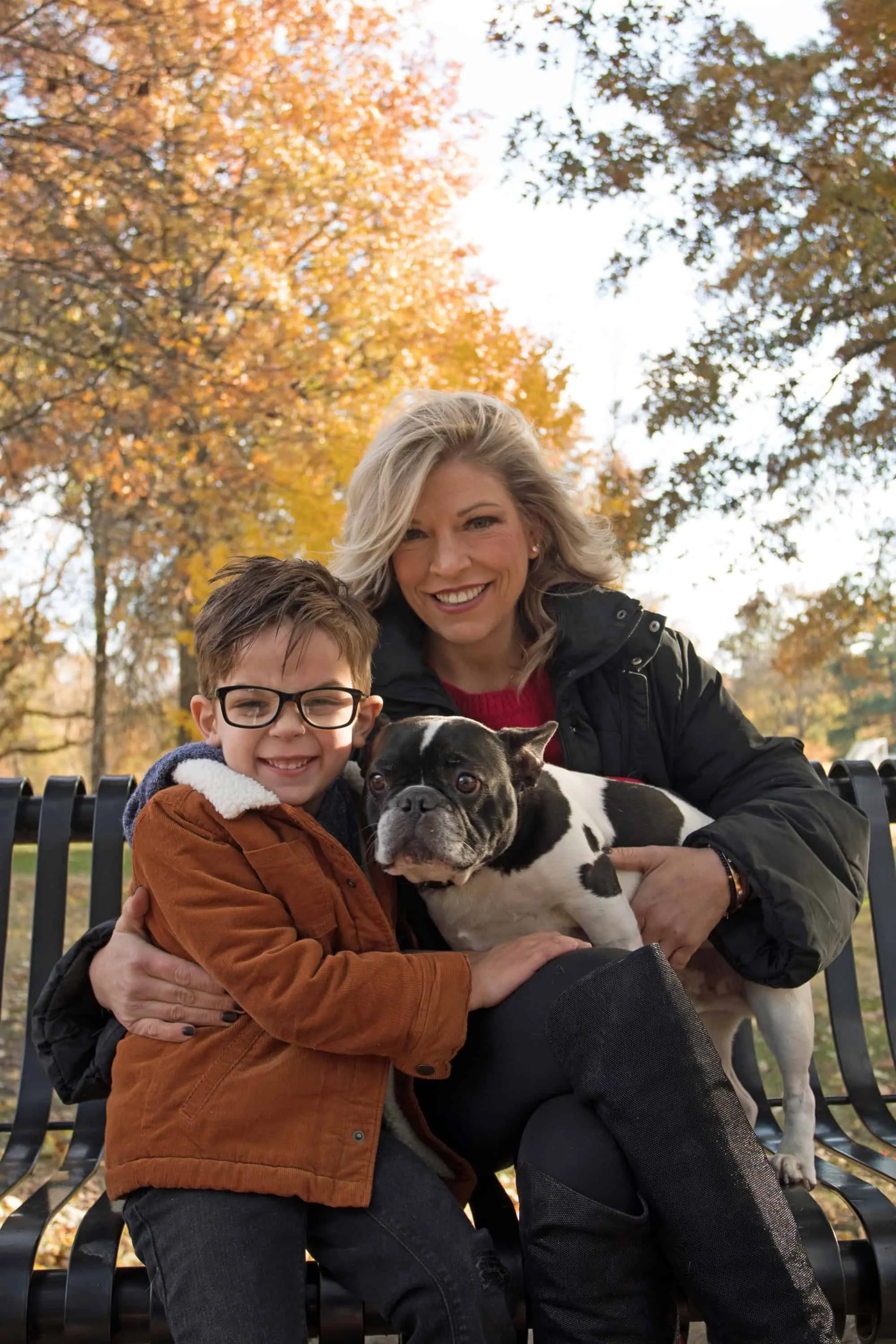
My life now, it's good. I have a lot of perfect days, as I would say. Obviously I'm dealing with more of the kid and single mom struggles, things like that.
But my health, except for the little bump in the road with the vaccine, has been really good. I learned from it. It's all educational for me.
I'm doing really well. I'm really happy. I'm really focusing on the functional, on the FDN practice now. I train people, but my focus is the FDN, and I can work nationwide.
I don't love social media, but I love it. That's basically what runs my business, but I love some of the creativity that I can get behind with that, doing the reels. I wish I had more time to do reels.
But they're hilarious. I think it's the funniest thing in the world. I crack myself up. I'm like, “Am I really filming myself on a toilet to get clients?” Or am I dumping water all over myself and saying I have night sweats and filming this to try to get people to work with me?
But it worked. My biggest one was about not pooping and being constipated. I literally got like five clients from it because nobody poops.
Brandi Fleck: That's awesome.
Samantha Lander: Like nobody.
Brandi Fleck: Yeah, it's crazy. Well I'm assuming you know the answer to this. How many times a day is it normal to poop?
Samantha Lander: Two, but if you're doing it once a day, I'm good with that.
Brandi Fleck: Okay. Somebody told me once that you should go three times a day. What do you think about that?
Samantha Lander: Probably. I think that's you've got a really healthy metabolism and you're doing great. I mean, I'll go one, maybe twice a day. I am not a three-a-day unless it'd be kind of a rare thing.
But you shouldn't eat and run to the bathroom, and you shouldn't really go more than a day. It's super toxic on the body. I have clients that'll go weeks. It's just crazy, and they think it's normal. People think it's normal because that's how they were raised.
I had one client who thought it was normal because their parents were so weird about them pooping that they would just hold it, and they had to sneak it in as a child. So they just thought that was normal growing up.
Brandi Fleck: Crazy. Oh wow.
All right, if there was one piece of wisdom that you just had to get out super quickly to someone, what would that one piece be?
Samantha Lander: When it comes to running a business, I would say delegate to elevate, which is my goal right now. I'm not gonna get bigger until I can hire out and have someone help me grow.
You can't be a one-man show and grow as big as I want. Then, oh gosh, it's so cheesy, but God gives you what you can handle and you always get through it.
I can't tell you how many times I'm like, “What doesn't kill you makes you stronger.” Any of those things. God gives you what you're gonna be able to handle, and if shit's hard and you feel like crap, it will always get better, and there's a reason why you're going through it. It's just going to make you stronger.
It sucks when you're in it.
Samantha Lander: But I very rarely find that it doesn't. Usually it gets better. I don't know when, but it does, especially if you do your best to be your best self and are good to people and don't lie. I don't like liars.
Brandi Fleck: Speak for everyone. I don't either.
Samantha Lander: Yeah, I'm not big on that.
Brandi Fleck: Well Samantha, where can people find you? And the name of your business is SeeFit, is that correct?
Samantha Lander: Yep.
Brandi Fleck: And where can they find that and anything else you want to put out there?
Samantha Lander: So CFit Living is my handle on Instagram, and that's where I'm the most active. The next would be Facebook, where you can just look up Samantha Lander, which is my personal page, but I seem to be on both, still trying to get everybody to one.
Then https://www.facebook.com/seefitpt is my Facebook page, and then seefitpt.com to just learn a little bit more about me. That's my website.
Also, if you want to get on an email list, shoot me a message, DM me. I send out a ton of information through emails.
I'm going to start running seasonal cleanses, so it's a 30-day cleanse challenge, just kind of a great way to get your feet wet. You'll get information when that's coming out. I have one coming up this January, but by the time this airs it'll be over, so maybe the spring one you can join.
I usually do early enrollment and we do weekly webinars. I think that's a great way if you just want to kind of start but not do the full-blown thing with me.
Brandi Fleck: Okay, well guys, all of those links will be in the show notes, so be sure to go over there and check them out. Check out SeeFit Living and give it a try.
Samantha Lander: You can see my reels about poop.
Brandi Fleck: Yeah, exactly. It's really funny.
Thank you so much for coming on the show and just packing it full of helpful information. It was really great.
Samantha Lander: Well thank you for having me. I love being on podcasts.
Join the conversation!
Feel free to share your own experience and let me know if you have any questions in the comments.
Related Posts






Hi, I’m the founder of Human Amplified. I’m Brandi Fleck, a recognized communications and interviewing expert, a writer, an artist, and a private practice, certified trauma-informed life coach and Reiki healer. No matter how you interact with me, I help you tell and change your story so you can feel more like yourself. So welcome!
Find More on the Blog
Topic
- ADHD
- AI
- Atlanta
- Black and BIPOC
- DIY
- FAQ
- LGBTQIA plus
- Los Angeles
- Nashville
- Seattle
- St Louis
- St. Louis
- UFOS/UAPs/ETs
- abuse
- accountability
- addiction and recovery
- adoption
- affirmations
- afterlife
- altered state
- angels
- animals
- anxiety management
- art
- astrology
- atlanta
- attachment
- awakening
- beauty
- behind the scenes
- being human
- body image
- body work
- boundaries
- brandi fleck
- breathwork
- bullying
- burn out
- burnout
- cancer
- career
- caretaking
- chakras
- channeled
- clarity-dive
- clarity-practice
- clarity-primer
- clean products
- coach
- codependency
Recent Blog Posts
Visit the Full Podcast Audio Archive

Affiliate


Spiritual practice can bring calm, clarity, and self-awareness, but it can also become a polished way to avoid what still hurts. In this guest article, Pat Crilley explores spiritual bypassing, emotional suppression, and how to tell the difference between true healing and performing peace.