
How a Stage 4 Ovarian Cancer Survivor Learned to Heal
Interview By Brandi Fleck
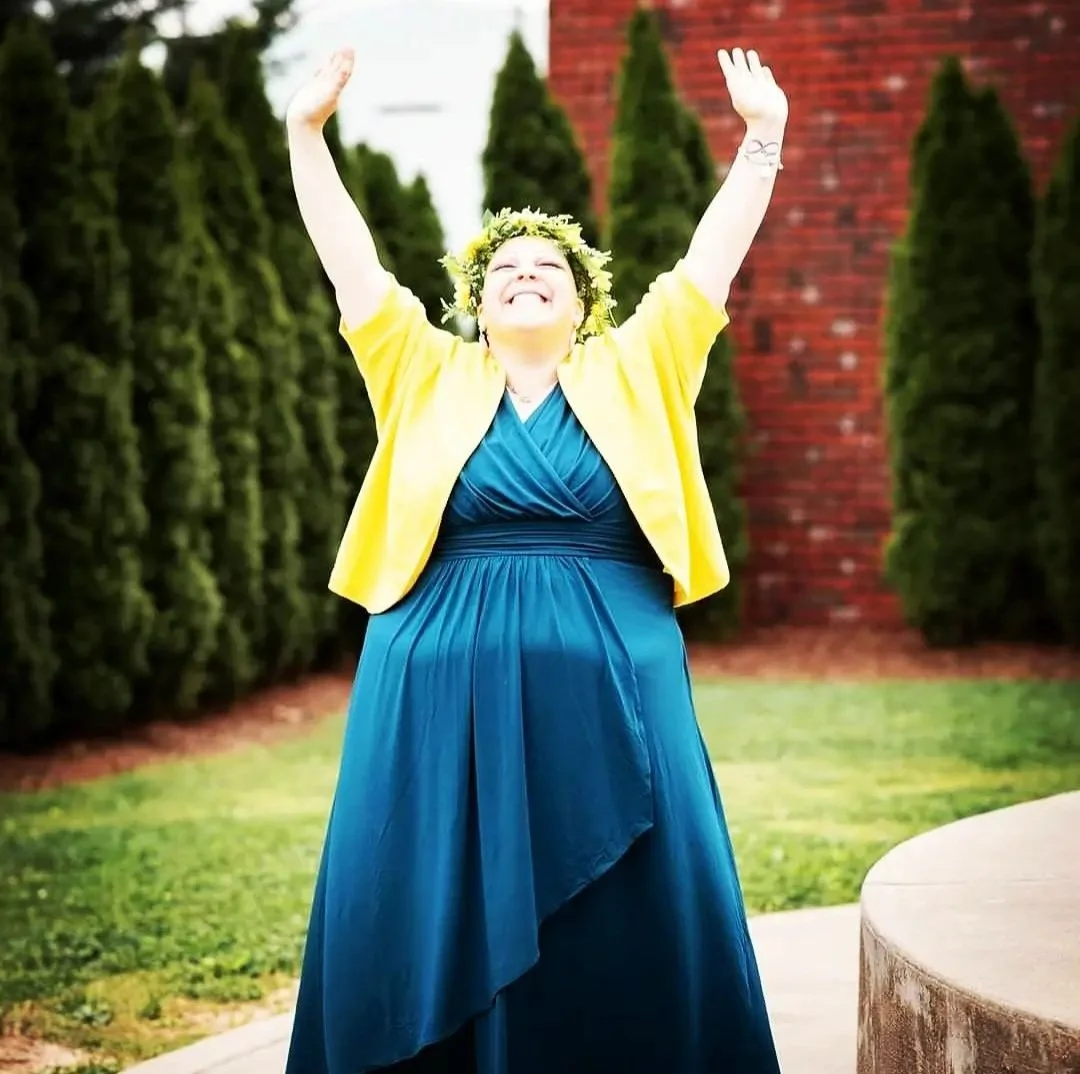
Stage 4 ovarian cancer survivor Cheyenne England shares how early symptoms, intuition, and a powerful mindset shaped her healing journey.
Most people don’t expect a life-changing diagnosis to begin with something subtle.
Maybe it’s a shift in energy or a few physical changes. The kind of symptoms that are easy to explain away or be told are nothing to worry about.
Cheyenne England shares what happened when she chose not to ignore those signals. Within a matter of weeks, she went from questioning what she was feeling to being diagnosed with stage 4 ovarian cancer and preparing for immediate surgery.
But this conversation isn’t only about diagnosis or treatment. What happens internally when life forces clarity? We explore the role of intuition in medical decision-making, how mindset shapes the way we move through uncertainty, and what it looks like to stay grounded in the middle of something that could easily pull you apart.
If you’ve ever questioned whether you can trust yourself, how to navigate a situation that feels bigger than you, or what it actually means to heal. Not just physically, but mentally and emotionally, this episode offers a perspective that goes beyond survival.
Listen to Cheyenne England’s Interview
Watch Cheyenne England’s Interview
Being Human Means Living Life to the Fullest
Brandi Fleck: I'm your host, Brandi Fleck, and this is Human Amplified. This is a show about our existence, our place in the world, what it all means, and ways to make it better. From big picture ideas that blow your mind to practical life advice, we explore it all.
We amplify the voices of healers, survivors, mystics, disruptors, scientists, creatives, and everyday people like you and me to expand our consciousness and use that awareness to evolve into who we really want to be in the depths of our soul. Humans amplified. Thanks for tuning in.
If you enjoy this episode, please go rate and review the show, and remember to subscribe where you get your podcasts and on YouTube.
Hey friends, research indicates that at least 70% of people in the US alone have experienced trauma. That means you've likely experienced trauma, and most of the people around you have too. Simply put, people need healing.
I believe that as humans, we have the capability to alleviate the suffering that we all believe is so inevitable, but getting there starts with healing yourself first. With self-compassion, intentionality, time, and repetition, I have a free workshop to help with that.
It's called Self-Healing: The Root. It's a self-paced online version of some of the foundational work I do with my clients as a trauma-informed certified coach and that I've also done to heal myself. It's designed to help you recognize and identify your specific nervous system responses and coping mechanisms to stressors. Then we build on that information to figure out the best ways you can regulate your specific nervous system responses when triggered.
Then we create a plan that will help you integrate through action what you want for yourself instead. Healing these trauma responses can help you show up in the world more fully as who you really are. I want you to love who you are.
By the way, who you are is not your trauma or trauma responses. You can register for free at brandifleckcoaching.com. Look for the free workshop option at the very top menu on the website. I'll put that link in the show notes if you're listening to the audio or in the description of the video if you're watching on YouTube.
But listen, this workshop is better suited for some than others depending on where you're at in your trauma healing journey. Be sure to read the guidelines on the signup page before you register to help you decide if this workshop is for you. If it is, I can't wait to see you there.
Y’all go ahead and grab your tissues now.
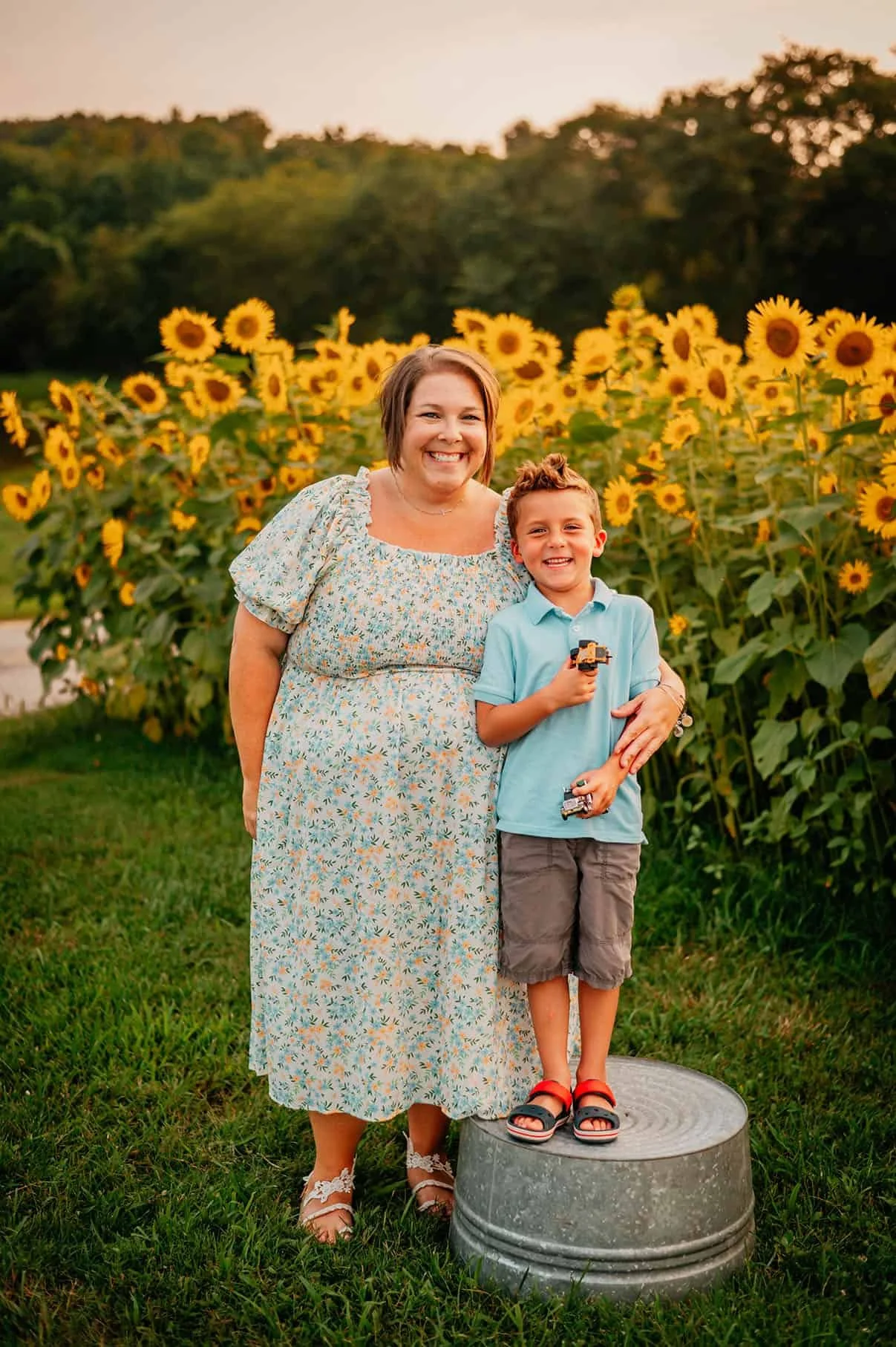
Today we're talking to Cheyenne England about her miraculous healing journey. In late October 2020, at 38 years old, Cheyenne was diagnosed with stage 4B high-grade serous epithelial ovarian cancer.
Cheyenne is not only a cancer survivor, but she's a mother, daughter, sister, aunt, friend, and teacher. She's been a teacher for 16 years in Tennessee, and she comes from a long line of strong women who have bravely fought cancer.
I'll go ahead and tell you now that she's considered cancer-free after she went through six months, which included a debulking surgery and six rounds of chemo, followed by two years of a maintenance chemo pill. But with how her cancer had spread and her family history of cancer, the odds seemed stacked against her.
As you listen to Cheyenne's story, you'll travel the ups and downs of emotions right there with her as she details what she experienced. From having to trust and advocate for herself when she thought something may be wrong, to a quick movement through the healthcare system, surgery, chemo, and at the same time healing pieces of herself from her sister's previous death from breast cancer.
After Cheyenne tells her story, she details for us the mental and emotional aspects of the journey, how she handled them, and what the absolute most important things were that helped with the healing process.
This episode is as much about mindset as it is about what actually happened. As you listen, you'll see how tiny things aligned at the right time to ensure that Cheyenne is here with us today. When you think about how everything had to come together in the way it did, it is nothing short of a miracle.
Then and now, Cheyenne's greatest joy is her son, whom she's been blessed to travel with this year, celebrating life and going on adventures before he starts school. She says they're not really making up for lost time, but they are getting some good quality time in that they didn't get to have when she was going through this journey. It was different then, and you'll hear about that in this episode.
Also, heads up, you'll hear Cheyenne's dogs barking through some of this interview because they totally wanted in on this inspiring episode. So let's dive in.
For the links mentioned in this episode, visit the show notes at humanamplified.com.
What does being human mean to you?
Cheyenne England: Being human to me is a lot of different things, but the first thing is to just live. In church, we talk a lot about living like Jesus and loving like Jesus.
I even asked my son, what does it mean to be human to you? He's five, and his answer was to be alive. So to be alive, to live. To me, that also means to just live life to the fullest, to experience everything that you can to help you become the best human you can.
We want to live as much like Jesus as we can and to show others his love through our love. That's kind of the first thing that pops into my mind.
The second thing that pops into my mind is actually from a show that my dad and I watched probably 20 years ago. I can't even find the show when I tried to find the quote again, but it was something to the effect that God gave humans free will that puts us just below the angels and right above the animals because we're able to make those decisions and choose the things that happen or how we react to things in life.
When I read that question, I’ve heard that on your podcast, those are the things that popped into my mind: living, loving, and having the free will to choose what we want to do in our life.
Brandi Fleck: Yes, and how we respond. Oh my gosh, I love that. I love that you brought up the angels and the animals because it immediately tells us how spiritual you really are. I feel like you live your life in a very spiritual way. Is that true?
Cheyenne England: Oh yes, very true. It's something like when I was younger, we went to church, but I wouldn't say that I was as developed in my beliefs. It was more just gathering the information and then, as an adult, trying to figure those things out.
It really wasn't until things happened in my life, which I know we're going to talk about, that really helped me understand what my spirituality is and my beliefs, and how those have really helped guide me through my life and getting through situations and things that have happened.
They've helped me learn how to respond because I know what and where I want to go when I leave this earth.
Brandi Fleck: You're coming from a Christian perspective, is that correct?
Cheyenne England: Yes.
Learning to Control Emotions and Respond with Intention
Brandi Fleck: Okay. One more little follow-up question before we dive in, because your answer was just so rich. When you say to be the best human that you can be, what does that mean?
Cheyenne England: I think for me that means kind of what I talked about. We want to live and respond to things and love people the way that Jesus came and showed us to do.
Living a life like that, to me, that's our goal. Understanding that we're sinners and that we should ask for forgiveness, but that we can still try. We get to try again the next day, the next time, the next event that might have a response from us that we need to maybe be more patient or be more kind in situations.
Now at 41, almost 42, I think back a lot to when I was a teenager, when I was in my 20s, and how I would respond to things or how I would internalize it and just let it affect my life and my mood, how I was responding to people when it really might not have even been someone else's fault why I was in an angry mood.
Now it's really gotten to where I can practice the pause. I don't want to respond in a way that's going to reflect my emotions instead of who I am. My emotions in that moment compared to who I really am and who I'm striving to be.
Brandi Fleck: Oh, I love that. Yeah, because we're not our emotions, right? The thing that happens, and we can use them as guides or something like that, but it's not who we are.
Cheyenne England: Yeah. Instead of being reactive, I've really tried to learn to be proactive. That was something in one of the schools that I taught in. It was a program that they used, teaching kids to be proactive instead of reactive and thinking through scenarios and how you can respond.
The things we teach kids are not just for kids, they're for adults too. That's something that I've kind of taken with me, is learning to recognize the emotions I might have in certain situations or anxiety that I may be feeling and how I know my anxiety response to certain things might be so that I can go ahead and practice the pause, re-center myself, so that I'm ready to respond in a more loving way than my emotions would want to respond.
Brandi Fleck: Gotcha. Okay, yeah, I think that's a great point for our listeners. Before we get further, can you tell our listeners a little bit about who you are and what you do?
Cheyenne England: So I am 41, and I have been a teacher for the past 16 years. Initially, when I became a teacher, I felt like that's what defined me. As I've gotten older, I've realized that that's really more a part of me and not just who I am.
For a long time, I was just Cheyenne to my niece and nephew, who I absolutely adore. Then five years ago, I became Mama to the sweetest little five-year-old boy.
I've always been very reflective. That's something that I actually really like about myself. It helps me in my job, it helps me in relationships, it helps me in everyday life. Especially over the last four years—well, actually more like 12 years, and we'll kind of get into that—I've become more reflective on what we were talking about with being human, how I want to respond to things that happen to me in life, and how I want to let it affect me as I move through each day.
As I've gotten older, I don't want to have bad days. I don't want to be sad. I can let myself have those feelings and recognize those feelings and have my moments, and then I want to move on and be happy and enjoy the time that I have here on Earth.
Yeah, so that's kind of where I've come to in my life right now.
If I kind of back up just a bit. I said I'm a teacher, I've been teaching for 16 years. This year would actually be my 17th year of teaching, but I was very fortunate to be able to take this year off and just spend it with my son. He will start kindergarten next year.
After going through life events that I've gone through, I felt like I had kind of missed some time with him that was very precious to me. I was very blessed to have sold my house and been able to make a good amount of money that allowed me to take the year off from teaching and just completely spend it with him. Traveling, going to discovery museums, going to different events, and just making a lot of memories with him.
That's been very dear to me this year, to get to do those things.
Brandi Fleck: Gosh, that is so amazing. I know I've seen some of your posts on Facebook and things like that of your adventures with him, and it's been awesome.
Cheyenne England: Yeah.
Brandi Fleck: I'm glad that you mentioned how you were able to make that happen. I feel like a lot of moms wish they could do that, but there's a lot of fear around being able to deal with the finances or how would I make it happen.
Was there anything else that you had to create for yourself in order to make that happen emotionally or anything like that?
Cheyenne England: Teaching has been hard over the past several years, especially since COVID happened. It's really changed what a classroom dynamic is like and all of the legislation that comes out and mandates that we have. It's made teaching really hard.
It's been very different from what it was like when I first began teaching. I knew that if I took the year off, I wanted to have a good headspace—that it still was something I wanted to come back to, that I wasn't going to be one of the statistics of teachers right now that are just leaving the classroom.
I do love teaching. I love working with children. I love creating relationships with kids and being able to hopefully be a good role model for them.
Emotionally and mentally, I wanted to make sure that I was in a positive headspace, that I wasn't taking the year off to try to find something else to do. I wanted to not worry about school. I wanted to literally make it a relaxing break to allow myself to make memories with my son, but also let myself heal in so many different ways that I didn't realize I needed to.
Then still have that positive “I can't wait to go back to school” mentality. It's been great because I've truly been able to take that out of my mind for this year and really immerse myself in everything that I'm doing with my son and not be worrying about, “Do I really want to go back? Is this going to be…”
Because I am excited to go back. Even more excited that it's worked out that I'm actually going to be moving into the school that my son will be going to next year. I'll be teaching fifth grade at the school that he'll be starting kindergarten in.
Those are little things that have really just worked out and helped me be able to soak up every moment that we've had this year.
Trusting Your Body and Advocating for Your Health
Brandi Fleck: Yeah, well thank you for sharing that. When it comes to sharing, I know that you've been through a lot, and you've got a pretty miraculous survival story, I think. Just taking as long as you need to, could you share your story?
Cheyenne England: So in 2020, we had been released from school early that year, so I had been able to stay home a little extra with my son. I had decided that I wanted to have a sibling for him, and so I had started that process.
I was trying, and I kept thinking that maybe it took, maybe I was pregnant again because I was just very tired. If anyone's ever been pregnant, pregnancy tired is way different than any kind of tired that you can ever have. I was having those feelings, and I was like, oh, I'm so excited, but I'm so exhausted.
Then it wouldn't be a positive test, and fortunately, in the two months that I had tried, I started noticing other symptoms.

Early Symptoms of Ovarian Cancer You Should Not Ignore
I know that I was just, number one, super aware of my body, and I've always really paid attention to any symptoms, signs, things that I knew were different going on in my body.
I started noticing that I could feel something on my left side. I could actually press on my left side and feel something there. Other symptoms, I noticed that I was having to use the bathroom every 45 minutes. It couldn't wait, and I was having issues with having bowel movements.
I finally was like, you know what, now I can feel something on my side. I really think something's going on. So I contacted my OBGYN through their patient portal, which I love being able to just send a message.
A nurse who I had not worked with, she didn't know my family history of cancers and that I have a genetic mutation that makes me more susceptible to cancer—I sent her all of my symptoms, and she sent me back a message that said it sounded like I was just having PMS symptoms, to take Tylenol, and I should be okay.
I said, no. So I contacted a nurse who had been my nurse when I was pregnant with Sawyer. I said, this is what's going on, and I know something is wrong. That was on a Monday. She had me scheduled for an ultrasound on the very next day in the afternoon.
I went, and I had gone to my OBGYN forever. She wasn't just my OBGYN, she was a friend of my dad's.
I went in the late afternoon, and they did the ultrasound. It was kind of funny because if you've ever had an ultrasound while you're pregnant, you kind of know what you're looking for. In my mind, I was like, wow, I want to see a baby on the screen, but I see something else, and it looks like something, but I don't know. I'm just going with the flow.
I knew something was actually there when the tech said, “Are you supposed to talk to your doctor afterwards?” I was like, no, I think she'll probably just call me. She was like, you know what, it's the end of the day—let me see if she wants to just go ahead and talk to you.
I texted my mom, and I said, I think there's something wrong because they're going to have her come talk to me.
She did, and when she walked in, she told me that they had already measured it and everything and that it was already. I think it was like a 9 cm mass on my left ovary.
They went ahead and did blood work. She told me different options that I could have, that she knew it was going to need to be removed. She said we could go to a general surgeon or she could refer me to a gynecological oncologist. She kind of went back and forth about it, but she said, I'm just going to go ahead and send you to the gynecological oncologist.
I was like, okay. The very next day, I get a phone call to set that up, and it's for the following Tuesday. In the meantime, they had drawn blood work, and they said this will give us an idea if something's going on.
It amazes me, the advances we have in medical technology, that they can draw blood and know specifically what kind of cancer you might have.
When I went the following Tuesday to meet the gynecological oncologist, she already had that blood work back. With ovarian cancer, there's a tumor marker called the CA-125, and every female has this tumor marker. If you're in a normal range, it's anywhere from 0 to 35, and mine was at like 600.
The gynecological oncologist already knew that, but she would not tell me I had cancer. She kept telling me, I will not tell you you have cancer because we want to make sure that we have every possible data point to say this is what it is.
She had my ultrasound, she had that blood work, but she wanted more. That was a Tuesday. She scheduled a CT for the following day on Wednesday, and she also did more blood work because, since that's her specialty, she could pinpoint it a little bit more.
I did that on Wednesday, and she said, okay, I'm going to do a virtual phone call with you on Thursday. I was like, cool.
She knew that they were going to do surgery. We had already talked about it in my discussion with her on that Tuesday when I was more calm and able to talk with her. She talked a lot about preserving fertility because she knew I had been trying to have a second baby.
I told her, you can take every bit of it. I have one healthy child, and there are other things I can do to have another child if that's what I want to do or what God's plan is for me, but I want to live and be here for the child that I have.
She already had that in mind. I had the scan on Wednesday. She calls me on Thursday for our virtual visit, and it's funny because there are certain times in your life you can remember every single detail of a moment that's happening.
Navigating a Cancer Diagnosis and Treatment Plan
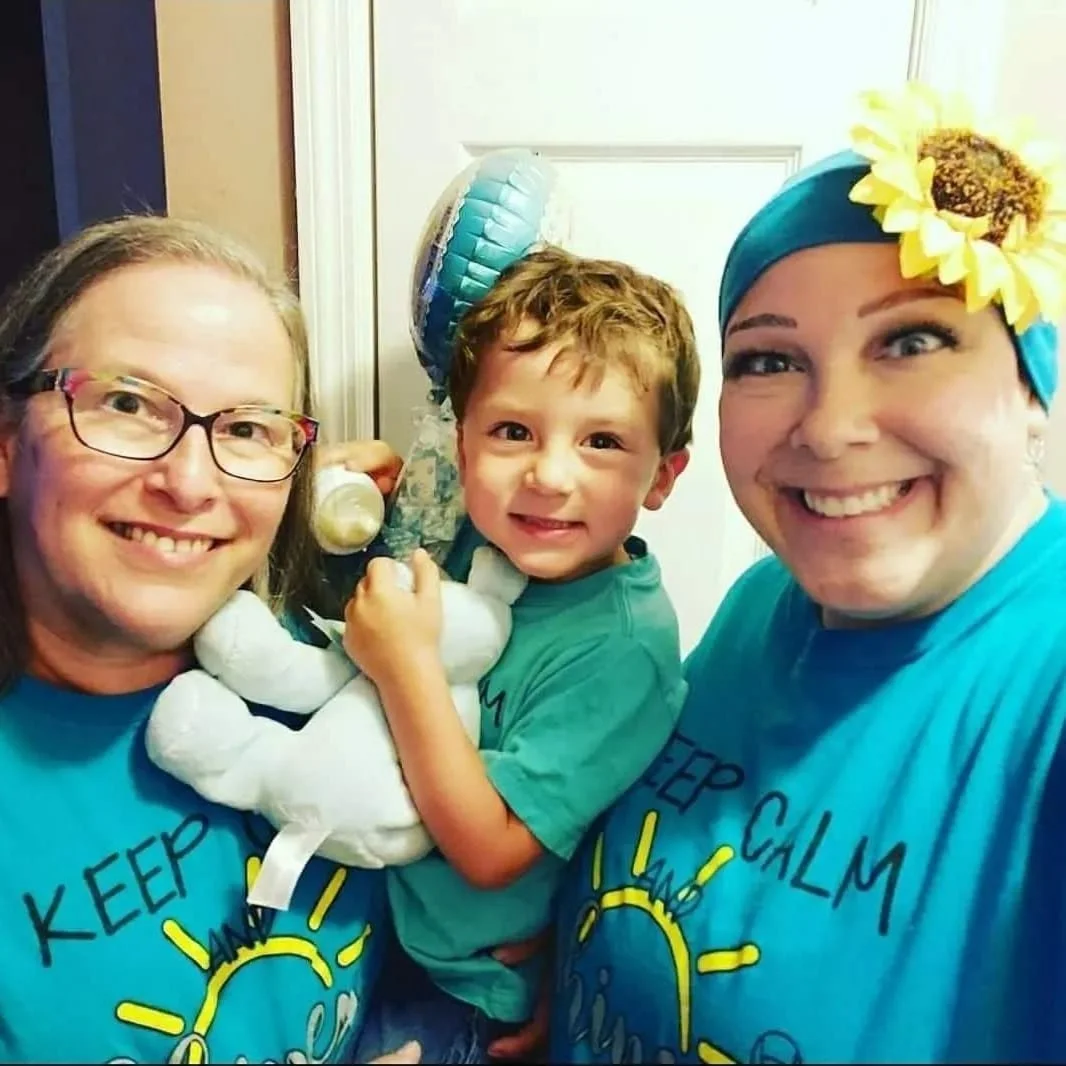
On that Thursday, we had driven to Murfreesboro to meet my mom's friends for dinner. Me, my mom, and my son, who at the time was barely two. He had just turned two in August.
My mom and my son went ahead and went into the restaurant while I took the phone call. I had driven, and she gets me on the phone.
She had already told me on Tuesday she was not going to diagnose me with cancer until they had done the blood work, removed it, biopsied it, and everything.
In that conversation on that Thursday, she told me that she knew it was cancer because it wasn't just on my ovary. It was on my spleen, it was in my intestines, it was on both sides of my ureter, which explained having issues with my bowels and having to use the restroom every 45 minutes.
She made a different plan, and this is where I know that there was intervention from above. I had my first ultrasound on a Tuesday with my gynecologist. I met the oncologist the very next week. On that Monday, she had me scheduled for surgery.
In less than two weeks of me saying, “Hey, there's a problem, I know there's something wrong with my body,” I was in an operating room having that cancer removed.
I can never thank God enough for being able to see the path that He set up so long ago. My dad becoming friends with my OBGYN, which is kind of weird, but knowing her for 20 years, her knowing my family history and everything that we had gone through.
So this wasn't one of those issues where it gets put off and put off. A lot of times in medical situations, you have to wait a month for this and another month for this. Within two weeks. I can never stop praising how quickly I was able to have surgery and the fact that my oncologist was in such close contact with my OBGYN.
They told me later, like a year after I had been going through everything, that every time I had an appointment with either one of them, they were calling each other on their personal cell phones to relay any information about what was going on.
It was just such a blessing. When I had my surgery, the doctor—Dr. Nick, she's amazing—had told me it could go two ways. She was going to go in laparoscopically to make sure she could contain the cancer before she removed it. If she did not feel she could do that successfully, she would take the laparoscopic camera out and we would do chemo first and then have surgery, which is not what I wanted to do.
Ovarian Cancer Surgery, Recovery, and Chemo Experience
So I prayed and prayed and prayed. When I went for my surgery, she asked me what I was hoping would be the outcome. If she would be able to go ahead and remove it all. I said, I'm really hoping that when you get in there, you can't find any cancer because God has removed it from my body. That's my hope.
I could never stop singing her praises either because she did not start the surgery. She rearranged people to be able to get me in that quickly. My surgery was supposed to start at 4:00. I don't think I went back until like 7:00 or 8:00 PM that night, and I didn't get out of surgery until almost 2:00 AM.
She was just so careful and meticulous about everything because she knew my story coming in and what it meant to me.
They say ovarian cancer is a silent killer because most of the time you don't recognize the symptoms because they are symptoms that are put off as just PMS symptoms.
I came out of surgery, and of course going in, I didn't know. Was she going to be able to remove it all, or was I going to have to come out and have chemo first? I wake up at 2:00 AM, and my mom is standing there.
She tells me that Dr. Nick was able to get all the cancer. She had gotten all of it. I'm an emotional person anyway, and anesthesia makes it like 20 times worse. I cried, but then I started basically singing hallelujah.
I vaguely remember this because when you're under, you know. But at 2:00 AM, when they were rolling me to my room, my mom and I do kind of remember this. Every nurse that came in, every person who passed us in the hallway, I was shouting, raising my arms because I could raise my arms, telling everybody that God had saved me, God had healed me. They were able to get all the cancer out.
I feel like that moment is what really changed my life, really changed my heart.
In a weird way, it’s going to sound weird and it’ll make sense in a little bit. But it’s almost like it healed a part of my heart that needed healing from the loss that I had experienced before because my schema was that you have cancer in my family and you possibly don't make it.
So that really set the tone for everything that I wound up going through.
That was in November of 2020, and then in December, I started chemo. The chemo was hard. I talked about it a lot on my Facebook posts that I would share with people, but it was hard physically.
It was more difficult mentally because my body just reacted to the medicines. The side effects from the medicines were very intense for me. I had really bad bone pain. It was very hard to sleep for the first three days afterwards, which made it very hard to just be able to rest.
Going through those things mentally, being pushed to a point that you don't ever think you'll have to get to and figuring out how to just push through it—it was hard, but rewarding in a way.
Like I said, coming out of surgery and knowing that all the cancer was out of me just set the trajectory of how I looked at everything I had to face the rest of the time.
I had chemo treatments, and they got easier. I got finished with those, and I would say one of the most difficult things that I had to do was toward the end. I had an issue where I had fluid on my spine, and it affected my vision.
They didn't know what was going on, so they had to do different tests. I had had an MRI before, but I had never had a head MRI, and I didn't realize they strap your head to the table.
When I tell you I had to have an out-of-body experience, listening to my worship music while I was having that and just breathing through it. I came back, and when I was finally able to come back to school, I did this writing project with my kids about what is your superpower.
I said my superpower is I've learned I can do hard things because having needles, being completely terrified of needles. And having to get poked as much as I've been poked in the past four years, having your head strapped to a table, these are difficult things.
But I have realized I can do them. I just have to get in the right headspace, and it's okay. I'm good. I truly believe that I became cancer-free the day I had surgery because she was able to remove everything. In my biopsy results, like I said, it was on my spleen.
In my CT scan results that she had, when she got in there to do the surgery, apparently your spleen can grow an accessory spleen, which is just, anyways, she didn't have to remove my spleen. She was able to just remove that part or it was like a growth on the spleen.
So I didn't have that extra thing. She was going to just remove the tumors from my intestines because she thought they were just on the outside of them, but instead she went ahead and did a resection. When they did the biopsy, they realized the tumors had already gone into the intestines.
If she had just removed what she could see, there still would have been cancer in there. It's all these little things that seem like tiny things that really wound up being big things that just completely healed me.
It's so weird to say that it really was one of the best experiences of my life, even though it was one of the worst experiences of my life too—just because of how close I became with God, how my son was able to see my faith and see that praying can lead to miracles.
To just be able to show others that even though my schema said something bad could be the outcome, knowing all the things that we had gone through in previous years, that something so beautiful came out of it.
Now I've been able to take this year off and spend it with my son, and I feel like not necessarily get that precious time back, but it's a gift that I didn't think I would have as he's five years old.
We're able to make so many cool memories together now.
Brandi Fleck: Oh my gosh, what a miraculous journey. It's all amazing.
The first thing that really stood out to me was that when somebody who didn't know your story told you, “Oh, it's just PMS symptoms,” you still trusted yourself enough to advocate for yourself and be like, no, something's not right. So yeah, just trusting yourself is huge.
Cheyenne England: You know, I've had so many conversations with people that I work with or people who know me just because I'm in the education system in my county who have said they were having symptoms.
Because I have been very vocal about paying attention to your body, but also advocating for yourself—nobody knows what you feel in your body except for you. If you feel like something's wrong, something could definitely be wrong.
I've had several people who have actually pushed with their doctors to get testing to just make sure things are okay, and thankfully they have been okay. But it's just been neat to hear the stories that other people have shared, just because they've heard my story, to keep themselves healthy and safe.
The Mental and Emotional Impact of Cancer Treatment
Brandi Fleck: Yeah. Okay, so can you describe for us a little bit the gamut of emotions you went through from the time you found out that you had cancer until you realized you were cancer-free?
I know that you sort of described it as a shift earlier when you were telling your story, but what specifically was happening emotionally?
Cheyenne England: I've said that my schema is, in my family, you have cancer, you fight cancer, you pass away.
When I say that—and you know, because you've known me for a long time—but in 2012, when my sister had her second baby, four months after she had her, she was diagnosed with breast cancer. She fought it for two years and passed away from it and left behind young children.
So when my doctor, when we had that video call, that's what was in my mind. That's why I was so adamant of, do a full hysterectomy. I just want to be here for my child that's here because I've already seen what losing a parent at a young age does to children—not just personally, but also as a teacher, I've seen that.
When she was able to go ahead and say that I had cancer, even though she hadn't done the surgery and biopsy and everything, that was my immediate thought.
When I tell you Dr. Nick is like a saint—her bedside manner is impeccable. People should study her because she was so wonderful and patient. I can't tell you how long I was on the phone with her, and she was just so calm.
What I loved the most is she was so matter-of-fact: here are the facts, here's what our plan is, this is what our outcome is, these are what the studies are showing—that this treatment plan extends the opportunity for recurrence to not happen.
She was so calm in that moment, which really helped me. But as soon as she showed me—she could pull up the CT scan and show me, which was great because I needed the visual—but as soon as she said it, the first thing that popped into my head was that I was going to leave a young child here.
I'm a single mom, so it's not just, oh, he has a dad that he'll be with and that's okay. It was like my mom is the one who's here, and she's older, so you never know what's going to happen.
Instant cry. I couldn't speak. I'm one of those people that when I start crying, I can't talk. She was just so wonderful. But I had my moment, and then it went into, this is happening to me, and this is what we need to do because I'm not going to let this get me, or I'm at least not going to go out without a fight.
It's an hour drive from where we were at the restaurant back home, and in that hour, I was able to let my family and friends know what was going on and kind of what the plan was—that I was going to be having surgery.
That was on a Thursday. I had to go in the next day and pretty much get my leave of absence from work, do all the stuff that you have to do for that.
Again, it was a godsend. Having grown up in the county that I'm in, everyone has known me my whole life. They knew my mom, they knew me, and they were so wonderful to help me get everything set up the way that I needed to.
Then it was just that shift of, okay, let's do this.
My focus was on just taking it, looking at it head-on. That's the mentality that I had to have. I knew from previous experience with my sister, my mom had cancer in the early 2000s also, so I knew that I just needed to constantly be looking ahead.
Okay, I'm going to push myself to get through the surgery, and I'm going to push myself to get up and walk around because then each day it'll get easier. Same thing with chemo.
So I let myself have that really upset moment. I let myself have the moments that I needed to have when I needed them, but I also kept that focus of, okay, here's one day closer to being done with chemo, here's one day closer to being done with my maintenance pill that I had to take, here's one day closer to being able to move around easier and have my strength.
It's just been that constant, okay, I did this today, tomorrow it's going to be even easier kind of mentality.
Brandi Fleck: Yeah, okay. So I'm hearing you say you felt your emotions, and they were there, but you were somehow able to let them pass and then focus on what you needed to do.
Sort of like that survival instinct kicked in. Would you say?
Cheyenne England: Yes. At the time, also, my father had dementia, so he didn't really, I wouldn't say he didn't know me, but he knew I was something to him.
Because it was COVID era, the place that he was living at had very strict protocols. They weren't letting people come in. All I knew was that if I was going into surgery, I needed to see my dad at least one more time.
They were wonderful too. I contacted them, told them what was happening, and I said, please let me just come get a hug from my dad. Of course, I had to have all the PPE stuff on, and he would not have recognized me anyway, but being able to have that.
Being able to get all of those things done from Friday to Monday when I had surgery and get to love on my loved ones, I was able to see my niece and nephew before I had surgery. They had no idea what was going on. It was just we got to see each other.
Not as a goodbye, but just as a motivator to be able to see and hug and love all of my family and everyone. It was great, and it really helped me be like, okay, this is what I'm fighting for.
I'm fighting to continue to get to do this, to see all of them and love on them and hug them and everything.
Brandi Fleck: So awesome. As you're describing this experience, you can tell that you're very close to your family and your loved ones, and it's so important to you. You were really close to your sister as well, who you mentioned. I knew her as well, she was so amazing.
Has this experience, even though she has passed away, has it brought you closer to her in any way?
Cheyenne England: I feel so, yes, to answer the question. When she was going through her journey, we talked a lot about what she was feeling, what she was afraid of, all of the emotions that you could possibly have.
It brought us closer because I feel like I was able to finally understand probably the things that she didn't talk about with me, the worries that you have when you're thinking about your kids and your friends and your family.
But it was also one of those things. My sleep was really messed up after I had my surgery or when I would have chemo, so I'd be wide awake at 3:00 in the morning.
I would just lay there and talk to her and ask for guidance or peace or anything. Because I went through it during COVID, we were not allowed to have people come with us when we had our treatments, which was another really hard thing to go through mentally.
A lot of times I would just lay there with my eyes closed and basically be talking to her and God. I could just picture them side by side, watching over me. I feel like it kind of gave me a peace that I needed, of coming to terms and understanding where my sister was in her journey.
Of course, the whole time I wished I could have actually physically talked with her, but yeah, that really, the whole experience.
Faith, Spirituality, and Healing Through Illness
Brandi Fleck: Sounds like it sort of, I don't want to say forced, but it opened up an opportunity for you to really have to pull on these spiritual, emotional, and mental reserves that you have or have built.
What would you say were the most important factors that helped you heal in all the ways?
Cheyenne England: I would say spiritually, like I said, in every single moment that I was awake and not talking to someone, I pretty much was praising Him.
I had multiple little devotionals that people had brought me that I would read each day. Some of them were on healing, and some of them were on facing challenges. It was always like whatever was for that day was for me. It just truly always spoke to me.
So spiritually, I was just always praying. If I was reading something in my Bible or reading those devotionals, I would be talking about it. I would talk about it with my mom. My son was only two at the time, so he didn't really know as much about it, but he got to hear us talking about it.
I had friends who were very spiritual who would come over. I had coworkers who would come over and pray with me before I had chemo because they would pray specific things. When two or more are gathered, you know. So that helped me spiritually.
Emotionally, having my mom there with me, we live together, so she was my caretaker, but she was also taking care of my son. She had been through her own journey with cancer, like I said, in the early 2000s, and then she'd also been through it with my sister.
So she knew how I felt, the emotions that I was feeling, and how they were justified. Having her there helped me emotionally to be able to talk through that.
Physically, I went from being very social, going to things all of the time, to having to actually rest, which was not something that I was used to.
But getting to the headspace of, it really is okay. Just sleeping, just laying here, chilling is actually healing me. That was hard.
Chemo basically wipes you completely clean. I always said it’s kind of like if you have an internal battery. It took my battery down to zero, and I had to slowly build it back up. It’s not fully charged yet. It’s still not fully charged. I’m still recovering.
Physically, that’s kind of where it was. It was just pushing myself each day to get up and walk around the house, to get up and walk outside when it got nicer.
The Power of Support Systems During Cancer Recovery
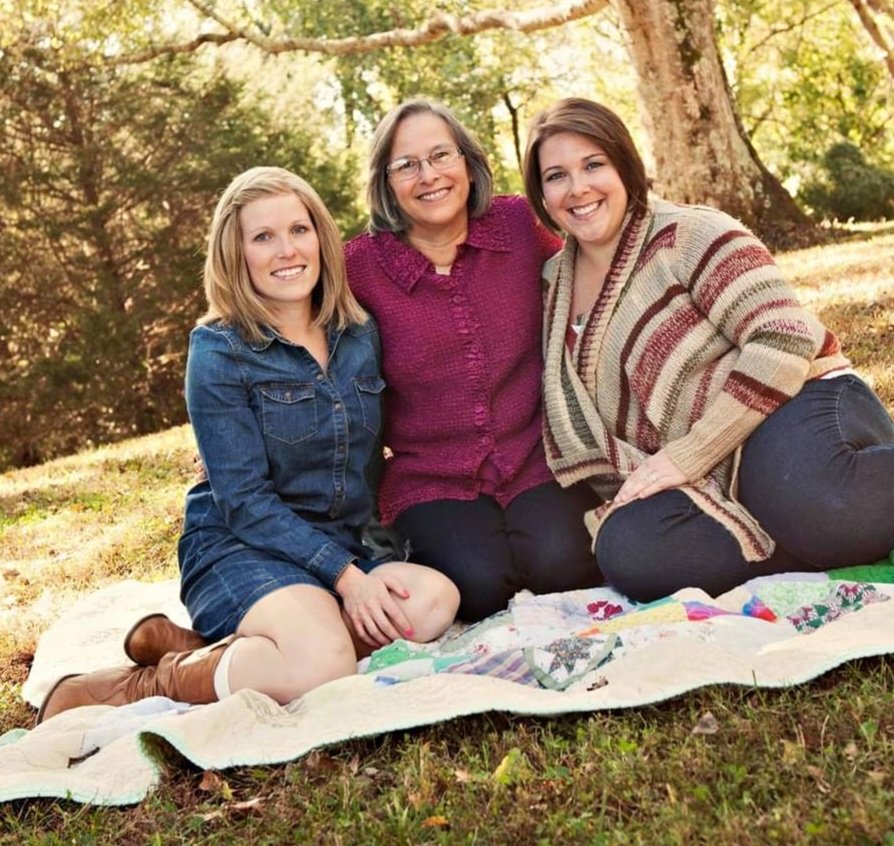
Brandi Fleck: I don’t know if it’s possible, but if I distilled what you’re saying down into one word, would it be support?
Cheyenne England: Oh yeah, a thousand percent. Between my friends, my family. Even my son was only two at the time, and anyone who's ever had a toddler or been around a toddler knows how wild and rambunctious they can be, and he was so gentle.
Just him understanding that he could come sit beside mommy, but mommy couldn't pick him up or things like that. It was like the medicine that I needed anyway. Just to be able to snuggle with him helped me feel so much better.
Brandi Fleck: If you could go back to little Cheyenne, maybe your favorite year of your childhood, and tell her anything based on what you know now, what would you say?
Cheyenne England: It’s all going to be okay. Every moment in my life, whether it’s been good or bad, has helped prepare me for who I am and who I’m going to be. All of those things, whether they were happy or sad, have helped me be prepared.
Losing my sister helped give me the motivation to do whatever it took to get healthy and be here for my son.
So I think I would just tell myself it’s all going to be okay. Everything is going to work out according to God’s plan, and if I just believe fully in Him and what He has planned for me, then it’s all going to be okay. Everything is going to be okay.
Brandi Fleck: I love that. Okay, all right. Is there anything that we didn’t get to talk about today that you think is important to share?
Cheyenne England: I think that anytime you’re going through something, having a positive attitude is going to make all of the difference in the outcome.
A long time ago, I read the book The Secret, and I know it’s become a movie and things like that. At the time when I read it, I was in my mid-20s, and it didn’t hit as much with me as it does now.
Like I said before, I’m very reflective, and different things pop in my head. I get that now whenever they talk about speaking into existence what you want to happen or hope to happen, just keeping that positive mentality.
If you’re focusing on those things, it kind of just guides you. You start to see the good in what’s happening. It was not fun having chemo, but I knew that in the end of my journey with that part of cancer, it was going to be doing its job, and it did its job.
I’ve been cancer-free ever since then. I don’t even have anxiety when I go to my oncologist anymore, which is wonderful, because I knew my body before, and I know it now, and I know that my results are going to be fine every time.
It’s just keeping that positive attitude that has really helped me. Then, of course, advocating and knowing your body. If you’re like, man, I’ve really been tired lately, there’s probably a reason. If getting sleep is not helping you, there’s probably something else.
If that’s something that I can help people see, it’s keeping that positive attitude and just taking it one day at a time.
It’s kind of like I was talking to my mom the other night when they say, how do you eat an elephant? One bite at a time. You can reach your big goal in those little steps with a positive attitude.
Staying Positive Through Hard Times and Life Challenges
Brandi Fleck: Yeah, I totally agree. Real quick, how do you keep a positive attitude when you’re going through challenges like you have?
Cheyenne England: I think for me, it’s just been reflecting on the things that have happened in my life. Losing my sister and losing my dad and seeing the outcomes from those things, those were sad times, and I’ve lived through sad times when I first lost my sister.
I know that that’s not how they would want me to live being sad. Even in my own time, especially now that I have my son, I just realize time is so precious. My love language is quality time, and I don’t want to spend my quality time with people being sad or angry or grumpy.
Kind of like I said before, I let myself have those emotions, and then I just move on because life is way too short. Way too short to not just be ready to be happy and ready to soak up those moments.
When we’re gone, what’s left behind are the memories and the photos with our friends and our loved ones and our family. The best thing that we can do is to be happy and be 100% in those moments to make those memories.
When I’m gone, I want my son to remember a happy mom that was in tune and making memories with him.
Brandi Fleck: Yeah, that’s beautiful. It really is. Cheyenne, if our listeners want to learn more about you, is there a way they can do that?
Cheyenne England: You know, when I began the year, I decided I wanted to make this year about the adventure. I had a friend create a logo for me that says Cheyenne Adventures, and I actually have an Instagram and a Facebook that is Cheyenne Adventures.
I haven’t really posted as much because I’ve just kind of been gathering the content from this year, but I’m hoping now that we’re getting closer, school doesn’t start until August, but I have content that I can share from the year and maybe even tidbits and tips and motivation for people.
If they want to check that out, they could check out Cheyenne Adventures and just kind of see how to live life in a positive, happy way and soak up those moments.
Brandi Fleck: Okay, beautiful. I’ll be sure to check those out and put all that in the show notes for our listeners. Cheyenne, thank you. Thank you for sharing.
Cheyenne England: Absolutely. Thank you for letting me come on here. I love this.
Brandi Fleck: Thanks for tuning in. Check out more of our episodes here and at humanamplified.com. Remember to subscribe.
Join the conversation!
Feel free to share your own experience and let me know if you have any questions in the comments.
Related Posts




Hi, I’m the founder of Human Amplified. I’m Brandi Fleck, a recognized communications and interviewing expert, a writer, an artist, and a private practice, certified trauma-informed life coach and Reiki healer. No matter how you interact with me, I help you tell and change your story so you can feel more like yourself. So welcome!
Find More on the Blog
Topic
- ADHD
- AI
- Atlanta
- Black and BIPOC
- DIY
- FAQ
- LGBTQIA plus
- Los Angeles
- Nashville
- Seattle
- St Louis
- St. Louis
- UFOS/UAPs/ETs
- abuse
- accountability
- addiction and recovery
- adoption
- affirmations
- afterlife
- altered state
- angels
- animals
- anxiety management
- art
- astrology
- atlanta
- attachment
- awakening
- beauty
- behind the scenes
- being human
- body image
- body work
- boundaries
- brandi fleck
- breathwork
- bullying
- burn out
- burnout
- cancer
- career
- caretaking
- chakras
- channeled
- clarity-dive
- clarity-practice
- clarity-primer
- clean products
- coach
- codependency
Recent Blog Posts
Visit the Full Podcast Audio Archive

Affiliate

How much of your identity was shaped by who you are, and how much by what you had to do to survive? Psychotherapist Lisa Arrigo explores trauma, shame, the nervous system, gender, addiction, relapse, and what healing and integration can look like when you begin reconnecting with yourself.