
Functional Medicine, Longevity, and the Future of Health
Interview By Brandi Fleck
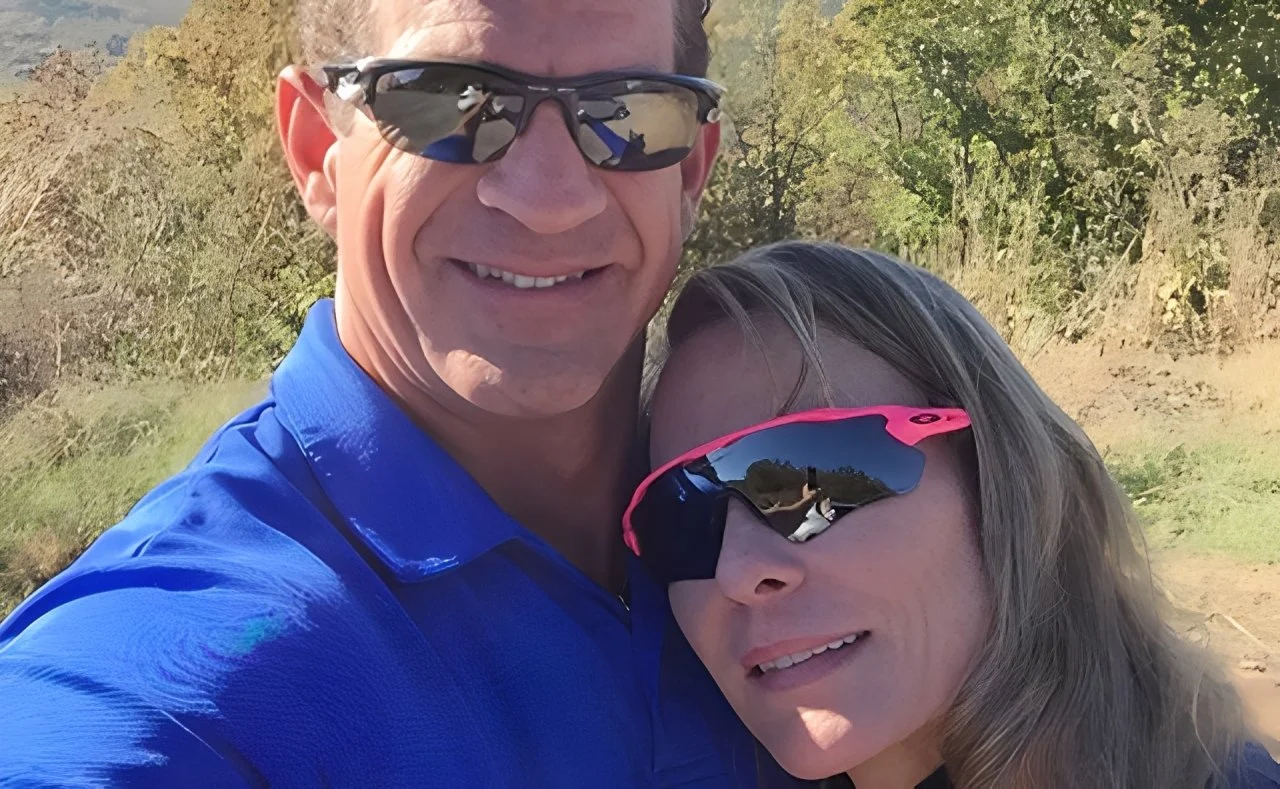
Dr. Mark Sherwood explores functional medicine, longevity, and the root causes of chronic disease in a powerful conversation on optimizing health and reclaiming wellness.
What if living longer isn’t about defying age, but about living better?
In this illuminating episode of Human Amplified, Dr. Mark Sherwood joins Brandi Fleck to explore the science and philosophy behind functional medicine, longevity, and true wellness. From the shortcomings of modern healthcare to the promise of root-cause healing, this conversation challenges conventional thinking and empowers listeners to take control of their health. Together, they unpack the systems shaping our well-being and the personal choices that can transform our future.
Listen to Dr. Mark Sherwood’s Interview
Watch Dr. Mark Sherwood’s Interview
Exploring Resilience, Purpose, and the Human Experience
Brandi Fleck: What does being human mean to you?
Dr. Mark Sherwood: There's a big answer to that short question. I think that a human being is being able to experience the blessings of human life—interactions, interpersonal relationships, being able to actively enjoy nature, enjoy the earth, enjoy each other, enjoy the experience. Also, it's being able to deal with the ups and downs of being human, like a 3D acid trip going who knows where sometimes. But you have to really learn to deal with it. So to me, being human in its fullest is learning how to really exhibit and learn what I call human resilience.
Brandi Fleck: Everybody, today I would like to welcome Dr. Mark Sherwood to Human Amplified. We are going to have a really interesting conversation about functional medicine and hopefully some things that people aren't really saying about functional medicine. So, Dr. Mark, welcome to the show, and how are you doing?
Dr. Mark Sherwood: Doing well, Brandi. Thanks for having me. I've been looking forward to this.
Brandi Fleck: Before we dive in, who are you?
From Professional Athlete to Functional Medicine Doctor: Dr. Mark Sherwood’s Unconventional Journey
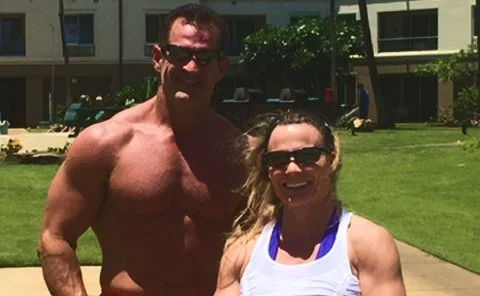
Dr. Mark Sherwood: Again, Mark Sherwood. I'm actually a naturopathic doctor based out of Tulsa, Oklahoma. My wife and I co-run the Functional Medical Institute here. My wife, Dr. Michelle—I like to refer to her as not just my spare rib, but my prime rib. She's my best buddy, and we work together. She's an osteopath and also a naturopath, so we kind of get the best of all worlds.
I am a former police officer prior to this career, 10 years of which were on the SWAT team, and before that, I was a professional baseball player. Since then, along with what I do now, we've written several books, made several movies, and our whole mission is to help people experience a more full, more optimized life.
Brandi Fleck: I really think that's an interesting career. How did you transition from baseball to law enforcement to medicine?
Dr. Mark Sherwood: It's interesting. I get asked that a lot. So baseball was a forced transition where I didn't make the major leagues, so it was time to find a different career choice. But after that, I always enjoyed having the camaraderie of a team. That makes sense from an athletic standpoint.
I've also liked being outside. I've always enjoyed the idea of helping people. So the transition to becoming a protector of people and a servant for people was actually pretty natural. Once I got into that career, you learn a lot, see a lot, do a lot—some things you learn, see, and do that other people should never have to deal with. I was able to experience a lot of things, including time on the SWAT team and working in different assignments.
But what got me transitioned from that to a naturopath was fascinating in a sense because it was one statistic. I was tasked with developing a wellness program for our department. So I was transferred to the police academy, where that was my full-time job, among other things. That was one of my subsections of responsibility.
I did some research because I wanted to know what it is that makes police officers live and what makes them die. I found a statistic from the FBI. At that time—this is going back to the late '90s and early 2000s—the statistic was that male police officers with a 20-year service record who retired lived an average of 66 years of age. That shocked me. And I was like, this is not right. It made me really sad because I thought this doesn't seem right. These men and women are working so hard for this dream of retirement, and they're dying.
Then I started to realize that it was true, that I had seen it and experienced it with the people that I worked with. So I went on a mission to determine what we could do about that—what we could do to make it better and what I could find to make that not true and increase that lifespan.
I found that the majority of police officers were on a multitude of medications—blood sugar medications, blood pressure medications, sleep medications, sometimes even antidepressants. It literally broke my heart. I did some studies at that point and brought it home locally to my home state of Oklahoma, to my home county of Tulsa. The statistics that I had just shared with you were the same, but one year worse.
That was it for me. I went on a mission at that point to figure out that mystery, if I could—to understand why people in my community were dying so soon and actually increasing the time in which they were sick while decreasing the time in which they were well. I'm talking about sick span versus health span.
As time went on, I became curious and very observant of what was happening in our world. It was the same thing. I saw the same phenomenon. People were not living better. They were living sicker longer. Maybe they weren't even living longer. That wasn't okay.
So I really transitioned from protecting and serving in the area of law enforcement—and even my fellow colleagues, where I had taught around the U.S. and the world—to where I thought I could do that on a larger scale: protecting and serving people. That's it.
It wasn't an unnatural transition. I just kept on studying and kept on learning. Much like in the movie Forrest Gump, where he kept on running, I kept on studying. I find it fascinating, the twists and turns of life. What can we do better? What can we do worse? And how can we make it better? That's what's driven me and my wife as well—to really understand more about this idea of longevity, higher quality of life, and optimization of life.
It's not really anti-aging. It's proper aging. And finally, increasing health span.
Longevity and Healthspan: Rethinking Aging and Optimizing Quality of Life
Brandi Fleck: I really love the "it's not anti-aging, it's proper aging," because there's nothing wrong with getting older. I think you probably believe that.
What's interesting is, as I'm listening to you tell your story, one, that didn't sound like such a huge leap. It is protecting and serving in both areas. And then the other thing is, it doesn't sound like longevity is about living forever. It sounds like it's more about just living better as you do live.
Dr. Mark Sherwood: I would agree. A lot of people think longevity is just increasing lifespan, but I don't believe that at all. What if you're living and not living? What if you're dying through life instead of living through life? What if the last 10 years of your life are spent lying on your back, full of medications, unable to care for yourself, relying on someone else to care for you?
I don't believe that has to be the final outcome or destiny of all people. Has it become our expectation? Yes, especially in the United States of America. But that doesn't need to be the case. I don't believe that's proper. I don't believe you have to lose your faculties, your mind. The physical body is going to decay, but nothing says the mind has to decay.
Your physical body might wear down, but nothing says it has to wear down at the pace that's expected in our country—the pace being probably 80 or 85, where life expectancy is. I think the classic word there is expectancy. What do you expect? What are you taught to expect?
I think that teaching needs to change. What should our expectation be? I believe, in my opinion—through experience, observation, and studies—that our expectation should be set at an organ system pace of about 120 years. That does not mean we're going to live that long, but it means that our organ systems are designed to fully function that long. I think that really is a way to shift the paradigm.
Brandi Fleck: That's really interesting. What gives you that belief?
Dr. Mark Sherwood: There's a couple of things—probably three. I go back to a book called the Bible. I believe it's God's Word. Some people might believe differently. Either way, it's a pretty interesting series of books. One thing said by God Himself in the Bible is that mankind's days shall be 120. I'm talking post-Noah, in the days of Moses. These were real people. Whether people believe that's the divine Word of God or not, what's relevant is that 120 years was stated as a lifespan.
Apparently Moses expected that, because he lived 120 years. Then you look at Joshua, who lived to 110. This was years ago, before we had these advancements in medicine. Think about that for a moment. When our genes have changed only about 2% in 10,000 years, do we have the same genes as Moses and Joshua? The answer is yes. That tells me there was an expectation at that level in that time that was different from ours today.
Number two, you look at statistics from history. The oldest person who ever lived that we know of was a woman named Jeanne Calment. She lived to 122 years old. Then you look at the oldest person alive right now, a woman in Japan who is 118. Japan holds the record for centenarians as well as supercentenarians—those who are 110 or greater. Neither of those examples came from the United States of America, and there's something to be said about that.
The third area is a little obscure but really interesting. You look at the biohacking movement. In that movement, there is a lot of discussion about the idea that we can break 120. Some even believe we may live to 150. I find it fascinating because there's no real discussion about the Bible or history in that space. Yet there's something in tune with mankind that has an expectation that can be different from what we're taught.
So I use those three examples, and they form my belief system—perhaps my expectation.
Again, I don't have it all figured out. But Brandi, the more I live, the more I know I don't know. And that's okay.
Brandi Fleck: It keeps me curious.
Dr. Mark Sherwood: That's where I get that 120 concept.
Brandi Fleck: Yeah. Well, thanks for explaining that. That all makes a lot of sense, and I could see why you would think that way. This might be a big question, but why would we want to live that long?
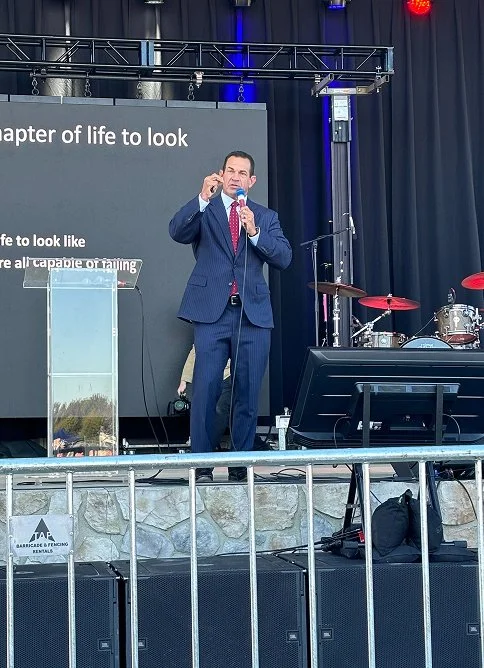
Dr. Mark Sherwood: I think it boils down to, I want to live my life—and I know you would agree with this, and probably every listener would agree with this—we want to get the most out of it. We want to give the most from it and have the fullest life, whether that's 60, 80, 90, 100, 110, 120. It doesn't matter.
So I don't think about how old I am or how young I am. I don't think that at all. Now, my wife and I do a lot of testing that can quantify the biological aging processes of different organ systems and our immune system. That's all fascinating. We do protocols and things like that that are designed to address that. You can test accordingly. But truly, I'm not thinking about how to live longer. Right now, at this moment in time, I'm thinking about how I can do a great job talking to Brandi and how I can make sure that every word matters so that this moment in time is maximized for the greatest impact to inspire, educate, and maybe give hope to other people.
Why Americans Are Getting Sicker: Lifestyle, Stress, and the State of Healthcare in the United States
Brandi Fleck: You've said a lot of important things in a very short amount of time, and I want to make sure we do optimize and get to the most important things. One of the things that I would love to know is, what is up with the United States? Why aren't we living as long as people in Japan?
Dr. Mark Sherwood: I think there's a lot of factors. I think it's higher stress. I think it's the standard American Western diet and lifestyle. We allow toxins in our environment with the EPA's permission that other countries don't allow. We spend about one-tenth of the time eating a meal, whereas you go to other countries and they elongate that time. We are very sedentary as a people, and that's becoming societal because we have so many electronics and gadgets and things like that.
We've become less communicative with other people because we have social media, and we tend to talk through social media and treat social media as our buddy and pal and friend and relational counselor. We get our dopamine high from that as compared to getting it through exercise and things like that. We don't rest as well. And our system—this is not an indictment upon people—our system today profits off of sickness, disease, and death. It is a sick-based profitable system, whereas people who are well literally become thorns in the side of that system. They become not acceptable and liabilities of that system.
So I can put all those things together, and the U.S. has really done a very poor job, in my opinion, of exemplifying excellence in the area of lifestyle. We spend more per capita per person for this fictitious thing we call health insurance that doesn't talk about health, and of all the industrialized nations, we're near the bottom in outcome. So we're good at acute care medicine. We're good at accidents, traumas, and surgeries and all that. But we're just very, very poor at the idea of prevention and avoidance of disease processes.
Functional Medicine vs. Conventional Medicine: Understanding the Divide in Modern Healthcare
Brandi Fleck: I've lived that. I know people who have lived that, so I believe that's true. I also believe, like you said, we are good at certain things and that there is a time and place for what I would call conventional medicine.
Something that has happened recently is I've got two conventional doctors who I trust that I've been with for years. One's an allergist and one's an OB-GYN, and they've done great things for me. But also, anytime I ask them about functional medicine, I'm like, oh, hey, I got this test done. I want you to look at it. Or I actually changed my diet based on this functional test, and I saw really great results. What are your opinions? They're like, well, that test is bogus. It's a waste of your money. I don't know why you're paying for it.
While I respect their opinion, at the same time, when I've worked with functional practitioners, I have felt better than I've ever felt. So I think it's important to recognize this clash. I don't know if it's a clash. It's just a difference in philosophies. What do you think is going on there? Because there are smart people in both areas doing great things.

Dr. Mark Sherwood: There's a chasm. It's a big divide, and it's becoming more divided, with the chasm becoming deeper. Here's why. We as Americans need to understand that current medical training for current medical doctors, osteopathic doctors, the doctors that prescribe medications, they're not given any sort of sufficiency or understanding of the opposite side of the coin—in other words, ways to heal and things like that. They're not trained in that. We've thought they should be. We've thought they were, but that's just not correct.
They are trained in a system that is funded by grants, that is funded by big pharma, that trains them how to legally prescribe drugs and do surgeries. That's what it is. They're very brilliant people, but that's what it is. If they want any sort of functional medicine or alternative training, they don't get paid to do that. There are no CMEs for them to get credit in that area. Now, there's a little bit of gray area now, finally, but it's not enough to make them take off work and pay out of their own pocket to go get trained. In their system, the systems will pay out of their coffers so the person that pages for them and the prescribed drug for them will do it even better, because that's what funds the system.
Okay, so that's that side of the coin. When you're indoctrinated in that kind of training for a decade and a half, it is difficult to have an open-mindedness to learn anything else because you're taught in this indoctrination process that's driven by the sources that I just talked about. You're taught to do exactly what you just described, which is everything that doesn't fit here needs to be debunked because it's not based in what we know to be science. So there will be an attitude there, generally speaking. It's not knocking them. It's basically what they're trained to do. But when there's an unwillingness to learn, and when the unknown becomes unacceptable, that is a fundamental problem with the ability to learn. It will inhibit your ability to learn.
Again, when the unknown becomes unacceptable, a lot of things we know—science, Brandi, is interesting because it is not a concrete thing. One of the worst things that happened to our country was the phrase that we started operating on: trust the science. That is not an accurate statement because science is not a solid, consistent, defined thing. Science, for the people who are listening, in lay terms, is what is left over after you've poked holes in what you think you know. So it is an ever-evolving process.
Then you look at the other side of the functional medicine side, and the functional medicine side needs to understand that all medicine is not bad, that there's some brilliance there, and you have to be able to take the best of all worlds because some people need medication. But you need to understand that there needs to be an exit strategy to get them off the medication while you're correcting upstream the dysfunctional issues in systems biology.
Now, having said that, there's two different splits, if you will, that are beginning in the functional medicine space. Number one is they will do a bunch of exotic, cool, neat, informative tests, and they will prescribe you a bunch of supplements, which is probably better as green pharma as opposed to big pharma. But then there's another gap there that goes above that, that would say, you know what? We appreciate that test. We appreciate those supplements. We appreciate medicine. We appreciate the medications, the pharmaceutical drugs. But we're going to go a little farther upstream, and we're going to talk about the emotions of the person, the physical person, the spiritual person, the intellectual person, the financial person. Who is this person?
Like you asked me, who is Mark Sherwood? Who is Brandi? You need to know that, and you're going to try to help the person eliminate the distraction of sickness, disease, death, and lack. You're going to get them focusing on well stuff as opposed to sick stuff. The conversation then shifts from what is wrong with me to what is right with me and what can be made better. What can be made more right? That kind of context covers it all.
That's an area that my wife and I have tried to really strive in, looking at genetics and upstream stuff as far as we could go. That, in my opinion—probably a little biased, granted—but I think that's where we need more help and discussion and training right now.
More help, discussion, and training in the area of holistic healing, holistic care that really looks at everything—Eastern medicine, Western medicine, acupuncture, working out, exercising, diet—along with these really cool functional tests and understanding medicine.
Brandi Fleck: I agree with that. I love science, and I don't want to poo-poo science, but at the same time, I like how you explained it. Also, I know that there are things that we live and experience that science hasn't necessarily caught up with yet. One day we'll look back and maybe science will have proved all these things that we've been shouting from the rooftops that we're experiencing, and they'll be like, oh, okay, it's real now. But it's real because we experience it too.
So I would love to dig a little deeper into pharmaceuticals. I know that you've talked a little bit about how the system is set up, and it seems very obvious now, even if we didn't always know that that's what was going on.
I had a first husband. He has passed away. We were divorced, but he passed away about a year after we were divorced, and he was only 33 years old. Thirty-three. It was awful. In the system that we have, he was basically undiagnosable. He had chronic pain. Nobody could tell him what was really going on. They were like, oh, you have migraines. Oh, you have this. Try this physical therapy. Try this drug. It got to the point where he was on a laundry list of like 20 different drugs—opioids, benzos, all of these things. Then he died of a pulmonary embolism.
I truly believe the system failed him and failed all of us because he was so young. And when they put you into pain management—and maybe, I don't know if this is right or wrong of me—but anytime I hear somebody say, oh, well, I've gone to doctors for six months or a year or two years, and we don't know what to do, so I'm going to pain management, that to me feels like the beginning of the end. What is your opinion?
Pain Management vs. Root-Cause Healing: A Functional Medicine Perspective on Chronic Pain
Dr. Mark Sherwood: I am so saddened to hear that story. I've seen that and experienced that, as you can imagine in this position, many, many times.
Pain is real. But I want to say something now. People need to hear me, please. Pain does not need to be managed. It needs to be understood and corrected. Management doesn't heal. Management keeps it going. Management doesn't solve the dam that's broken. Management lets it continue to leak and believes that it's okay. That's what that is.
People need to understand when they take medications, medications are great if used in the proper context for as short a time as possible. But medications stop or start biological, physiological processes unnaturally. And when they start and stop those biological, physiological processes unnaturally, there are nutrient deficiencies, nutrient pullouts that happen that are critical for overall function of the body.
For example, typical blood pressure medications will pull out B vitamins and magnesium, which are required for the energy of the body. They're required for other processes, B vitamins for forming red blood cells. You can go on and on and on with that, but that's the way that happens. No one in that world factors in that context, that concept, and that result.
Secondarily, most people's pain phenomenon is rooted in something or some things upstream. The answer is why. And the greatest thing you can do when you're dealing with pain is check off the low-hanging fruit, so to speak. One, you go to an anti-inflammatory food protocol. No exceptions. No variants. That's what you do. Two, you learn to get sleep properly. Three, you try to get outside and get some sunshine, some air, some breeze. Look at the trees, look at the sky, and look at the sun. Four, you try to get activity, even if it's just walking, even if it's walking slow. And five, you work on managing the concept of getting overstressed.
Sometimes you've got to get off of Google. Now you've got to get off ChatGPT. Sometimes you have to leave your phone either in your pocket or at home. Those things are things that I don't think we think about when you're dealing with that. That makes me sad because the things that I just outlined for you, those five things, are not glamorous. They don't sell tickets. It doesn't cost money, and it doesn't make money for that system that wants to manage pain. People fall in that trap all the time and are not given the proper information to get out.
Holistic Healing and Lifestyle Medicine: Nutrition, Stress, Sleep, and Sustainable Wellness
Brandi Fleck: Yeah, that's the thing. When I've talked to conventional doctors about, well, I'm thinking about I need a new PCP. I'm thinking about going with a functional doctor, I had somebody say to me with very good intentions, well, I'll save you $1,500. Just eat a whole foods diet, exercise, and get better sleep. I'm like, great, but I think a lot of people don't know where to start. It all sounds so simple, but we've been living in such a way that how do we even get back to that? The grind, the hustle culture, we don't have time to go look at the sun. It's fluorescent lights. It's, oh, I've got to be in this meeting. Do you have any insight or personal experience with slowing down in a system that pushes you to go faster?
Dr. Mark Sherwood: I do, because that's exactly where my wife and I fall. That's exactly the kind of clients that we attract, I suppose, from really around the world. It boils down to the idea that you're right. People don't know where to start. They don't know who to trust. They question everything, and they should.
I love people that I get the blessing and opportunity to work with that ask me questions because that tells me they want to learn, they want to know it, and they want to understand. And then I learn something from them. There's no question about it. I learn something from everybody I deal with, and I try to keep my mind in a way that I can notice something unique about that personality that may help me with somebody else.
But I think people don't know where to start, and they have to have someone to walk with them down the pathway. It's easier said than done. I had someone in just this morning that was in that position, had never been told what to do, but knew they needed to do something. This is what I did with them. I actually sent them a list of foods, a big list, and I told them to eat as much as you want whenever you want. They were like, what?
No diet? Absolutely not. I'm not going to give you a diet at all. I'm going to give you foods in abundance because I want food to become something that you look for as fuel. Eat when you're hungry. Don't when you're not. Simple. And we went through some other things, practically speaking. You know, I don't have time to exercise. Okay, so I said, well, put your tennis shoes on, and when you go out and get your mail—do you go get your mail every day? He goes, yeah, I'll go get my mail every day. I said, well, I want you to walk back and forth from that mailbox five times, back and forth. You can pick up one piece of your mail if you want to, or maybe all of it, but walk back and forth five times.
The third thing I'd say to them was, because they have a desk job, consider investing in a stand-up desk. Just simple stuff. So those are some examples of what you can do. They sound simple, and they are, but it's really incumbent upon us to find someone, some organization, some clinicians to walk with you through that that are actually doing it themselves. Because you can't teach, train, or lead someone down pathways you don't go or are not going yourself. You can't do it.
I'm big on never asking anybody to do something I'm not doing myself. I think that matters.
Making Functional Medicine Affordable: Insurance, HSAs, and Smart Healthcare Investments
Brandi Fleck: Yeah. Well, and I heard you say invest in a stand-up desk, but the word invest sticks out to me. So let's circle back to the insurance conversation. Because functional medicine, I feel like, is fairly new. A lot of it's not covered by insurance. There are some barriers to entry. Do you have any creative ways that people could try functional medicine or find someone to walk them through what they need to do without going broke or without stressing about the money?
Dr. Mark Sherwood: Yeah, there's a couple things to keep in mind, and then I'll give you a couple practical tips. People, please understand my heart with this. Conducting interviews of those people you might consider in that space that you're looking for working with is critical.
Read reviews. Call their desk. Do they have someone that actually speaks and answers the phone? Ask them questions. Look for patient testimonials. Make sure, this is important, that they don't say to you something like this: well, you come to me, you're going to pay me $5,000, and you're going to do these tests. That's what I do. That's fine. They can do that. But it doesn't leave much room, does it, for any negotiation? It doesn't leave much room for any personalization. They've got their mind made up of what you need.
Another way to look at this is what we have done over the course of time. We do a free webinar once a month. Now, I did say free. We actually present on concepts of what we do, and then we allow people to ask questions in the chat bar. We're on there about an hour. It takes an hour once a month, and I think that's worth it. But I don't want anybody paying me any money until they understand what we do and who we are. People should be looking for a partnership, not a dictatorship. They should be looking for someone or someones that can work with them, not that they work for.
Insurance does not pay for that, and if I'm insurance, I wouldn't either. I wouldn't pay me one dime because one of my missions in life is to create a closure out of necessity for all these minor cares. I think that's right. I want to see hospitals struggle to find people to fill their beds. That would be my mission in life, just to help the world out like that.
Within insurance policies and plans, people need to seek out the availability of health and flexible spending accounts. Those are outstanding. Money is taken out at the beginning of a term, and it's taken out at an equal space throughout each check. Let's say you put $2,000 in that spending account. They'll divide it by 12 and take out that amount every month pre-tax. So you get that amount pulled out of your taxes. You don't miss it because it's not taxed. It's just a small amount. Then the following year, you get to claim that as a tax income reduction. So you get less taxable income. Those monies can be used for functional medicine, holistic medicine care.
Brandi Fleck: I didn't know that.
Dr. Mark Sherwood: We have had great success with that, probably because we're not afraid to write letters, probably because we are the Functional Medical Institute, but I've not seen anyone turned down because that's what that's for.
Brandi Fleck: Yeah. So those are a couple tips for people. That's a really good point. Thank you for bringing that up. I have never heard anybody say, use your HSA, but why not try?
Dr. Mark Sherwood: Yeah. And then one more thing, think like this. As time has gone on, we've all experienced this phenomenon. Premiums have gone up and so have deductibles. Then every year, you'll get this broker that comes back and says, sorry, Brandi, things have gone up. But your premium's gone up over here for the same deductible. But we can do this higher deductible plan and get your premiums lower than they were last year. You're like, yes, I want to do that. But what does that mean? That means when you go do a lab, for example, and you haven't met your deductible, that lab may cost the lab, no kidding, $25 to do. They're going to bill your insurance company $1,500. That's the way that game's played. The insurance company sees that and says, well, sorry, Brandi, you haven't met your deductible yet. Whatever they decide to pay, let's say they settle for $1,000, $1,000 comes out and you pay it. Then you've got $9,000 left on a $10,000 deductible plan. It's a big old game.
So I tell people, manage your deductible like you manage a savings account. Don't give it away. Let your money earn interest. Work on things you can do to not use your deductible, and that money then works for you as opposed to working for someone else and giving it away.
Emotional Eating and Food Addiction: How Dopamine, Processed Foods, and Habits Shape Health
Brandi Fleck: Yeah. And all of this will be in the show notes, everyone, so be sure to go check that out. If you're not taking notes, just check back for these great tips.
Another barrier to entry into this type of wellness work as opposed to sick work, I think, might be emotional eating. I heard you say, eat when you're hungry, don't eat when you're not. How do you help people? Do you help people through that, or do you partner with other practitioners to kind of work on other areas like that?
Dr. Mark Sherwood: No, we do it ourselves. I wish I had other practitioners that I could help train to do this, but it's hard to learn it. My wife and I do. You have to unlearn a lot of things that you used to do and think is right. There's a great challenge for that, right? But ultimately, with emotional eating, emotions are real. Feelings are real. We don't deny those things. We need to learn over the course of time that feelings should not lead the way. Feelings should follow right actions. So it's a shift that we try to get to over time.
We need to understand that food today is constructed and structured in a way to drive dopamine, meaning sugar drives dopamine better and more effectively than cocaine. We need to understand that the construction processes of some dairy products and even grain products create these things called exorphins, E-X-O-R-P-H-I-N-S, that actually bind to our opioid receptors, making those addictive as well, which is why you go to a restaurant and you get free comfort food in the form of chips and dip and rolls. You can't eat just one of them because they're constructed with all these substances that create what the food industry refers to as craveability, but what I refer to as addiction.
So if you get right down to the real-world issue, I'll use some of my former police concepts and ideologies. Your drug dealer now becomes the government, who subsidizes foods that make you addicted, and they give them free to you and make those cheap for you so that you'll come back and want more, and they get you sucked into a system that makes you sick and dependent.
Without question, those things do provide some comfort. Who doesn't like a dopamine hit? Who doesn't like something that makes you calm? These things are designed to get you stuck, to get you sucked in, and to get you placed in bondage. We need to get out of that right now. So it requires a lot of information. It requires a lot of hand-holding. Sometimes it requires family involvement and a plan.
The person I talked to this morning was just another example. I'll use that one more time. I asked the person, he was a male, straight up, is your wife on board with this? He said, absolutely. And I said, great. This is a plan then for your family. It's family wellness. It's families that decide to draw a line in the sand and say, you know what? I'm Brandi, and I'm not going to let this go down the line to my kids or anything like that. I'm not going to let it go to my grandkids. I'm going to stop this nonsense right now, and I'm going to be the one that says no, and I'm going to be the one that makes changes.
Change is hard. It is hard, but change is required. The more hard things we do, the better we get at doing hard things. The more investment we put into these hard things, which doesn't cost money, it costs emotional, spiritual, intellectual effort and belief, things go from your head perhaps to your heart and make it something that you do. Because we all have learned to do things as adults that we learned to do as a child. So it's just time to make some changes.
That change, we should not think our clinician is going to do it for us. The only person you can change is the person staring back at you in the mirror. It requires this idea that I'm going to be my best. In my case, I want to be the best man I can be, the best husband I can be, the best clinician I can be, the best podcast guest I can be. And it's that important.
Brandi Fleck: I have never heard anybody describe that type of internal change like you just described, so I really appreciate that. I think you nailed it. And is that from personal experience?
Dr. Mark Sherwood: Yeah, I think pain is a teacher. We shouldn't avoid hard times. And I want to be a little cautious when I say that. Don't go seek out hard times, but we shouldn't avoid them either. Hard times are going to come. You're going to get hit hard. Sometimes relationships are going to fail. People die. Businesses can kind of stumble, crumble. Dreams can kind of take detours. But ultimately, you've got to decide, when you get knocked down, are you going to get back up again? That's that question that you just sort of asked.
I did a video on this recently. It just kind of was a whisper that you whisper to yourself, am I done? Is this it? And something inside you is going to say, I'm not. So when you get knocked down, it's just another opportunity to get back up again. The more times you get up, the stronger you can become because we have got to be people who get back up.
It is my experience. I've had so many messed up, hard times in my life that I could go now for the next 30 minutes and talk about it, and people are going to go, wow, no way. But I have learned, I am learning, and I will learn. Notice how I put that past, present, and future. I've made up my mind that I'm going to learn from those things, and I just don't want to be a quitter.
The Power of Personal Choice: How Individual Health Decisions Can Transform the System
Brandi Fleck: Wow. I feel like a lot of important things have been said here today. I would love for listeners, if they have questions, to just drop them in the comments, whether it's the show notes or the YouTube video. Let us know what you guys are thinking and what you're curious about, what you're struggling with.
And I've got one more big question for you before we wrap up. When I heard you talking about the system and how certain foods are manufactured and how there are kind of motives other than our health, which I'm assuming is money, like everybody wants money in a capitalist society, so I'm assuming that's what's driving these things. But the government subsidizing these foods that are making us sick and then we go into the system, that feels so much bigger than any of us. Does making these changes in our own lives change that system in some way?
Dr. Mark Sherwood: Yes. The system will respond to the voices of people. Some of the greatest votes you can make are with your credit card. You just said that answer yourself. It's all about money.
Why are we having such a discussion today at this time in 2026 about health and flipping the food pyramid and making better things happen, more actionable opportunities for Americans? It's because the voices of the people got loud enough for somebody to hear. Never think that your voice doesn't matter. I used to think that my voice didn't matter, and I realized over time that every voice matters. That's where the change takes place.
A hardcore truth is that eating healthy costs less than eating poorly. Studies have shown that when you eat healthy, you have nutrient density. When you eat poorly, you have nutrient absence. We run on nutrients, so we end up eating less, and it costs us less. Health is less expensive than sickness, and it's cheaper, more reasonable, and more fulfilling economically to have a greater health span as opposed to a greater sick span.
So I think in your question, you answered most of that. I just wanted to affirm what you said, that change can and does happen and will continue to happen if people begin to make changes in their own life, in their families, and stand for change, perhaps lead by example, in the communities in which they live.
Brandi Fleck: Well, Dr. Mark, where can people find you and the important work that you're doing in the world?
Dr. Mark Sherwood: Super easy. Website is DrMarkSherwood.com. Really easy. D-R-M-A-R-K-S-H-E-R-W-O-O-D. And there's no period there. So people can just go there. Easy to find. There's a bunch of free stuff on there. And my wife is the same. It's DrMichelleSherwood.com. If people want to know her story, it's a cool one. And it's Michelle with one L.
We're just here to help folks, be a blessing. So I just encourage people to go there and find out what you can get out of that and pass on the good word.
Brandi Fleck: I know that our conversation, it got a little heavy, but is there anything else you want to say that I didn't ask you today?
Dr. Mark Sherwood: Yeah. Life is challenging enough. Don't be distracted by sickness, disease, lack, and death. Let's work on life and have fun with this. Everybody's got their little vibe they like to do, their rhythm, their lifestyle, the way you comb your hair, the way you brush your teeth, the way you wear your clothes, the styles of clothes. Find your style and make sure it matches up with high quality and good results. Just really enjoy the journey of learning and enjoy the transition from wherever you are to be an example and a leader in more of what you already are.
Brandi Fleck: Awesome. Well, Dr. Mark, thank you so much for coming on the show today. It's been an absolute pleasure.
Dr. Mark Sherwood: Well, you're welcome. I appreciate you having me. Great questions, great preparation as well, I must say.
Join the conversation!
Feel free to share your own experience and let me know if you have any questions in the comments.
Related Posts






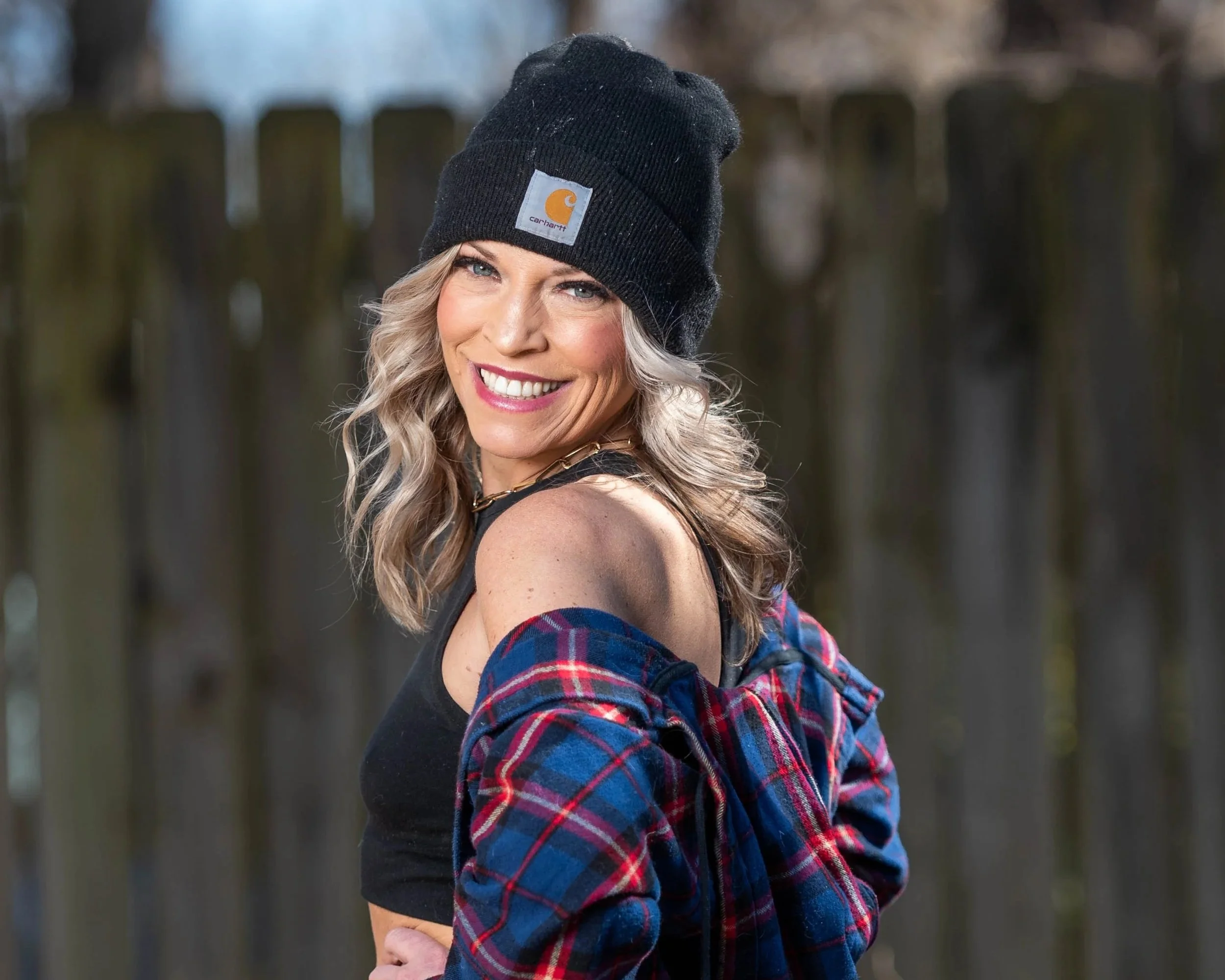

Hi, I’m the founder of Human Amplified. I’m Brandi Fleck, a recognized communications and interviewing expert, a writer, an artist, and a private practice, certified trauma-informed life coach and Reiki healer. No matter how you interact with me, I help you tell and change your story so you can feel more like yourself. So welcome!
Find More on the Blog
Topic
- ADHD
- AI
- Atlanta
- Black and BIPOC
- DIY
- FAQ
- LGBTQIA plus
- Los Angeles
- Nashville
- Seattle
- St Louis
- St. Louis
- UFOS/UAPs/ETs
- abuse
- accountability
- addiction and recovery
- adoption
- affirmations
- afterlife
- altered state
- angels
- animals
- anxiety management
- art
- astrology
- atlanta
- attachment
- awakening
- beauty
- behind the scenes
- being human
- body image
- body work
- boundaries
- brandi fleck
- breathwork
- bullying
- burn out
- burnout
- cancer
- career
- caretaking
- chakras
- channeled
- clarity-dive
- clarity-practice
- clarity-primer
- clean products
- coach
- codependency
Recent Blog Posts
Visit the Full Podcast Audio Archive

Affiliate

Spiritual practice can bring calm, clarity, and self-awareness, but it can also become a polished way to avoid what still hurts. In this guest article, Pat Crilley explores spiritual bypassing, emotional suppression, and how to tell the difference between true healing and performing peace.