Why Sex Workers Need Judgment-Free Therapy
Interview By Brandi Fleck
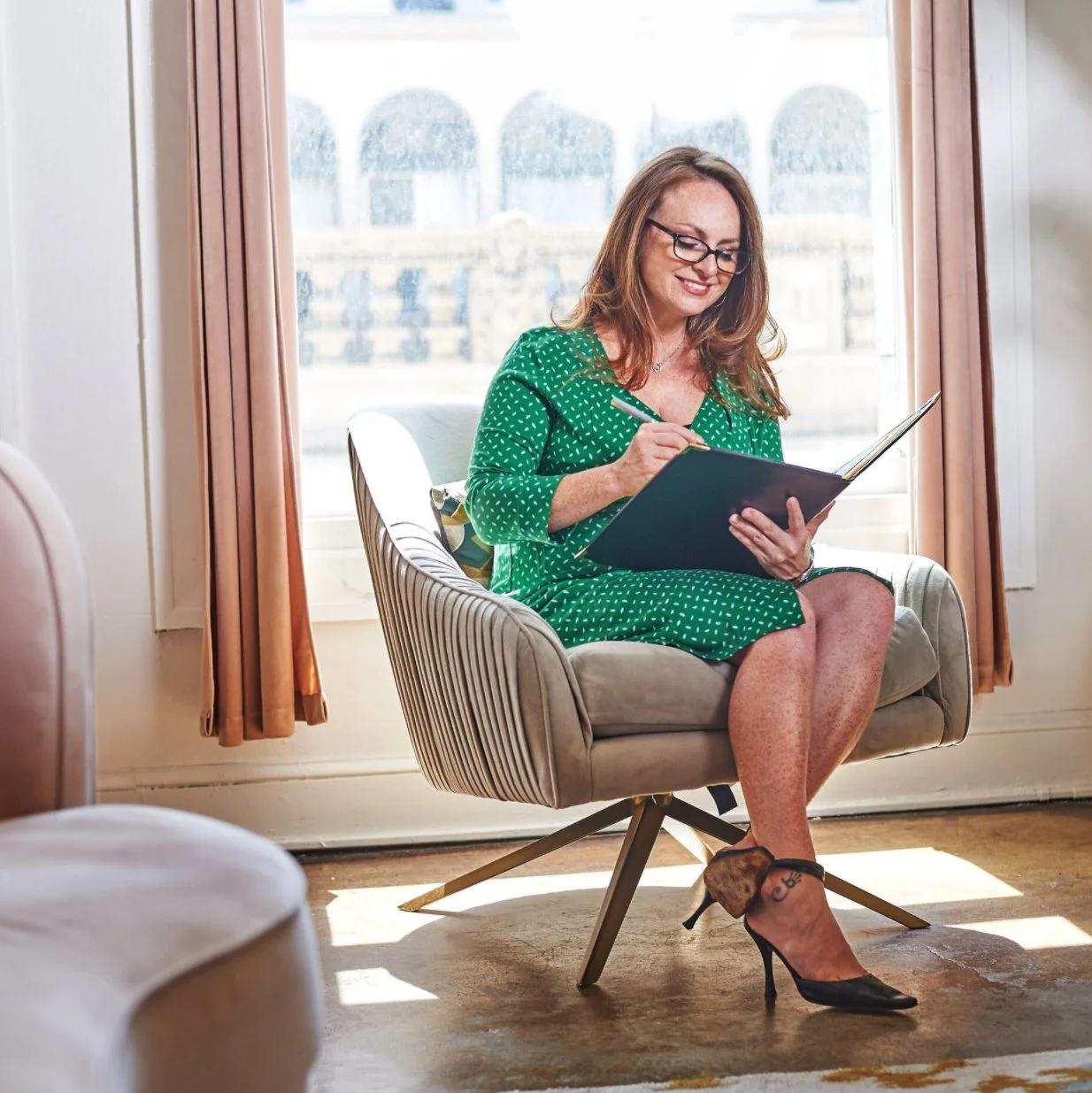
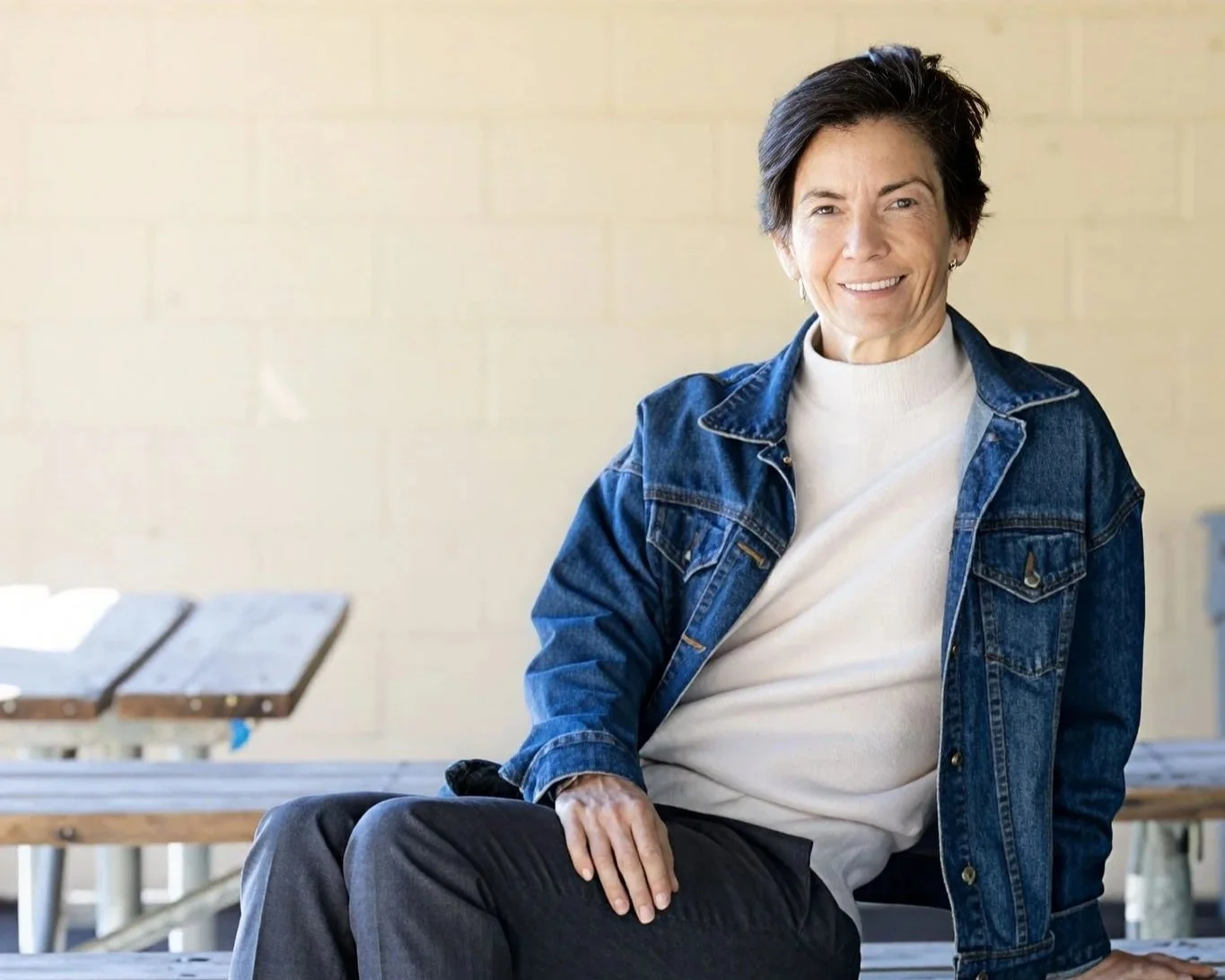
Sex therapist Dr. Miro Gudelsky explains why sex workers often struggle to find judgment-free mental health care and what happens when therapists focus on the person instead of the profession.
Content Advisory: This episode contains discussions about sex work, sexuality, and adult themes and may not be suitable for younger audiences.
Sex work is one of the most talked-about and least understood professions in modern society.
Sex therapist Dr. Miro Gudelsky shares what she's learned from years of working with sex workers and their patrons. Together, we explore mental health, stigma, relationships, shame, identity, and the role of sex work in modern society.
Whether you agree with the industry or not, this conversation challenges common assumptions about who sex workers are, what they need, and why judgment often creates more harm than understanding.
Listen to Dr. Miro Gudelsky’s Interview
Watch Dr. Miro Gudelsky’s Interview
Sex Therapy Through a Human Lens
Dr. Miro Gudelsky: My name is Dr. Miro Gudelsky. I've been helping with people's sexuality issues for several decades. I feel like our society in general is pretty judgmental. This culture of shame, there's so many possibilities and room under this red umbrella of the sex industry. We all have biases. We all have issues. I kept hearing the same narrative of, "I need someone to see me as a human."
Brandi Fleck: Have a heart.
For the next hour with this episode, you'll be immersed into the unique and loving perspective of intimacy expert and sex therapist Dr. Miro Gudelsky.
You may experience internal conflict. You may blush, or you may be completely unfazed by the topics that come up. Either way, you'll gain eye-opening insight into the real human issues of sex workers. From nude models at art studios to the legal dominatrix down the street, sex workers are most likely someone you love and you don't even know it.
Whether you're a patron or staunchly against a career in the sex industry, Dr. Miro is worth listening to, to break down stereotypes, learn from an expert about an area that's highly taboo in our society, and experience the humanization of people who are regularly dehumanized.
The thing is, regardless of what your job is, you still need access to mental health care without being judged. That's the gap Dr. Miro fills.
We start out with her explaining what sex therapy involves, the methodology she employs in her own practice, and then deep dive into who she primarily treats. She focuses on sex workers and their patrons, but sees all types of people too, in a variety of genders and identities, who all experience human issues.
One of the most important topics we discuss is why sex work is so taboo in our society, but also why there's such a demand for it. Then we explore the age-old debate between the sex industry and radical feminists, answering the question of empowerment versus demoralization.
Ultimately, this episode is worth a listen when the kids aren't around, of course.
Dr. Miro is amazing. She's incredibly passionate about her career, and I mean, she loves her job. She gets really animated while she's talking, which you'll hear in our audio, but I wouldn't have it any other way.
You're in for a real treat.
Dr. Miro Gudelsky: My name is Dr. Miro Gudelsky. I'm a sex therapist, a couples counselor, an intimacy expert, and I help people of all genders, desires, and random issues work through sexuality and intimacy, basic ups and downs that everyone faces, so they can have healthy, fulfilling, safe, fun experiences.
My focus clientele for my practice is people in the sex industry and their patrons, but I really see a lot of civilians as well.
Brandi Fleck: That's a lot about what you do on a personal level. How would you describe yourself?
Dr. Miro Gudelsky: Right now, I'm a mom. I have a five-year-old daughter, and as most moms are finding out, they're also teachers. They're also event planners and counselors. They are basic life facilitators.
I'm doing all that kind of stuff too that most parents are doing.
Brandi Fleck: Gotcha.
Dr. Miro Gudelsky: That fills up most of the stuff. I absolutely adore being a mom. It was something I very much wanted to be. It's great actually mothering a child as opposed to trying to mother adults.
Brandi Fleck: A very easy thing to slide into.
Okay, awesome. Now that we know who you are and what you do, for those who have never been to sex therapy, can you give us an idea of what exactly a session with you entails, or just sex therapy in general entails?
Dr. Miro Gudelsky: Sure. That's a great question.
Really, because the word sex is in it, people get all of these ideas. Right off the bat, it's just regular talk therapy. Everyone knows it's hands-off. I don't do any hands-on healing in my practice, even before the shutdowns.
It's really just therapy. People generally come to me with sexuality-based issues, but then there are a lot of people, like my clients in the sex industry, that come to me because they've been referred to me by other sex workers because I can provide a safe, non-judgmental space for them to just have human problems.
Brandi Fleck: Right.
Dr. Miro Gudelsky: If you're asking what kind of methodologies I use in my practice, I mainly stick to something called the PLISSIT model. It's like P-L-I-S-S-I-T. The PLISSIT model. It was invented back in the seventies by a guy named Jack Annon.
It stands for Permission, Limited Information, Specific Suggestions, and then Intensive Therapy.
I go step by step. A lot of people come to me and they have these kinds of desires that they're uncomfortable with, or they feel like maybe something they're doing isn't right.
As long as it is not against anyone's volition and they are enjoying themselves, or it's something that could possibly be fulfilling, I give them permission to exist.
A lot of times, for a lot of us, that's really all we need, just permission to be ourselves.
Sometimes that's where it ends. That's where the therapy with this specific person ends.
Some people need more than permission. They need the limited information. Say some bibliotherapy. Here's some books to read. Here's some websites. Here's some groups. Here's some information that might help you.
That might be where another client ends.
Then if they want or need more, we go to specific suggestions. Maybe this is a technique that you might want to use. Have you considered, for example, a woman who has never had an orgasm, have you considered using a vibrator? This is how you might use it.
I don't show them. I tell them.
Again, going back to limited information, that could include an anatomy lesson. They might not understand where the prostate is or where the clitoris is or something like that.
After all of that, then we can get into intensive therapy.
There's no point in really delving into all the muck and mire until you've covered these first spaces because, again, you don't want to delve into someone's childhood and then find out they just wanted permission.
That's where that goes. There are these different levels of intervention or treatment for the person who comes in, and that's what we go with.
A lot of times after we go through that, it could take anywhere from one session to five sessions, and then they can decide, "Well, I want to continue doing therapy with you," and they do.
I have had some clients that have come in for one session and I hear back from them, "Yeah, I'm good."
Then I have clients that I've been seeing for over a decade, once or twice a week, that are just regular talk therapy. They just need that check-in.
Brandi Fleck: Yeah. Great. Well, all that sounds really good. Why did you decide to become a sex therapist?
Dr. Miro Gudelsky: I was in my mid-twenties and I was getting to that point where I really needed to figure out what I wanted to do with the rest of my life.
I was like, "Oh, it looks like I'm going to be living a while."
In your teens, and at least for me, late teens, early twenties, I didn't really prepare to live a long life. Then when I saw that things were going that way, I went, "Oh, well, I should figure out what I'm going to do."
I did one of those things that people do where you write down all of your strengths.
What am I good at? What do I enjoy doing? What do I like to read about? What do I like to watch? What do people come to me for?
Honestly, one of the things in each box was sex. In each column was sex.
People have always come to me, since I can remember, asking me questions and advice. For some reason, when they would actually listen to what I said and follow it, things in their life would improve.
I just took those two things, my chart that had sex in all the columns and this advice thing that I seemed to be really good at, and hearing people tell me, "Wow, you could charge for that," over and over.
I went, "That's what I'll do. I'll become a sex therapist." Yay.
Brandi Fleck: Awesome.
Dr. Miro Gudelsky: Pretty basic, actually.
Brandi Fleck: How long have you had your practice?
Dr. Miro Gudelsky: I have had a private practice since I got my doctorate, which was in 2008.
Brandi Fleck: Okay, awesome.
Dr. Miro Gudelsky:
As a doctor practicing sex therapy since 2008, but I've been helping with people's sexuality issues for several decades, at least twenty years.
Brandi Fleck: Okay. What does a day in your life look like right now?
Dr. Miro Gudelsky: Let's go with right now.
It's like most people. You get up, you get everyone ready, you get yourself ready, you get the computer set up for remote learning for the kid, get all that.
You sit there, you drink your coffee. You have some sessions of your own, which I can't do in front of my child because it's usually adult content. We definitely have to have separate rooms, so I need help with that.
Making dinner, getting everyone baths, everything. Sometimes I get to take a walk and I try to make time for myself, get some exercise.
I have been doing a thing since May where after I put everyone away for the evening, I do some yoga.
Brandi Fleck: Since things have changed and you're basically running your practice from home and doing everything remotely, how are you holding up? Is it okay? Are you finding that you still enjoy it?
Dr. Miro Gudelsky: I mean, I love my work. I don't see it as a job. It's my career. That whole differentiation. I love helping people. I love talking to people.
It feels great when I can help them. It feels great when I can just hold space. I can't really help other than holding space, which can be very helpful sometimes. I'm totally unhelpful, and that's okay too. You can't judge yourself on those days.
I love my practice, and I think it actually helps because I am having these interactions with other humans on a very, very deep level. They're not getting my emotional input or output, but I am able to experience other humanity and other emotions and trials, tribulations, traumas, successes, loves, and losses.
Honestly, I find it pretty helpful in this environment. It was not a big transition for me, as I have clients from all over the world, and 95% of my clientele were remote anyway.
Brandi Fleck: Oh, awesome.
Dr. Miro Gudelsky: It was very simple. I had an office that I just let go of in December. I was like, "Okay, yeah, there's no reason for this."
Most of my clients were remote anyway. That wasn't a term when I started seeing people on Skype and FaceTime ten years ago, but yeah.
Brandi Fleck: Great. Now I really want to know what made you decide to specialize in and focus on the sex industry, and in particular, different types of sex workers.
Seeing Sex Workers as People, Not Stereotypes
Dr. Miro Gudelsky: That's an excellent question. A lot of people ask me that.
First of all, just so there's no mystery, what am I referring to when I say sex workers or people in this industry? That's probably where I should start.
That can be something as innocuous as a nude model in a painting studio. I guess it would be online. I don't know. I think they're still doing art class, right?
That can be something as simple as that, as someone using their body in that way, to escorts, to adult performers, which is porn stars.
I have a lot of professional doms, dominatrices, in my practice. It really runs the gamut. Erotic dancers, strippers, cam girls, all of that.
Male and female, non-binary, really any shade of age or gender that you could think of, and pretty much any ethnicity as well.
Basically, a sex worker is someone who works in the sex industry. They make money for it, and it is their volition.
I have the privilege with my clientele that they chose to work in this industry. It is very different from trafficked people, which some people conflate.
I do have a few clients that were previously trafficked victims, but the majority of my clients are in the sex industry of their own volition.
The sex industry isn't the same as trafficking.
Brandi Fleck: Gotcha. Okay, just to clarify for any listeners that are like, "What is she talking about? This is awful."
The Search for Judgment-Free Mental Health Care
Dr. Miro Gudelsky: Yeah. It's good to know. It's a whole debate.
It just kept coming up when I was working on my doctorate. Folks that I knew in the sex industry kept saying the same thing.
I kept hearing the same narrative of, "I need human therapy. I need someone to see me as a human. I don't want to go into therapy as a dog and pony show. I don't want to be their entertainment and regale them with stories of my work. I don't want to have to explain what I do, and I don't want to be judged for what I do.
I don't want to be told, 'Well, your problem isn't that you're a human and you're in a relationship, and humans have problems in relationships. People have money problems. People have issues with their mom, with their dad, whatever your problem is. Your problem is that you take your clothes off for money, and you need to stop doing what you do, and then we can talk.'"
Or just assuming that something horrific happened to this person at some point in their life to force them into this vile life.

It was amazing to me how many therapists were so negative, so judgmental, and unable to truly see their clients in front of them as, again, the human.
Brandi Fleck: Yeah.
Dr. Miro Gudelsky: As a person who just needed that support and unconditional listening kind of thing that you give.
It's not really unconditional. There's money exchanged. That was the wrong word. There are definite conditions.
Brandi Fleck: Yeah.
Dr. Miro Gudelsky: I think I started off by saying everyone just wants to be loved and accepted. Just being that, it broke my heart.
I was like, there is a giant need for this. Someone needs to be out there helping.
I was like, okay, well, my grandpa always said, "Whenever you say someone should be, that someone needs to be you."
Brandi Fleck: Oh wow. That's good advice.
Dr. Miro Gudelsky: Yeah. If you think about it, it really is.
If you're bothering to say someone really should do blah, blah, blah, well, get on it, girl. What are you doing? Don't just sit there talking.
Brandi Fleck: Yeah. I'm a big believer in that as well.
Awesome. You brought up a really interesting point, which I think doesn't get talked about very often, which is therapists and even doctors in general bring their own baggage. They bring their own worldviews, everything in, and it can definitely affect how they treat their patients.
Dr. Miro Gudelsky: Most definitely.
People don't remember that. Oh yeah, you want to be heard and treated like a human, but you've got to remember that I'm a human too.
I do have emotions. I do have feelings. I might have just had an argument with my mother. This session might be severely triggering for me, and I've just got to power through. You have to rise above it.
There are moments where you do have an experience. Sometimes I have actually had to say that to my clients.
"Wow, just for transparency, this is somewhat triggering to me as well because I have had an experience in the same vein, and hopefully we can work together and I can use this experience to help you."
I am very open in that way. I'm not one of those therapists that just has a stone-cold, expressionless face. No response. I very much have a dialogue with my clients when they want one.
When they need to have their monologue, the stage is theirs, of course. Their time is theirs. That is their space. That is their self-care.
But there are a lot of moments when I'll say those words that a lot of women know:
"I have some thoughts. Would you like to hear them?"
Sometimes they'll say no. Sometimes they'll go, "Oh yes, please. That's why I'm here."
There are a lot of therapists out there that have their own biases. We all have issues. We all have traumas, whether they're big or small.
Who's to judge whose is bigger than someone else's? We all have triggers. I don't know anyone who doesn't.
I'm sure even the Dalai Lama has little triggers that are going to get him. You know what I mean?
Brandi Fleck: Yeah. Okay, so I think I've heard you say there was a need for this, and you hold space for them as a human.
You're working on their personal lives and their professional lives. Is that correct?
Dr. Miro Gudelsky: Just as much as if someone came in who worked at a law office.
They were complaining about how they didn't get the promotion, or they were complaining about how their work was interfering with their personal life, or they don't have enough time for this, or they need more money, or they need less of this.
All the same things apply pretty much to all occupations.
Lawyers can be pretty hated as well.
Brandi Fleck: It's true.
Dr. Miro Gudelsky: There's a real taboo about becoming a lawyer in some families.
Brandi Fleck: Well, that's a good point. What is it about our society that you think makes sex work taboo yet necessary?
Dr. Miro Gudelsky: Well, isn't that the question? As you know, I can talk volumes pretty much on anything, and this is a big one.
Brandi Fleck: I am super interested to hear what you think about this one.
Dr. Miro Gudelsky: I feel like our society in general is pretty judgmental, right?
Everyone is judging everybody else. I'm trying to think of the quote where someone was like, "What does it mean to be kinky?"
It's like, "Whatever is too much for me in my bedroom, that's kinky." This idea of whatever crosses the line for someone, that is too much.
With sexuality-based issues, people get their lines crossed a lot because most of us were raised very conservatively with this idea that sex, in general, is taboo.
Even between a man and wife, if you want to take basic binary, heteronormative, cisgendered, all the words, even that is taboo in a lot of families.
The idea of sex positivity and being raised to love your body, to appreciate your body, to know your body parts, to actually be raised calling different genitalia by the real names, like vulva instead of hoo-ha, or learning that, "Actually, that's not a vagina. My vagina is inside my body."
Just little basic things like that can make a really big difference in a future adult's life because when you're taught that you can't even name these body parts, you have to come up with these nicknames, it means that you can't talk about any of it.
How can you really have a focus inside yourself to respect your body that you can't even name?
When you say, "Why is this so taboo?" I feel like it starts as babies.
As you know, as a mom, babies touch themselves. They're sensory-oriented.
When they first touch their genitals, those facial expressions that their caregivers make are imprinted into them.
They can sense our discomfort. They can sense, "Oh, touching this is bad. Why is it bad? Oh, so I'm bad. Oh, so anything that feels good like this is taboo and not to be spoken of."
These ideas of self-pleasure or self-exploration are not on the table.
That carries into adult life. That carries into our relationships with others.
If my body is bad, then how can your body be good?
How can this person possibly be enjoying herself, or himself, or theirself?
How Shame Shapes Our Understanding of Sexuality
Dr. Miro Gudelsky: Their body that should be hidden. They should be ashamed. There is something wrong with them. Where is their shame?
I think that's a lot of it. This culture of shame can really, I hesitate to use the word, but it can really penetrate our entire lives and our lifestyles.
Brandi Fleck: Yeah.
Dr. Miro Gudelsky: People rebel against it and go off the deep end and engage in very dangerous behavior, or they can just close down, which is just as dangerous.
When you see someone who is not ashamed of their body, who is not only proud of their body but they're actually making money off of it, that is unacceptable. That's just unacceptable. That's that mindset.
When you're dealing with that kind of mindset, there are going to be a lot of situations where it's a perfectly happy couple, let's say, but one of the members of the couple really wants to do something else in the bedroom, or in the kitchen, or just anywhere.
This goes for women and men and everyone else. They know that if they even brought it up to their significant other, they would be completely demoralized.
"You want what? That's disgusting. You're a freak."
This idea of having other outlets. Oh, you can hire someone to do that. Oh, I can go to a place and watch women dance erotically and I can appreciate that. That's awesome.
How great is that? I just have to give them money. No strings attached. They're not going to show up at my home. They're not going to do this. They're not going to do that.
Or I can actually hire someone to do these things to me.
Or a dominatrix. Maybe she really just wants to be tied up and her husband doesn't want to tie her up. There are people you can go to do that for you, and that is amazing.
Brandi Fleck: Yeah.
Dr. Miro Gudelsky: Those are just two very simple examples.
The Role of Sex Work in Modern Society
I think there is a need because people should have freedom of expression, verbally and sexually, on a lot of different levels. I think it's very important to be able to do that.
Or even explore safely with a professional. It's much safer to hire someone to come have sex with you than to go pick up some random person in a bar when you're drunk or high.
Brandi Fleck: That's interesting. I bet a lot of people don't think about that.
Dr. Miro Gudelsky: Again, it's transactional.
When we're talking specifically about sex, which this isn't, because most of my clients actually don't have sex with their customers, to be honest, but when we are specifically talking about sex, I think that it is the safest way for someone to have a one-night stand.
There are no strings attached. There will be safer-sex practices put into place. Hopefully there's more chance of that.
You know what you're getting. They will leave. It's the old thing, like you pay them to leave.
It's also one of the only facets of employment that women make more money than men in. I don't want to leave this out.
Whether you're talking about adult performers, escorts, doms, or whoever you are speaking about, they not only have a flexible schedule, which is incredible for those of us who have to put ourselves through school, for those of us who have children, for single moms.
They need a lot of money, and they need a flexible schedule. In comes the possibility of being a sex worker. Women do make much more money than men, and they do have a flexible schedule.
There is also room for all sorts of bodies, all sorts of genders, non-binary, trans, et cetera. There's so much possibility and room under this red umbrella of the sex industry.
Brandi Fleck: Yeah.
Dr. Miro Gudelsky: I want to make sure to include that.
When you're asking why it's necessary, well, this is some people's only possible way of making money. This is some people's only possible way of paying their rent on time, feeding their kids, getting that doctorate, keeping grandma healthy.
You know what I mean? There are a lot of really important parts to this.
Brandi Fleck: Okay. When you bring that up, which is a fantastic point, it makes me wonder though, how much of a choice do some people have when they need that money and they have to do it?
Do you get clients who feel like they were backed into a corner because of the financial situation, and so they had to choose this industry even if that wasn't necessarily their life's dream?
Dr. Miro Gudelsky: Sure. That's an excellent question, but you can ask that of anyone in any occupation, really.
You can ask the bagger at the local grocery store. You can ask the gas station attendant. You can ask the guy who has a doctorate in another country and came here and is having to drive an Uber.
Do you know what I mean?
Brandi Fleck: Yeah.
Dr. Miro Gudelsky: Is this really what you want to do? Are you really satisfied with this?
No, but I need to pay rent. This is how I do it.
Again, I just pose those questions back.
Just because sex is involved, we suddenly go, "But wait a minute. What if you don't want to do it?"
Who amongst us wants to get up and go to our job every day?
Not a lot. I'm an anomaly in that. But there are a lot of days I don't want to get up and mom, and that's one of my jobs that I chose that I'm not getting paid for.
You can take it in any direction like that. Of course I have some clients that are like, "Oh God, I don't feel like doing this," or, "Oh God, I don't really like this client."
I'm like, okay, well, what does it look like to not see that client? Let's talk about our other options. Let's figure out if you are miserable. Are you going to be less miserable delivering groceries? Are you going to be less miserable doing something else?
Is this going to be better on your back? There are a lot of questions involved there.
Brandi Fleck: Yeah. That makes a lot of sense.
I think a lot of people would be wondering that, which is why I asked that.
Dr. Miro Gudelsky: Of course, and I appreciate that. It's a really good question.
People are like, "Who would want to do this?"
I'm like, do plumbers really want to come plumb people's crap?
Probably not, but it's good money.
You probably don't want to go to that house that always has the backup, and they know what they're going to be dealing with, but it's money.
Brandi Fleck: Yeah.
Dr. Miro Gudelsky: And it's needed.
If we didn't have people to do those jobs, it would be a really, probably more shameful society.
Brandi Fleck: Necessary service.
Dr. Miro Gudelsky: Exactly.
This brings me to the point.
Over the years, I've actually seen public debates that have gone on tour, even with pornographers debating professional feminists, or really people who oppose the sex industry.
The sex workers think that it's empowering, and that's their side of the debate.
The other side is that this is demoralizing and dangerous.
Brandi Fleck: What do you have to say to both of those sides?
Empowerment, Feminism, and the Adult Industry Debate
Dr. Miro Gudelsky: It's interesting to me because it's such a sad debate in a sense because it's so heated and so passionate, and neither side is going to convince the other.
Most people are somewhere in the middle. I think it really started with the radical feminists of the late sixties and early seventies.
If you want to go to Catherine MacKinnon, who I believe was the one who felt like any act of penetration by a male is violent. Any act of penetration on anything or anyone is violence.
We're going back in history here, of course, but this is where it was kind of starting.
This idea of bra burning and all men are violent and get them away and da-da-da, which has turned into "the future is female," which has turned into a lot of other things.
Back then there was this idea that, in my opinion, I found very patronizing when I was researching this because I wasn't aware of this stuff. I was a baby.
The idea being that even a woman who claims to feel empowered and is doing any type of sexual acts of her own volition, whether on camera or off, is just so naive that she doesn't even understand the ingrained patriarchal mess that is her head.
Okay? It's the "oh, bless her heart." People from the South understand how mean that is.
Brandi Fleck: Yes.
Dr. Miro Gudelsky: Our Yankee friends don't really understand how mean that is.
It's this idea of, "Oh, bless her heart. She knows not what she does. I will raise her up and show her how she should feel shame and how she is being wronged."
That then goes into people saying that anyone who is doing pornography is being coerced. Anyone in the sex industry is being coerced.
There's this side that says this is wrong, this is shameful. This should be a private thing between a man and a woman who are married or in a serious relationship.
It's just not a premise that we can really start from because it's not realistic in this day and age.
I don't know what day and age it was realistic in, to be frank.
That's basically it. It's based back on the teachings of MacKinnon, who really did a number on a lot of feminists.
It's really unfortunate. Of course, I come to this table with a lot of biases, which is the complete opposite. A woman who is using her body is empowering herself.
Which is also where a lot of the adult performers come from in this idea of, "Are you kidding me? I've built an empire on this stool. I am proud of my body. I take care of it. It is what I use to make money, so I do all the self-care. I do all the things. I treat my body like a temple, and I am not ashamed for people to see it being, quote, violated. It can be a lot of fun."
There are these different sides, and they're both very extreme.
If you don't subscribe to either extreme, it's hard to hear these debates and understand where to go with that.
Like, wait, should I be worried about these gals in the pictures I'm watching? Should I be worried about some of these men I see on my phone? What's going on here?
Then from the other side, you're like, "Oh, well, maybe I'm just really prudish. Maybe I should be on camera."
It's hard. Again, you have to use your own critical thinking. You have to use your own feelings about your body.
Of course, if you are consuming any kind of pornography, you should make sure it's, quote, ethical, which means everyone is over eighteen and everyone is doing things of their own volition. There's ways to check.
There are companies that are owned, run, directed, and written by women if you want to support women.
If you want to support people of color, there are entire companies and studios that you can find depending on what niche you are interested in.
Support your ethics and your pornography. Totally. You can do that.
Brandi Fleck: Awesome.
Dr. Miro Gudelsky: I think that's a good thing too.
It's ethical to support these people.
If you are worried about that, you can do research. Look into it.
Like anything.
We were talking the other night. Look into the chemicals that you're using in your home. Look and see what kind of things are in the candles you might light.
Look and see the background and who's running the porn you're watching.
It's just a couple Google searches away. It's nothing that complicated.
Brandi Fleck: That's an excellent point too.
It's refreshing to hear a perspective that is not necessarily the mainstream or the norm.
Dr. Miro Gudelsky: Again, just to clarify for your listeners, not all feminists have this belief system.
There are extremely sex-positive feminists, which I consider myself to be one.
Again, feminism has taken on a very strange definition depending on who you are.
For me, it's more this concept that we are all equal. We are all, again, it's perfect for your podcast, we're all humans, right?
No matter how you identify, we're all humans.
I feel like, for some reason, I'm a little bit biased as a female. I feel like because we can give life, then it's our responsibility to help people join together as humans.
Not "the future is female." That doesn't sit right with me. Don't put "the future is female" on your child's T-shirt if he's a boy. What does that say to him? What kind of boys are we going to be raising?
Again, this will be controversial, but what kind of boys are we raising where we're telling them there's no future for you as a male?
Just sit down. Be quiet. The future is female. I do not subscribe to that. Cancel that subscription. I'm very much about equal equals.
Brandi Fleck: Awesome. That's very refreshing.
I'm going to transition now into the challenges that your clients often face.
Let's approach it from the human angle.
Regardless of what their job is, what are just the general problems that people typically have?
Common Struggles Behind Every Occupation
Dr. Miro Gudelsky: Generally speaking, if we're just talking about civilians, people think they're getting too much, too little, want too much, want too little. They're too small. They're too big. They're too loose. They're too tight. They say too much. They say too little.
It's all this comparison culture that we live in.
Brandi Fleck: Okay.
Dr. Miro Gudelsky: I think that has a lot to do with things. A lot of my clients are also patrons of people in the sex industry too, who were incredibly judged by therapists in the past.
Again, it's this idea of, "Oh, you have a problem. You have this addiction to sex."
It's like, no, he just wanted to get laid monthly and his wife wasn't having sex with him. That's really sad.
But he had this outlet. Maybe that's not the only problem. Maybe you need to examine your marriage and find out what's going on there. You know what I'm saying?
Beyond that, that's just a little example.
People have problems. People have problems in their relationships. Especially right now when everyone is locked up with each other. Not enough space to go away and be missed.
People don't have time to miss each other. Everyone's on top of each other, seeing how everyone does things, and nobody does things exactly the way you want them to.
As far as couples go, that seems to be a big one.
Brandi Fleck: Okay.
Dr. Miro Gudelsky: That's basically it in a nutshell.
The Challenge of Being Fully Seen
Then when you put on the added layer of being in an occupation that you may not be able to tell anyone about, your entire family doesn't know you're doing this, you're living a lie, or they're constantly scared of being outed, that can cause a lot of issues.
That causes health issues. It's been proven that when you're not living a true life, when you are hiding massive parts of yourself, it can result in different illnesses.
I firmly believe that and respect that research. There's that as well, just needing someone they can talk to about what they do.
There are some people in my practice that don't even tell their significant other that they're living with what they do.
Brandi Fleck: Oh wow. Okay.
Dr. Miro Gudelsky: Imagine. It's this constant fear of being discovered.
There's also that, which I try to work on. Is there any way that we can be more open about what you do and your lifestyle? Is there any way that you can be around other people that you can be open with?
Let's find community. Let's find a space that you can actually be yourself in.
It causes a lot of problems. It's a similar issue to what was happening with politics, where if you were liberal living in a very conservative town, you couldn't be open about that. The same went the other way.
If you were a Trump supporter in a liberal town, you couldn't say that for fear of getting fired.
It went both ways. Maybe if I put it like that, people can understand the stress that is involved there.
Brandi Fleck: Right. Yeah, that has to be really stressful.
Dr. Miro Gudelsky: There's that aspect of it, and then there's just the basic relationship issues too.
It's really hard to be in a relationship as someone who might, let's say, have sex with other people for a living, whether it's on camera, off camera, or whatever, and then find a significant other or partner who is okay with that and is okay with themselves enough that they understand that's a job, and they leave and they come home to them.
Brandi Fleck: Yes.
Dr. Miro Gudelsky: That's an additional layer. There are so many layers here that you can just start peeling.
Brandi Fleck: Okay. Well, thank you for breaking those down.
That was really helpful. You mentioned to me before we got on this call that some different challenges have arisen since the pandemic has hit for sex workers specifically.
Can you tell our listeners about some of those challenges?
Dr. Miro Gudelsky: Sure.
The Human Cost of the Pandemic
Let's say your job was going to people's homes and having intimate experiences with them. Not necessarily sex, but some form of intimacy.
Or your job was dancing in a club that is shut down.
You can't go to people's houses. You can't dance in your club.
People who were doing transactional sex from the streets were completely messed over because nobody was out. You weren't allowed to be out on a street.
That's a real transition because suddenly your mode of employment is completely taken away.
Plus, when people were getting their stimulus checks, regardless of how big or small, helpful or unhelpful they were, anyone in the sex industry was not qualified to receive that because they just weren't.
Whether it was legal or illegal.
Porn work, totally legal. Exotic dancing, totally legal. A lot of these things were totally legal. Sex shops, totally legal, where you might buy toys and books or whatever.
People working in those places were not eligible.
There was all this too. Not eligible for unemployment.
What was amazing, though, was how community forms in crisis.
I've just been blown away by how there have been these community fundraisers for sex workers.
Brooklyn SWOP, the Sex Workers Outreach Project, has been amazing at fundraising and distributing much-needed supplies and money to people in the industry.
There's been a lot of other things like that too.
The only people that are doing really well were the established cam girls. They are doing amazing.
Brandi Fleck: Okay.
Dr. Miro Gudelsky: I'm not really worried about them.
Brandi Fleck: That's a lot of stuff that I just feel like people don't think about in their everyday lives.
Dr. Miro Gudelsky: But why would they?
And why would most people care? That's the other issue.
Most people are like, "Yeah, well, why would they get money?"
It's a very dehumanizing, shame-based experience.
Brandi Fleck: Yeah.
Dr. Miro Gudelsky: But again, it's like, well, this was their choice.
Brandi Fleck: Yeah.
Dr. Miro Gudelsky: Their choice? Really? This was our choice to have a total shutdown, lockdown, global pandemic?
Brandi Fleck: Yeah.
Dr. Miro Gudelsky: These are issues, and these are fellow humans.
For the listeners out there, this could be somebody you love and you don't even know they're going through this.
I just want the wheels to be turning over this.
There's actually a slogan. I forget who came up with this, but it was, "Someone you love is a sex worker."
You don't know. You have no idea.
Brandi Fleck: Yeah.
And it's not like you can check on someone like, "Hey, are you that person?"
Let's survey all of our family and friends.
Dr. Miro Gudelsky: It's not the most popular Zoom Thanksgiving dinner topic.
Brandi Fleck: Yeah.
Dr. Miro Gudelsky: But when you think about it, the odds are the odds.
Brandi Fleck: Now I want to transition back into you personally a little more as we close out the episode.
How does your professional life impact your personal life?
Dr. Miro Gudelsky: That's a great question.
You should be asking my partner about that, who is very vocal about saying, "I've seen behind the curtain. I can't go to therapy now."
But how does it impact my personal life?
I feel like sometimes it makes it harder because I feel like I have all the tools and I'm able to give such great advice to other people, but when it comes to me, I can't be my own therapist.
I think I do the same thing that a lot of women do, which is, "Wow, I should have known better. I just walked right into that one."
These different spaces where we can really be hard on ourselves.
I feel like even if I'm helping this person with this issue, it doesn't mean I can help my partner or myself with that same issue.
I need someone else to do it. I'm way too close. I'm way too close to it.
I'm just seeing the trees. I'm not seeing the forest.
But I love my therapist so much. Being able to talk to her every week and take a step back, that really is helpful.
I'm a firm believer in therapy, but again, I'm very biased.
I think it creates this higher standard that my partner holds me to because he's like, "You're a therapist. You should know better."
There are things like that that will come up. But again, when it comes down to it, we're all humans and we all have emotions, and these are really stressful times.
We're all just navigating them as best we can. I've never been a mom during a pandemic before with a long-term partner, managing a house and a career.
No one's done that before. We're really inventing the wheel here.
Brandi Fleck: Yeah.
Dr. Miro Gudelsky: Okay. I don't like doing that. I like making the wheel better.
Again, you just have to find that joy and that bliss where you can, and then try to let the other stuff roll off you as best you can.
I think what I've worked on the most over this past year is not getting mad at myself for messing up, quote, messing up. Not getting mad at myself for falling.
One of my favorite proverbs of all time is, "She who falls on her face travels forward."
Brandi Fleck: Good advice.
Dr. Miro Gudelsky: I try to remember that when I fall down.
Brandi Fleck: Last big question. What would you like to see change in our society to make it better for more people?
Dr. Miro Gudelsky: I would like COVID to go away. That's kind of at the top of the list.
After that, gee.
I mean, it risks sounding all hippie and "Free to Be... You and Me," which for your younger people, that's a seventies reference. That was a book and a record that a lot of seventies kids grew up listening to.
I wish people could just stop judging other people so harshly and allow people to navigate life with the understanding that we're all doing the best that we can at this moment.
I think if everyone could just really approach life like that, things would be a little bit easier.
I mean that in regards to our own self-talk as well as our opinions of other people.
When you see someone acting like a total idiot, just remember, you may be seeing this person at the lowest point of their year. This might be the worst point for them, and they may be going into shame spirals at any moment.
Have a heart. Have some empathy. I really try to live by that. I don't always succeed, but I really try to keep that in mind.
Brandi Fleck: Yeah. Something that I try to do is if I find myself passing judgment in any way, I try to stop and be like, okay, what is it about myself that's making me feel that way about what's happening here?
Because that other person totally has the right to just be who they are.
Dr. Miro Gudelsky: Preach. Exactly. I do believe that, but how hard is it to do that?
Brandi Fleck: Oh, super hard. Really hard.
Dr. Miro Gudelsky: That's the thing. Again, it's the forgiving yourself for even forgiving yourself for being all judgy.
It's okay. We're just doing the best that we can. The best we can.
Tomorrow is another day. You're going to wake up tomorrow and you're going to try to do your best again.
That's the thing. Even at your worst, you're still doing your best.
You might not be proud of your best at that moment. It might not be a hold-your-chin-up-high moment, but it's still what you could do. That's okay.
Brandi Fleck: Well, awesome. How can our listeners find you? How can they get in touch with you, work with you, all of that good stuff?
Dr. Miro Gudelsky: I have a website, DrMiro.com. That's my website. That's the easiest. I have other social media that I'm not really on very much.
I have Instagram, which I hardly ever post on, but that's Miro Gudelsky. That's just my name. That should be enough. You can find me.
Brandi Fleck: Awesome. We'll have that in the show notes for everybody to go check out.
I just want to thank you so much for coming on the show. It's been an absolute pleasure talking to you today and just learning and hearing your amazing, unique, and expert perspective.
Dr. Miro Gudelsky: Thank you, Brandi. This was a delight. I loved this. Thank you for having me.
Join the conversation!
Feel free to share your own experience and let me know if you have any questions in the comments.
Related Posts














Hi, I’m the founder of Human Amplified. I’m Brandi Fleck, a recognized communications and interviewing expert, a writer, an artist, and a private practice, certified trauma-informed life coach and Reiki healer. No matter how you interact with me, I help you tell and change your story so you can feel more like yourself. So welcome!
Find More on the Blog
Topic
- ADHD
- AI
- Atlanta
- Black and BIPOC
- DIY
- FAQ
- LGBTQIA plus
- Los Angeles
- Nashville
- Seattle
- St Louis
- St. Louis
- UFOS/UAPs/ETs
- abuse
- accountability
- addiction and recovery
- adoption
- affirmations
- afterlife
- altered state
- angels
- animals
- anxiety management
- art
- astrology
- atlanta
- attachment
- awakening
- beauty
- behind the scenes
- being human
- body image
- body work
- boundaries
- brandi fleck
- breathwork
- bullying
- burn out
- burnout
- cancer
- career
- caretaking
- chakras
- channeled
- clarity-dive
- clarity-practice
- clarity-primer
- clean products
- coach
- codependency
Recent Blog Posts
Visit the Full Podcast Audio Archive

Affiliate