
Race, Civil Rights & Social Justice
Blog
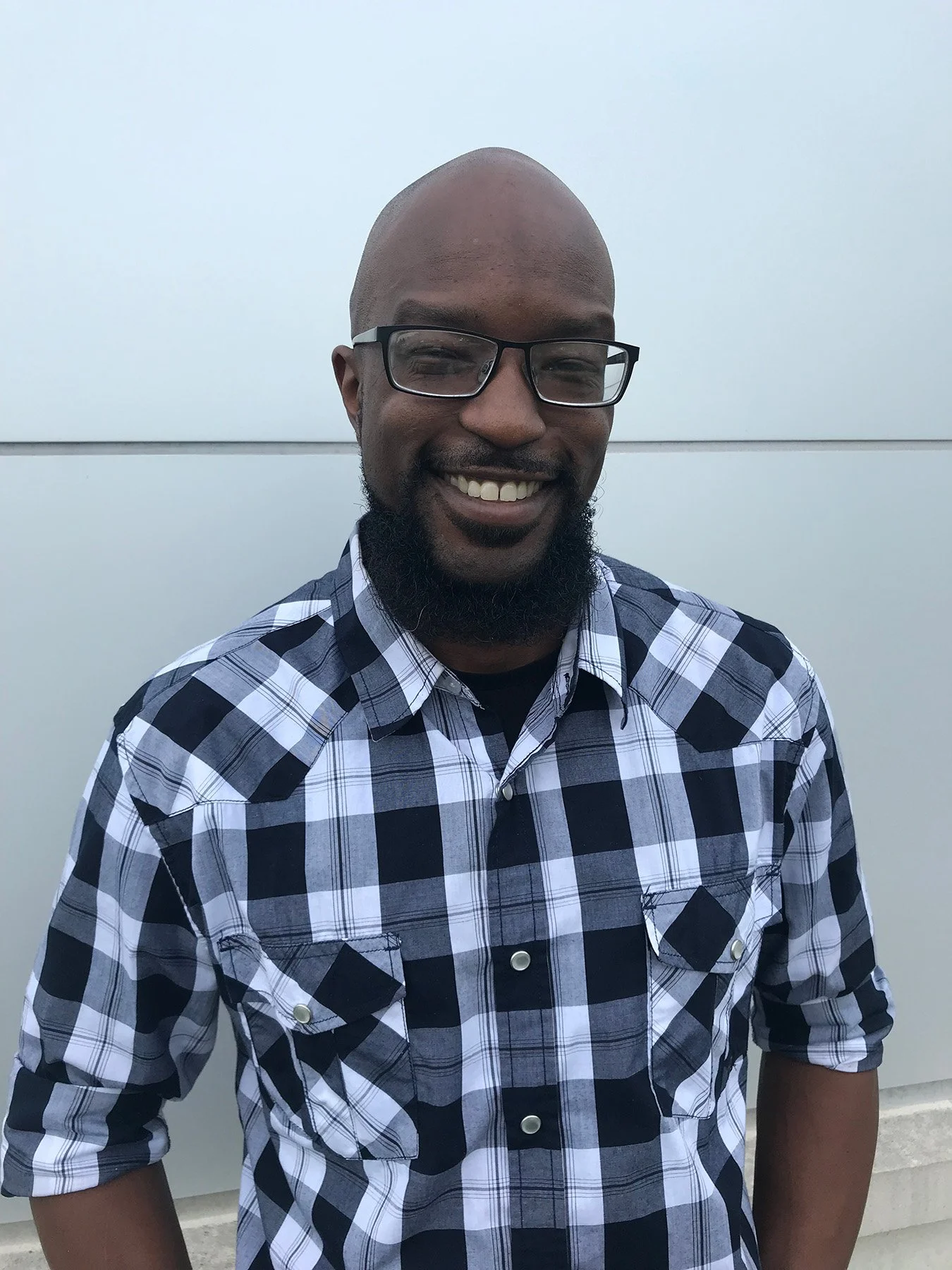

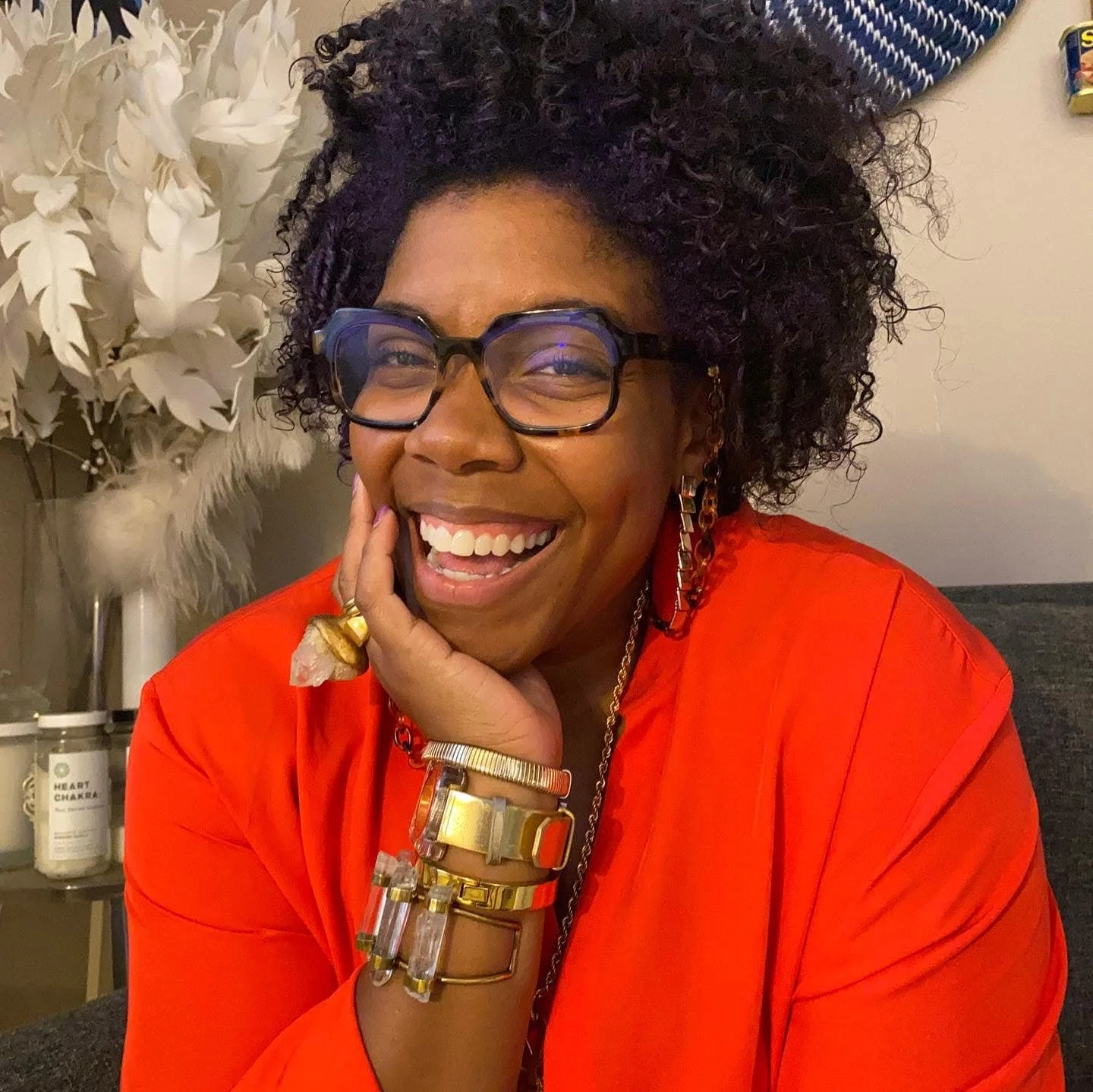
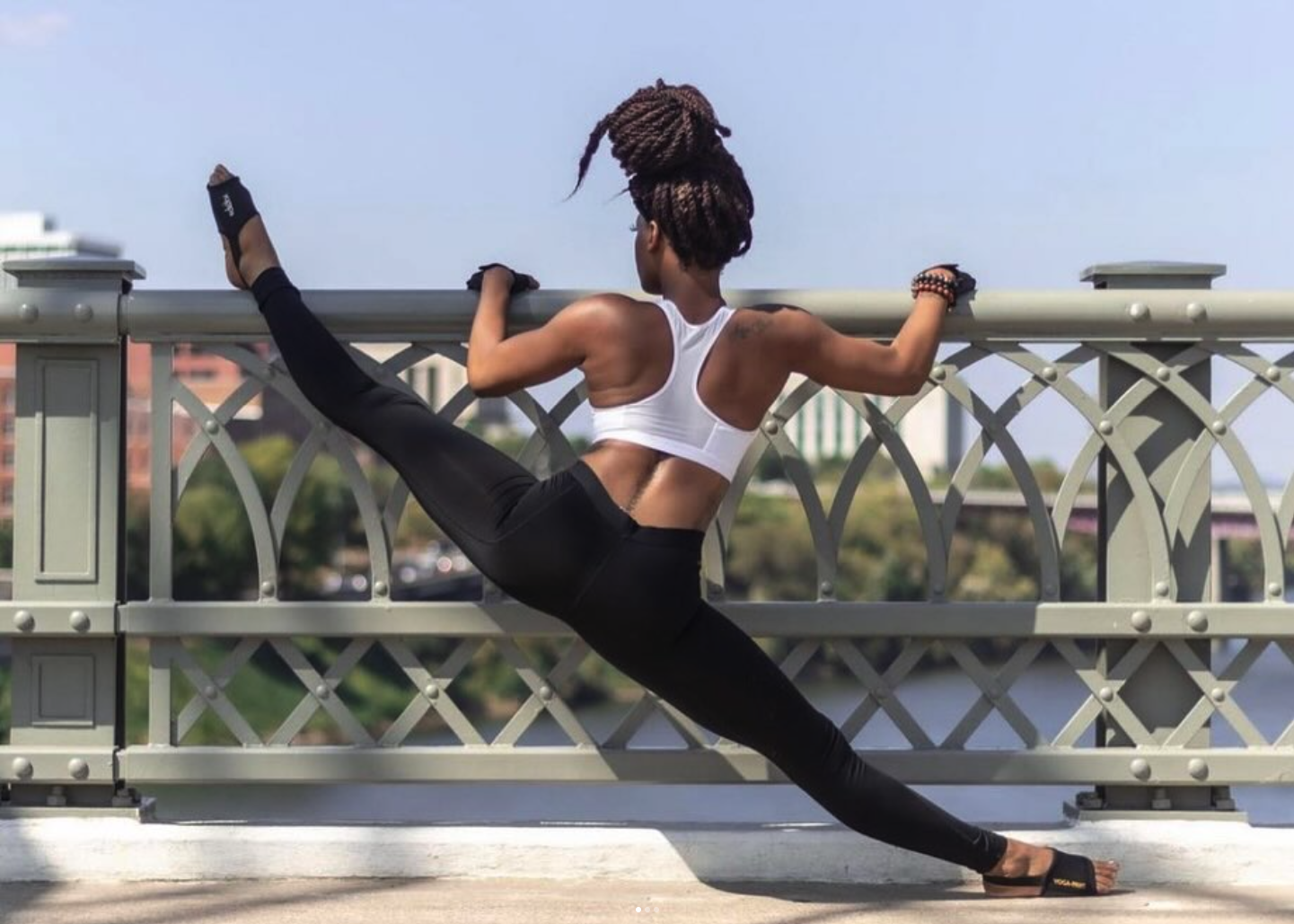
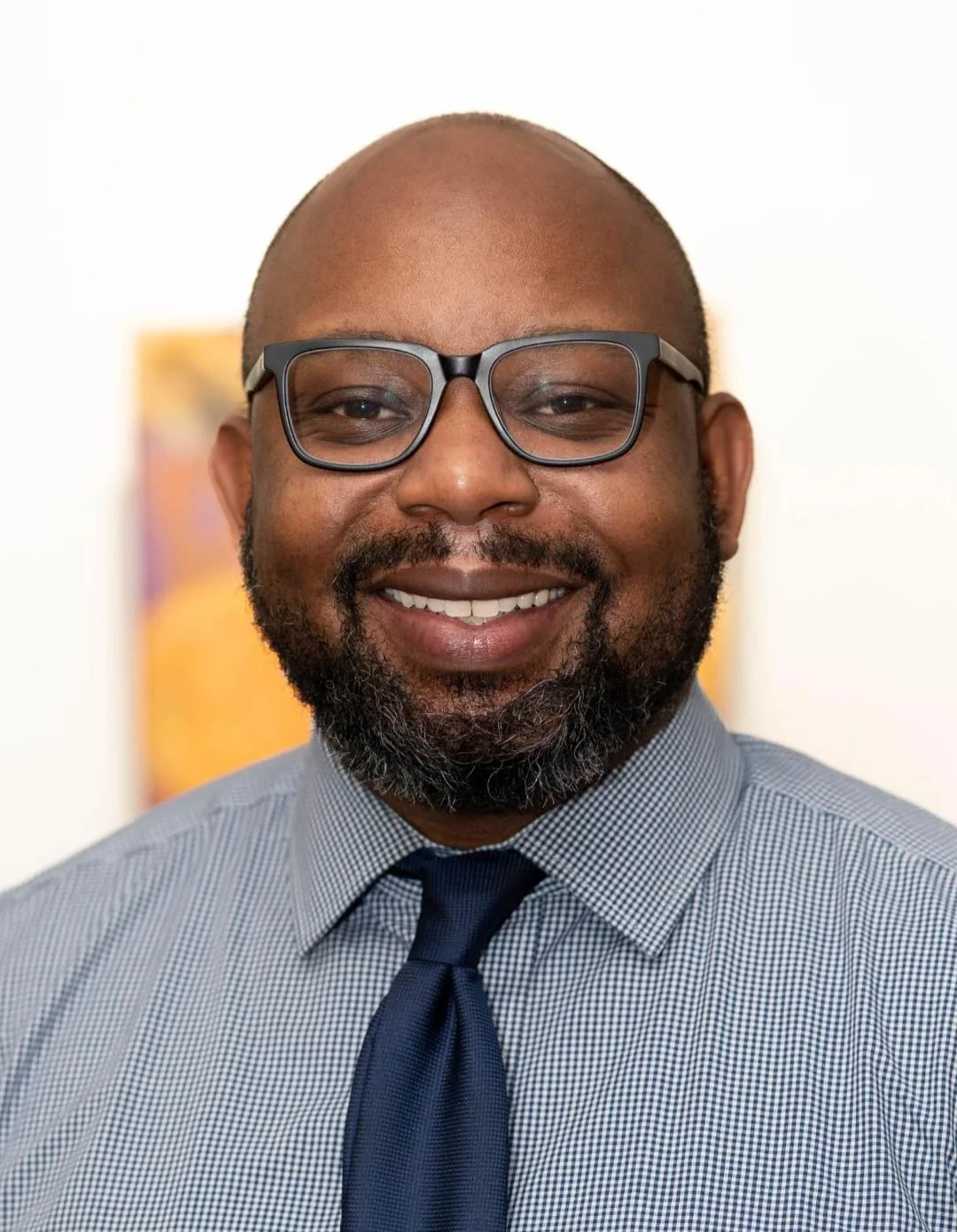

A workplace interaction resurfaced memories Marcus Barker hadn't thought about in years. He reflects on race, confidence, belonging, and why meaningful conversations about bias matter.
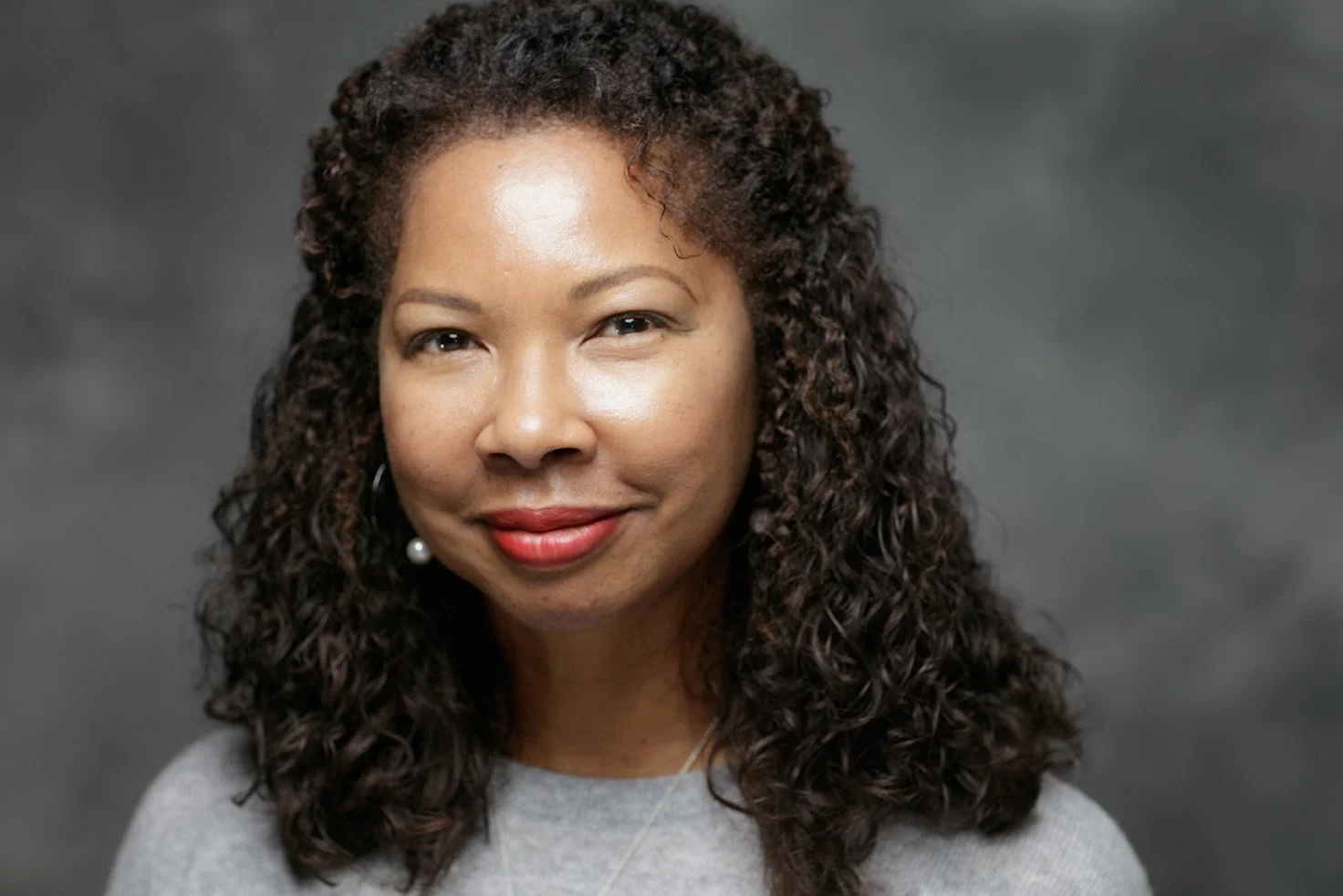
What does it mean to grow up Black in America? Belinda Harvey shares her story of resilience, family, activism, and hope.
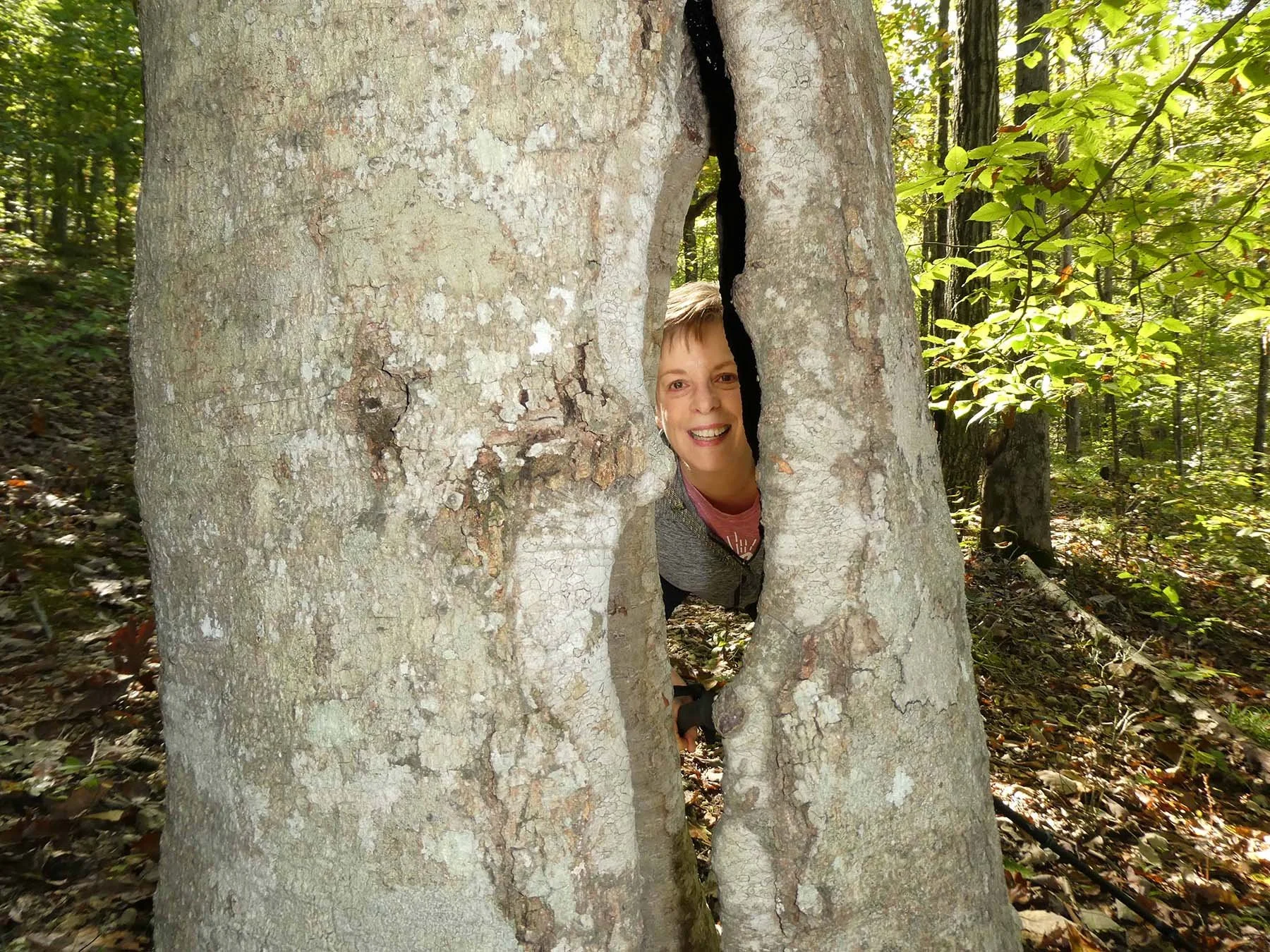
What happens when people feel truly heard? Susan Ruth shares lessons from hundreds of conversations about storytelling, curiosity, creativity, and human connection.
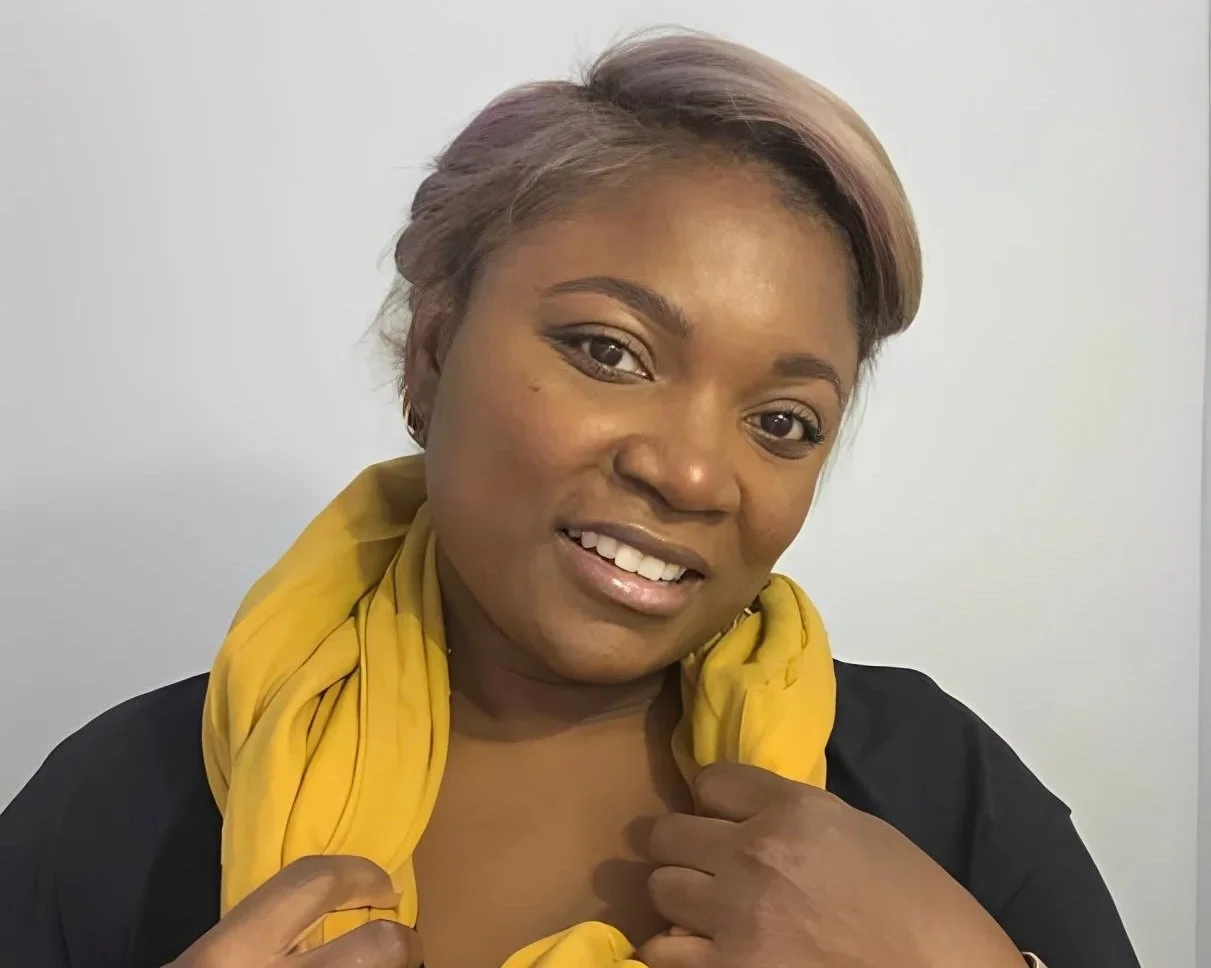
After the Ferguson protests, Coco Kennell turned natural soap making into a form of healing, self-care, and community conversation. She shares how skincare, racial healing, sustainability, and self-acceptance became unexpectedly connected.
Former police officer Peggy Kingsbury shares how growing up white in the Jim Crow South shaped her understanding of systemic racism in America. We talk about implicit bias, foster care, privilege, criminal justice reform, and the lifelong process of becoming anti-racist.
Kia Jarmon discusses Black philanthropy, the racial wealth gap, collective trauma, systemic inequality, and why healing requires truth, discomfort, and rebellious joy.
Disconnection doesn’t always look obvious. Sometimes it shows up as tension, reactivity, or ignoring what your body is trying to say.
Renee Watkins breaks down how that happens and what it means to reconnect in a way that actually holds up in real life.
Social justice movements aren’t separate from everyday life. They’re shaped by it. Timothy Hughes explores how history, empathy, and daily choices influence real change and what it actually means to show up.
After losing her daughter DeEbony Groves in the 2018 Waffle House shooting, Shirl Baker turned unimaginable grief into purpose. In this moving conversation, she shares how faith, community, and the DeEbony Groves Foundation are bringing healing to grieving mothers across the U.S.